
The Indonesian National Ship Owners Association (INSA) assesses that the solution to the problem of container shortage is difficult to predict because the world’s main ports are still undergoing rotational lockdowns. This is the impact of the ongoing Covid-19 pandemic.
The lockdown in the world’s major ports, causing chaos on the shipping schedule which in the end, in the difficulty of getting a space. However, international operators (Main Line Operators/MLOs) are making efforts regarding the provision of new vessels and containers. It can meet the demand gradually.
Reporting from Bisnis.com, with some existing projections, Carmelita said that at the end of the Q1/2022, the level of freight will start to return to normal, not only due to an increase in supply (tonnage and containers) but also the most basic thing is the impact of the pandemic will begin to decrease along with the increasing number of vaccinations not only in Indonesia but also globally.
“We are suffering the same as other countries in the world, especially ASEAN countries, which are experiencing container shortage and the increase in freight rates which has reached 300 percent on average. The increase in transportation costs is very hard for Micro-SME exporters. Because it is not balanced with the selling price,” he explained, Tuesday (8/24/2021) as reported by Bisnis.com.
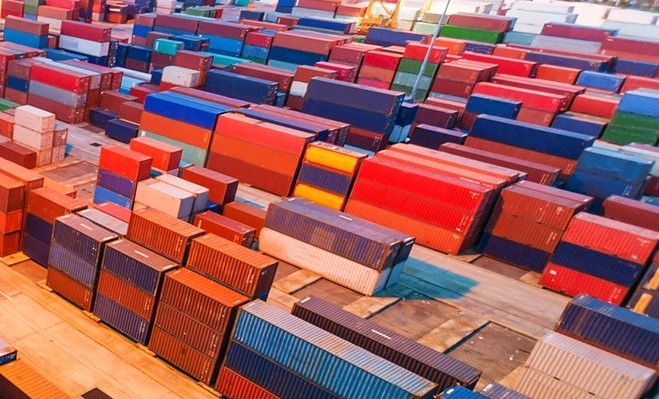
This shortage of containers certainly burdens exporters who use 40-feet containers. On the other hand, imports use 20-foot containers, causing an imbalance in their utilization.
“How long is this? When there is a balance of supply and demand. When is it? Hard to predict. It is as difficult as predicting the end of the Covid-19 pandemic,” said Carmelita as reported by Bisnis.com.
“This is still happening because the pandemic is still not over. In fact, following the growth in the flow of goods, MLO or international shipping operators have begun to purchase orders for new ships and new containers. However, procurement cannot be instant. Shipyards in China (currently the cheapest), are also busy receiving orders. Likewise with the manufacture of containers,” he explained.