
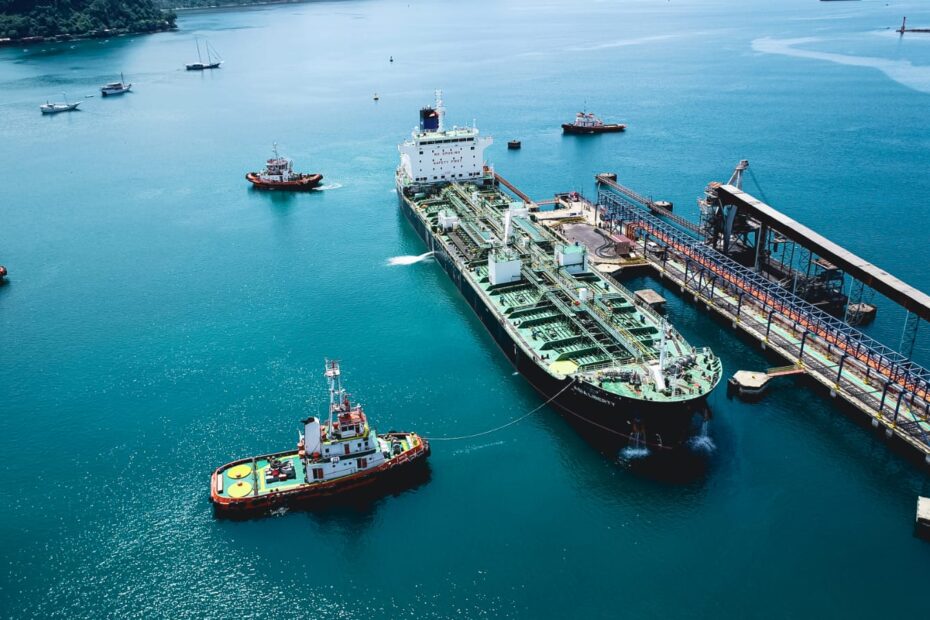
PT Pelabuhan Tanjung Priok (PTP) Nonpetikemas is setting the bar for both operational efficiency and sustainability at Teluk Bayur Port, the Indonesia’s second-largest gateway for CPO exports. With its continued focus on innovation, green technology, and collaboration, the port is well-positioned to support the growth of the national logistics network while minimizing its environmental impact.
With a focus on becoming a “green port,” PTP Teluk Bayur is integrating cutting-edge environmentally friendly technologies and adhering to international standards such as ISO 14001 and ESG (Environment, Social & Governance). These efforts aim to ensure a safe, sustainable operating environment while maintaining world-class service standards.
Green Initiatives for Sustainability and Efficiency
To achieve its sustainability goals, PTP Teluk Bayur has implemented a range of eco-friendly initiatives, including the development of green infrastructure, the use of renewable energy sources, and improvements to waste management systems. The port has also focused on energy efficiency, including the electrification of key operational equipment such as cranes and electric vehicles, as well as reducing emissions in collaboration with local communities and business partners.
Fauzi, Branch Manager of PTP Teluk Bayur, emphasized the importance of these green technologies: “One of the major steps we’ve taken is the electrification of our operational equipment, including Gantry Jib Cranes. This has reduced fuel consumption by up to 25%, lowering operational costs and minimizing both noise pollution and air emissions.”
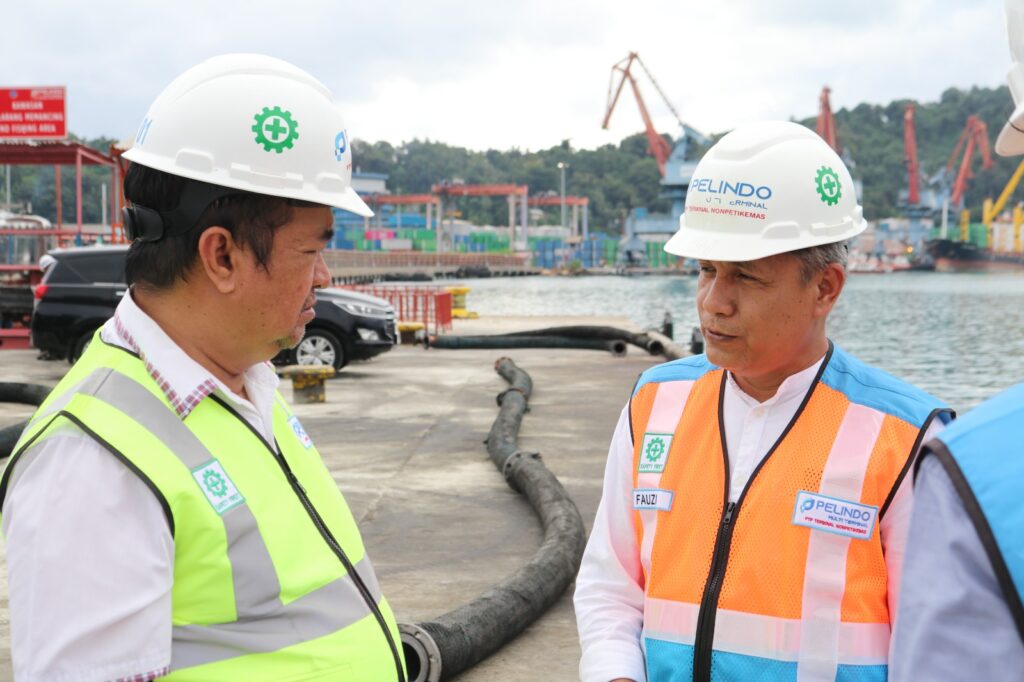
Photo: PTP Nonpetikemas President Director Indra Hidayat Sani (L) and Fauzi, Branch Manager of PTP Teluk Bayur
Additionally, the port has introduced oil booms to safeguard against spills during liquid bulk loading and unloading, further protecting the environment and enhancing the confidence of service users.
Innovation for Enhancing Productivity
In parallel with its sustainability efforts, PTP Teluk Bayur has made significant strides in improving productivity, particularly in the handling of crude palm oil (CPO), a key export commodity. With a handling capacity of 3.2 million tons per year, the port is the second-largest CPO export gateway in Indonesia, following Dumai. PTP Teluk Bayur also exports other commodities, including shells and oil cake, to markets in Korea, Japan, and New Zealand.
A major contributor to the port’s improved operational efficiency is the adoption of the Pelindo Terminal Operating System Multipurpose (PTOS-M). This integrated, non-container port operating system has streamlined loading and unloading activities, significantly boosting service speed and operational efficiency.
Increased Efficiency, Reduced Port Stay
By focusing on operational improvements, PTP Teluk Bayur has made notable gains in productivity. In the third quarter of 2024, the port reported a 30% increase in its Ton/Ship/Day (T/S/D) rate for dry bulk commodities, from 1,999 to 2,604. This improvement has led to a 33% reduction in ship waiting time, dropping from an average of 3 days to just 2 days. The result is a significant boost to cost efficiency for service users.
Fauzi noted that reducing ship waiting times is a top priority: “By optimizing our operations and reducing bottlenecks, we’ve made it possible for ships to be serviced faster. This not only reduces logistics costs but accelerates the delivery of goods.”
Through the third quarter of 2024, PTP Teluk Bayur has seen strong throughput across multiple commodity categories. Key performance metrics include: General and bag cargo (489,000 tons/m³); Dry bulk (1.48 million tons0; and Liquid bulk (primarily CPO of 2.07 million tons
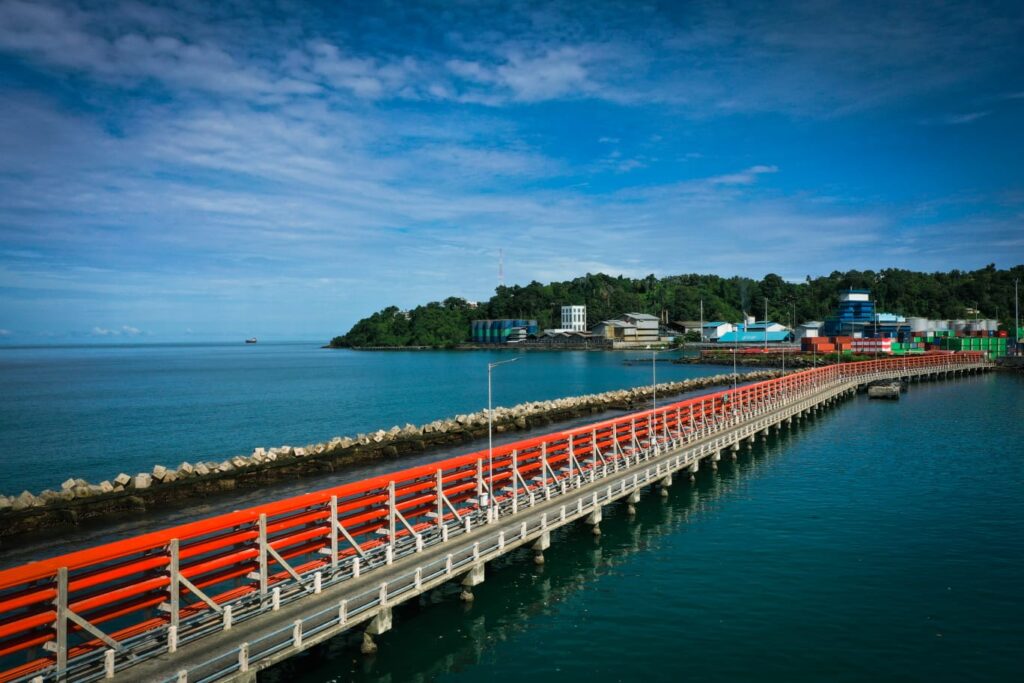
The port’s infrastructure includes a 917.3-meter-long dock and a 36,341 m² stacking yard, allowing it to handle a diverse range of cargo types, including liquid bulk (CPO and asphalt), dry bulk (coal, shells, cake, fertilizer, corn, soybeans, gypsum, copper slag), and bag cargo (cement and fertilizer).
Strengthening Regional Collaboration
The success of PTP Teluk Bayur as a regional economic hub is largely due to its strong partnerships with the government, local stakeholders, and business partners. Fauzi emphasized the importance of collaboration for driving growth and optimizing services:
“We are committed to working closely with the West Sumatra government, stevedoring companies, and cargo owners to create an optimal cooperation framework that benefits both the local community and national logistics.”
Fiona Sari Utami, Corporate Secretary of PTP Nonpetikemas, further emphasized the company’s dedication to transformation, saying: “Our focus is on improving operational efficiency and strengthening our competitiveness both nationally and internationally. By enhancing non-container stevedoring operations, we are supporting the growth of the supply chain and contributing to the regional economy.”