
Despite numerous infrastructure projects and massive developments in the energy sector through industry downstream, as well as the ongoing construction of the National Capital City (IKN), logistics businesses in the project cargo sector have not seen substantial growth in 2024.
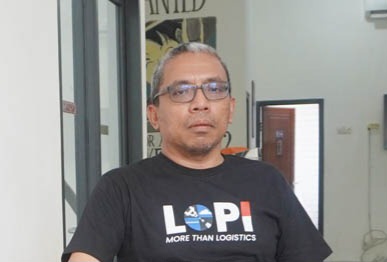
Wahyu Dwi Jatmiko, CEO of PT Logisticsplus International Tbk (IDX: LOPI), identifies two key factors that explain why these large-scale projects have not yet yielded significant benefits for logistics companies involved in project cargo.
Initially specializing in logistics solutions for specific cargo, particularly heavy equipment for projects, Logisticsplus rebranded as LOPI to broaden its service offerings. “We have extensive experiences in handling project cargo, one of our initial core businesses.”
After its public listing on the IDX in 2023, LOPI expanded beyond transportation services to include support for long-term customer success across various industries. The company now provides transportation services and customs brokerage (PPJK), primarily catering to B2B services for specialized cargo, including heavy lifting, ODOL (over-dimension, over-load) cargo, and supersensitive items, mainly in heavy industries.
LOPI handles large volumes of cargo across rail, land, sea, and air transportation, often employing multimodal solutions. Types of cargo managed include mining products (coal, sand, split stone, and nickel), raw materials, and crude oil, primarily transported domestically via dry bulk vessels, sea freight, and land transport.
He said, the first major issue is inadequate transportation infrastructure, particularly the inefficient transport system leading to mining centers. The second challenge is outdated payment terms for government projects, which continue to hamper profitability.
Indonesia’s mining sector, particularly coal and nickel, is vital to the economy. However, limited infrastructure—especially transportation access to mining centers—remains a significant obstacle.
The absence of reliable transportation networks makes the movement of heavy and oversized goods, which are often associated with project cargo, difficult. Without dependable infrastructure, transportation becomes slow, costly, and prone to damage, leading to higher production costs.
This issue is particularly pronounced in Southeast Sulawesi, where nickel mining centers face limited road access, frequent road damage, and insufficient sea and air transportation options. These challenges disrupt the movement of mining products and complicate project cargo operations.
Wahyu stresses that a lack of investment in roads connecting nickel mining centers with major cities and ports remains a major hurdle, leading to delays and increased operational costs.
“Our transportation infrastructure to mining centers relies heavily on land transport. However, most roads leading to these centers are poorly maintained, making it extremely difficult to move large project cargo,” Wahyu explained during a discussion with Indonesia Shipping Gazette.
Despite high demand for infrastructure development, Wahyu points out that the sector’s growth remains sluggish. The slow payment systems from the government to contractors and vendors worsen the situation, exacerbated by the persistent underdevelopment of transportation links to mining areas.
IKN Project’s Limited Impact on Logistics
The National Capital City (IKN) project in East Kalimantan, intended to relocate the nation’s capital, was expected to boost demand for logistics services, particularly in the project cargo sector. However, its impact has been less significant than anticipated. While the project has increased the volume of goods being transported, logistical challenges, such as slow payments, continue to hinder logistics companies.
“This grand project has attracted many companies, including logistics providers. However, logistics firms often face delays in payments, which affect the continuity of their operations,” Wahyu said.
As a result, many logistics companies are forced to secure additional funding or delay payments to suppliers to cover operational costs. This creates long-term financial strain, especially in an industry that relies heavily on large, government-funded projects.
Greater Challenges Ahead in 2025
Looking ahead to 2025, the outlook for the project cargo sector is more challenging. The government’s budget allocation for infrastructure projects has been reduced as part of efforts to improve fiscal efficiency. This budget cut is expected to limit the number of funded projects, directly impacting the demand for heavy cargo transportation services.
The reduced state budget could also slow the planning and execution of essential infrastructure projects, creating uncertainty for industry players. However, there is still hope that the government will improve payment systems and prioritize funding for critical projects.
Rail Transport: A Vital Infrastructure Solution
Wahyu also emphasizes the importance of rail transportation in supporting Indonesia’s mining sector. Given that many mining regions are located far from economic hubs, railways provide an efficient, safe, and environmentally friendly means of transporting mining products, such as coal and minerals, to ports and industrial centers.
Trains have large carrying capacities, making them more cost-effective than trucks. They also reduce wear on road infrastructure and ensure more reliable, on-time deliveries—essential factors for maintaining smooth mining operations.
“Rail transport is crucial for efficiently moving mining goods while ensuring timely deliveries, which is vital for keeping operations running smoothly in the mining industry,” Wahyu concluded.