
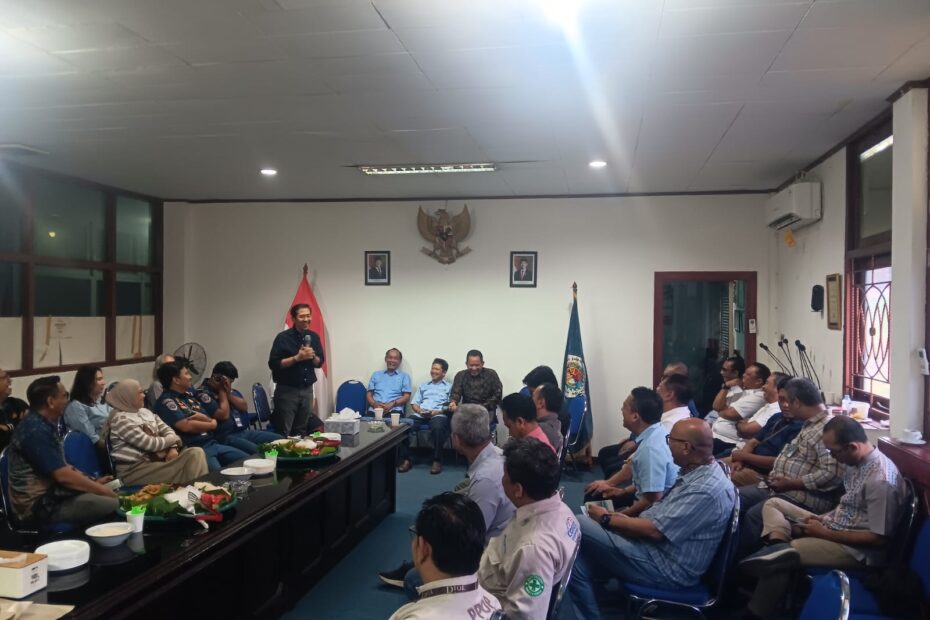
In a bid to strengthen collaboration and address persistent operational hurdles, stakeholders at Indonesia’s busiest port gathered Thursday morning for a discussion hosted by the Jakarta chapter of the Indonesian National Shipowners Association (INSA Jaya).
Held at the association’s secretariat, the forum—branded “Morning Chat with Tanjung Priok Port Partners”, brought together around 30 shipping companies and key port stakeholders including representatives from the Tanjung Priok Main Harbormaster and Port Authority Office (KSOP Utama), Pelindo Regional 2 Tanjung Priok, PT Jasa Armada Indonesia (IPCM), PPOP Jaya, PT ATS Nugratama, and financial institutions such as Bank BNI.
Against a backdrop of camaraderie and open dialogue, participants tackled several strategic and technical issues affecting day-to-day operations at the port. Topics ranged from ship waste management protocols to inconsistencies in the billing systems for ship services.
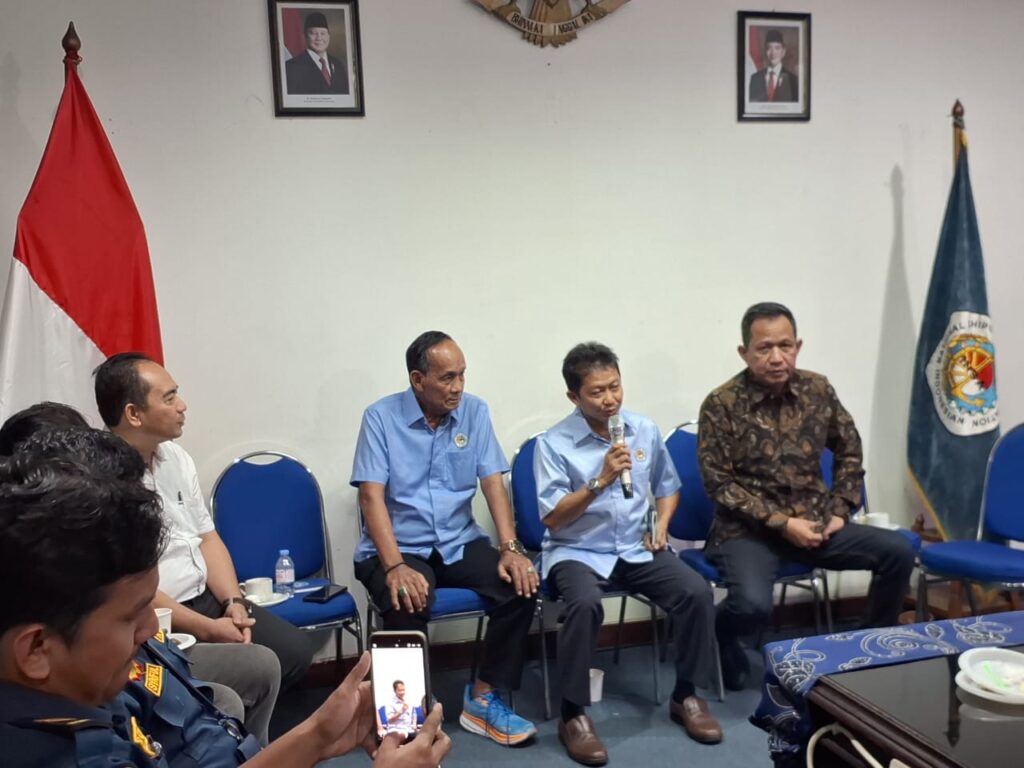
One focal point of the discussion was the ongoing confusion surrounding on-deck cargo loading procedures, a subject that has triggered growing concern among shipping agents over regulatory clarity and safety obligations.
“Permits for on-deck loading are not required if the cargo being loaded matches the vessel’s type and design function,” said Captain Budi Paros Vernandes Sitohang, Head of the Ship Seaworthiness Supervision Section at KSOP Utama. “However, if the cargo deviates from the ship’s intended purpose, then approval is mandatory.”
In such cases, authorities require a technical assessment of the ship’s structural capacity and cargo securing (lashing) arrangements. A supporting certificate from a recognized classification society must also be submitted before loading can proceed.
Captain Sitohang’s clarification was welcomed by many attendees, as shipowners have increasingly faced delays due to differing interpretations of the rule by operational staff.
INSA Jaya Chairman Andi S. Patonangi underscored the safety implications of the issue. “We must enforce strict discipline in on-deck cargo practices,” he said. “No cargo should be allowed on deck without clear compliance with ship specifications. The risk to vessel and crew safety is too great.”
Participants also revisited the port’s commitment to maintaining uninterrupted 24/7 services—a key promise for both domestic and international logistics chains. Concerns were raised about the responsiveness of support services during non-business hours and how procedural bottlenecks could be streamlined.
Moderated by INSA Jaya Secretary M. Erwin Y. Zubir, the event fostered open and constructive exchanges. Organizers said the forum is intended to become a recurring platform for enhancing dialogue and coordination between shipping companies, regulators, and port service providers.