
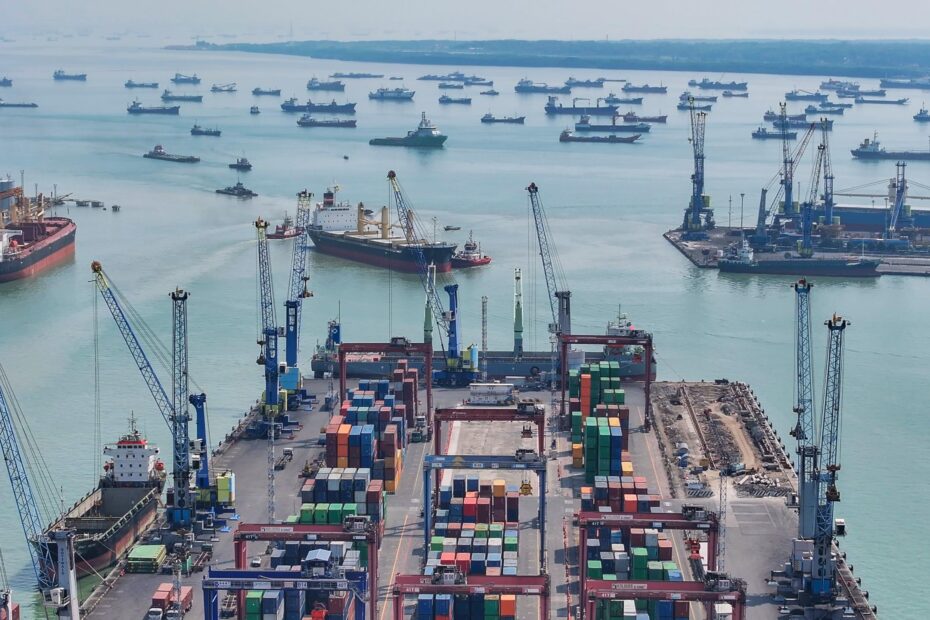
Indonesia’s PT Terminal Teluk Lamong (TTL), a subsidiary of state-owned port operator PT Pelindo Terminal Petikemas (SPTP), reported a 4% year-on-year increase in container throughput in July, buoyed by additional ad hoc vessel calls and the launch of a new international service.
TTL handled 521,451 twenty-foot equivalent units (TEUs) at its Teluk Lamong Container Terminal (TPK Lamong) as of July 2025, up from 501,578 TEUs in the same period a year earlier.
The uptick was largely driven by additional international container vessels operating ad hoc routes between Indonesia and China, alongside a new monthly international service introduced in July, the company said in a statement.
“This growth reflects growing confidence among service users in our capabilities as an international container gateway for East Java,” said Syaiful Anam, Corporate Secretary of TTL.
From January to July 2025, international container volumes at TPK Lamong rose 10% year-on-year to 187,515 TEUs, up from 170,396 TEUs in the same period in 2024. Domestic throughput remained steady, rising slightly to 333,937 TEUs from 331,182 TEUs.
TTL’s other terminals also posted strong gains. TPK Nilam recorded a 10% year-on-year increase in throughput, reaching 268,852 TEUs as of July 2025, while TPK Berlian, which TTL began operating on July 1, posted a 7% rise in container traffic that same month, from 110,322 TEUs to 117,966 TEUs.
The company’s performance mirrors broader economic momentum in East Java, where the regional economy grew by 5.23% in the second quarter of 2025, according to data from the Central Statistics Agency (BPS).
Alongside volume growth, TTL emphasized its commitment to operational safety and international compliance. The terminal operator has implemented safety and security measures aligned with the International Ship and Port Facility Security (ISPS) Code and Indonesia’s Occupational Health and Safety (OHS) standards.
Recent initiatives include improved road and pedestrian markings, enhanced emergency equipment, and mandatory screening for all personnel entering restricted terminal zones.
“The guarantee of safety and security in container terminal operations is one of our core advantages,” Anam said.
“Our partners can trust that their cargo will be handled professionally and that ship turnaround times will be efficient. With continued collaboration among stakeholders, we are optimistic about stronger performance in the second half of the year.”
TTL is part of Pelindo’s broader strategy to strengthen Indonesia’s port infrastructure and bolster its position as a regional maritime hub.