
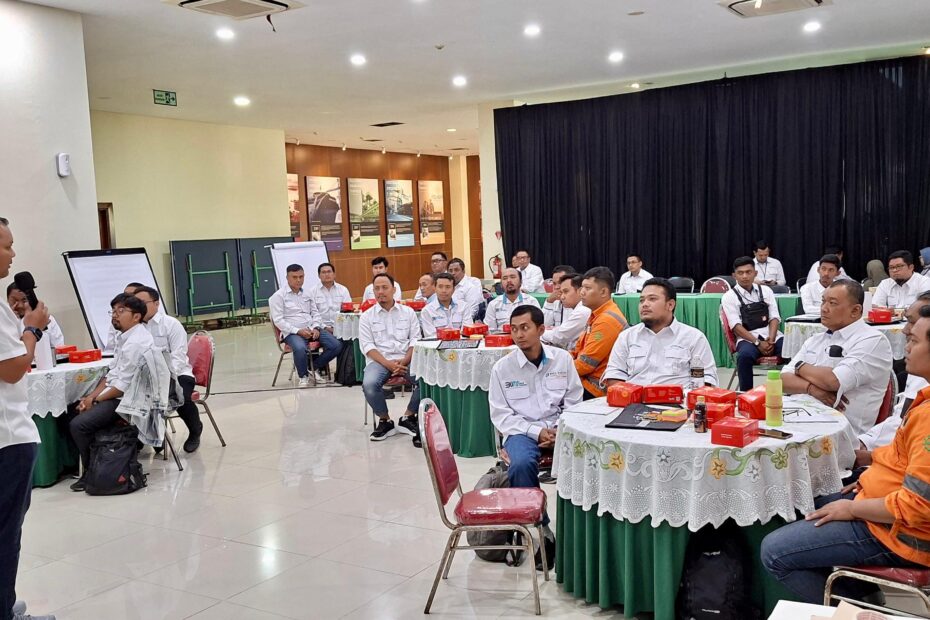
PT Terminal Teluk Lamong (TTL), a subsidiary of state-owned port operator PT Pelindo Terminal Petikemas SPTP, has launched a specialized Container Terminal Operation (CTO) training program aimed at strengthening human capital and sharpening operational excellence amid intensifying global competition in logistics.
Held from June 16 to 18 at TTL’s Surabaya headquarters, the program was conducted in collaboration with PT Pendidikan Maritim dan Logistik Indonesia (PMLI). The initiative is part of TTL’s broader strategy to raise service quality and align with international standards.
“The core business of a container terminal is service,” said Muhammad Syukur, TTL’s Director of Operations and Engineering. “This training is a strategic investment in building professional, reliable human resources that embody our corporate values and can support the terminal’s continued growth.”
The program combined theoretical modules with real-world case studies to equip participants with a deeper understanding of key industry components. Topics included the evolution of the shipping industry, containerization trends, terminal design and capacity planning, business process structuring, performance and safety metrics, and the deployment of advanced Terminal Operating Systems (TOS). Participants also examined revenue and cost management frameworks.
TTL is positioning the training as part of a long-term effort to nurture a learning-driven workplace culture and prepare its workforce for the rapid pace of innovation in maritime logistics.
Ady Sutrisno, Human Resources Director at PT Pelindo Terminal Petikemas SPTP, said the CTO training marks an essential step in TTL’s journey toward becoming a world-class container terminal.
“This program broadens our employees’ perspectives on emerging trends and technological advancements in the logistics industry,” Sutrisno said. “It lays the groundwork for Indonesia to grow into a key global logistics hub.”
TTL has underlined its belief that the future of terminal operations hinges on skilled, adaptable professionals. By prioritizing human capital development, the company aims to deliver services that are not only operationally efficient but also competitive on a global scale.