
Indonesia is among the countries impacted by the new import tariff policy set by US President Donald Trump. A 32% tariff has been imposed on goods from Indonesia as part of the United States’ efforts to address trade imbalances. This policy primarily targets countries with significant trade surpluses with the US.
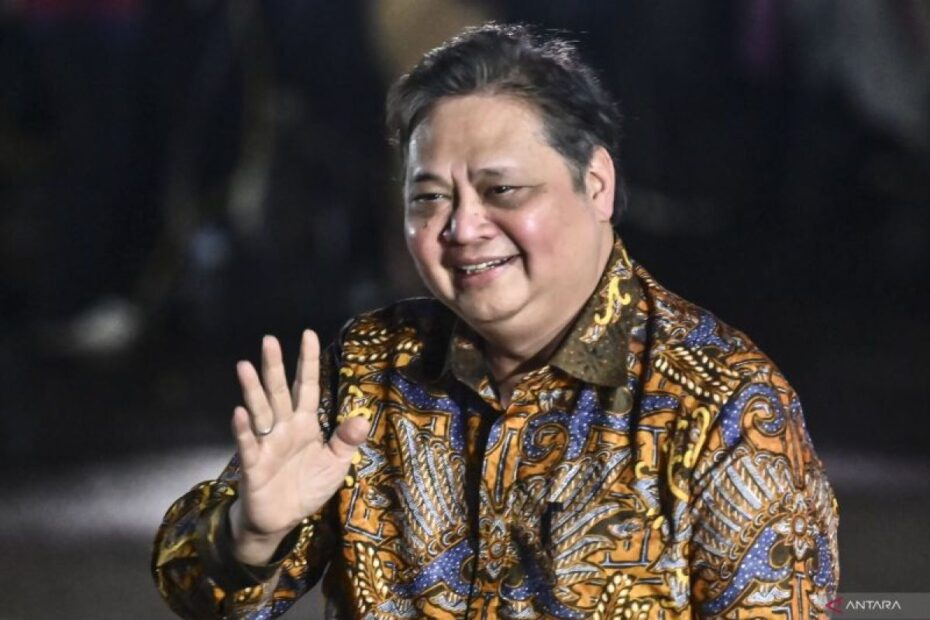
Coordinating Minister for the Economy, Airlangga Hartarto, highlighted several of Indonesia’s key exports to the US, including electronics, textiles and textile products, footwear, palm oil, rubber, furniture, shrimp, and marine fishery products.
He warned that the new tariff policy could significantly affect the competitiveness of Indonesian exports in the US market.
“The imposition of these US reciprocal tariffs will undoubtedly impact the competitiveness of Indonesian exports to the US,” said Airlangga in a statement posted on his Instagram account @airlanggahartarto_official on Friday, April 4, 2025.
According to data from the Central Statistics Agency (BPS), the US is one of Indonesia’s largest trade surplus partners. In February 2025, Indonesia recorded a trade surplus of USD 1.57 billion with the US.
The main contributors to this surplus were electrical machinery and its parts (HS 85), which accounted for USD 291.1 million, followed by clothing and other knitted accessories (HS 61) with USD 215 million, and footwear (HS 64) with USD 207.7 million.
Airlangga further explained that the Indonesian government held an online coordination meeting on April 3 to assess the potential impact of the US tariffs on these sectors. He assured that the government would take immediate steps to calculate and mitigate the negative effects on Indonesia’s economy.
In addition, the government plans to engage in negotiations with the US. Cross-ministerial teams, Indonesian representatives in the US, and national business leaders have already coordinated efforts to address President Trump’s policy.
“We are preparing a range of measures to address the concerns raised by the US government, particularly those outlined in the 2025 National Trade Estimate (NTE) report published by the US Trade Representative,” Airlangga said.
He also emphasized that the government remains committed to maintaining the stability of Government Securities (SBN) in light of the volatility in global financial markets following the US tariff announcement.
“Alongside Bank Indonesia, the Indonesian government is focused on stabilizing the Rupiah exchange rate and ensuring adequate foreign exchange liquidity to support business needs and maintain overall economic stability,” he added.