
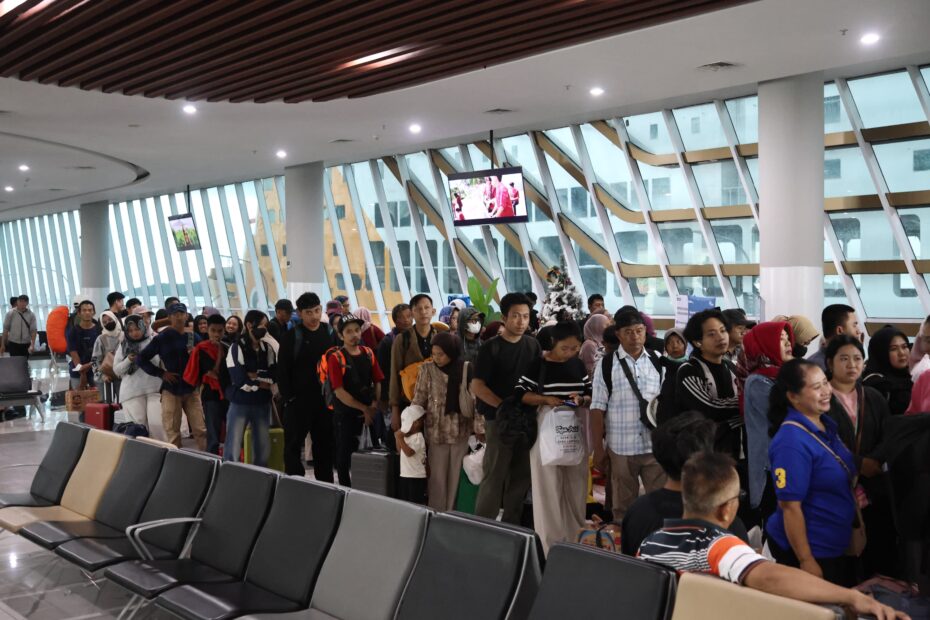
The annual Eid al-Fitr homecoming, or mudik, is more than a journey; it is a national pulse, bringing together millions of travelers across Indonesia. This year’s surge returned with notable intensity, yet authorities say it remains manageable through careful planning, system readiness, and cross-sector coordination.
Ferry services have played a critical role in this movement. Transport Minister Dudy Purwagandhi reported that PT ASDP Indonesia Ferry (Persero) transported 5.52 million passengers this year, a 15.3% increase compared to 2025. Vehicle traffic also rose, with 1.22 million vehicles recorded across key routes, an 8% increase from last year.
“These numbers show that operational planning, fleet optimization, and digital tools are effectively supporting national mobility,” said ASDP President Director Heru Widodo.
“Passenger flows remain smooth, and traffic is increasingly well-distributed, even during peak periods of departure and return,” he said further.
Fifteen nationally monitored routes form the backbone of the system, including Merak-Bakauheni, Ketapang-Gilimanuk, Padangbai-Sheet, Kayangan-Pototano, and Tanjung Api-Api-Tanjung Kalian. From eight days before departure to March 30, 2026, total passengers on these routes reached 4,722,213, a 6.6% increase over last year’s 4,430,006. Total vehicles recorded were 1,215,273, up from 1,125,178 in the same period in 2025.
Operational strategies included adjusting ship schedules to daily demand, implementing an Arrival-Unloading-Departure (TBB) scheme, and creating buffer zones to manage vehicle flow. The company also leveraged Ferizy digital ticketing and introduced fare discounts and unified fares to distribute passenger demand more evenly.
The lifting of restrictions on logistics vehicles with three axles and above—applied under Joint Decrees issued February 5, 2026, led to a surge of trucks at Merak-Bakauheni and Ketapang-Gilimanuk. Queues extended 3–10 kilometers, but ASDP said the situation was contained through adaptive fleet deployment and traffic management.
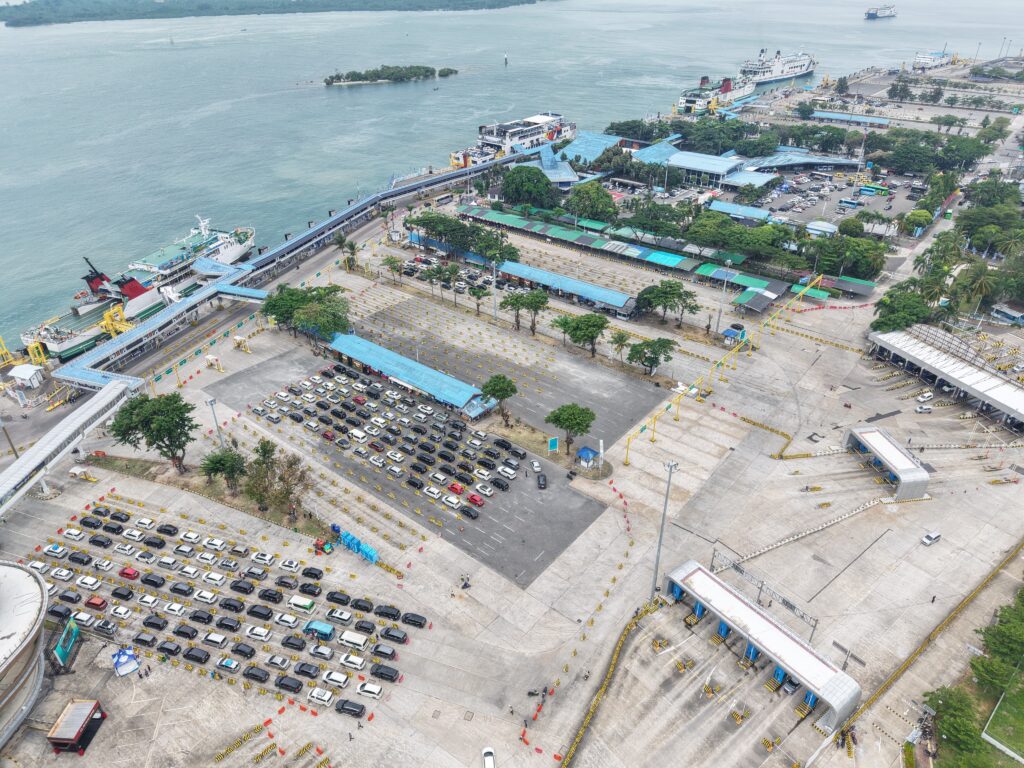
Passenger returns from Sumatra to Java closely mirrored departures. From March 22 to March 30, a total of 814,821 passengers returned, representing 99% of the outbound flow. Vehicles returning numbered 218,822, effectively matching the outbound traffic.
Minister Dudy highlighted the collaborative nature of this year’s operation: “The success of Eid transportation reflects intensive coordination between ministries, local governments, transport operators, and other stakeholders. This teamwork is essential to ensure safe, secure, and smooth travel during both homecoming and return journeys.”
Heru echoed the sentiment, thanking the full spectrum of collaborators, including the Indonesian National Police, Armed Forces, state-owned transport companies, ferry associations, and travelers themselves. He emphasized that early trip planning and use of digital ticketing contributed significantly to the smooth operation of services.
“With thorough operational readiness and strong cross-sector collaboration, ASDP remains committed to providing reliable, safe, and comfortable ferry services for all Indonesians,” Heru said.