
Around 80% of Indonesia’s crude palm oil (CPO) logistics activities are handled through Terminals for Private Use (TUKS) and Special Terminals (Tersus), while the remaining 20% flows through public ports operated by state-owned PT Pelabuhan Indonesia (Pelindo), an industry association official said on Wednesday.
Menumpak Manurung, head of the trade division at the Indonesian Palm Oil Association GAPKI, said the reliance on TUKS and Tersus reflects structural constraints in the country’s palm oil supply chain, particularly infrastructure limitations and the geographic spread of production areas.
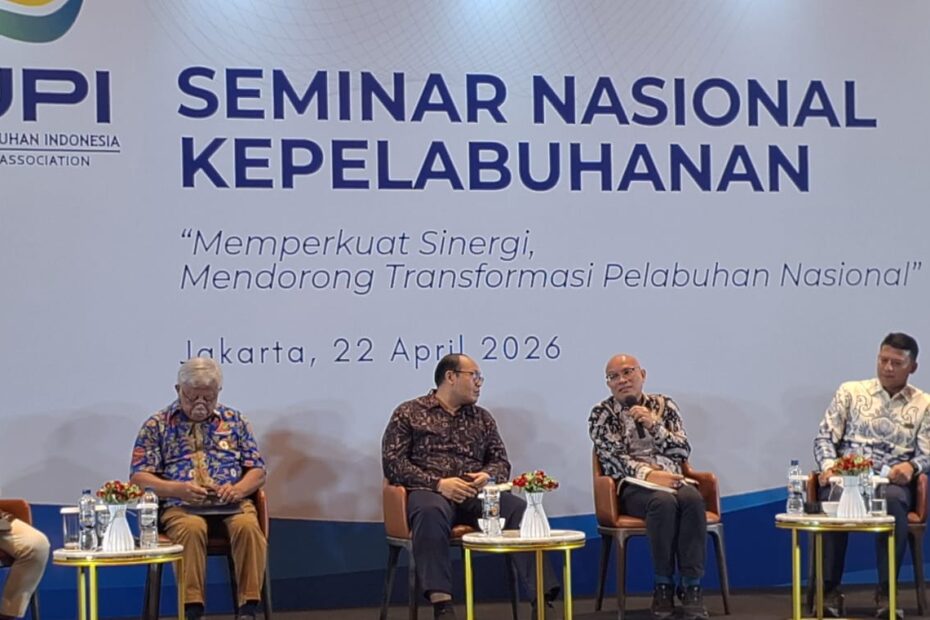
Speaking at a national port seminar in Jakarta, he said industry players have urged the government to issue clearer policy direction for the palm oil sector, warning that gaps in planning could disrupt logistics flows, including supply for the domestic biodiesel programme.
“The palm oil industry is characterized by large logistics and labour-intensive production, while domestic consumption is concentrated in Java and Bali, which lack palm oil production,” Menumpak said.
He added that producers continue to face challenges including limited infrastructure in producing regions—mainly in Sumatra and Kalimantan—and quality constraints due to the perishability of fresh fruit bunches and CPO.
Menumpak also called for stronger government uptake of biodiesel through state energy firm PT Pertamina, noting that lower palm oil prices relative to fossil fuels make greater absorption increasingly relevant.
Indonesia’s palm oil sector continued to expand in 2025, with CPO production rising 7.2% to 51.66 million metric tons from 48.16 million tons a year earlier, he said. Domestic consumption grew 3.8% to 24.76 million tons, while exports increased 9.5% to 32.34 million tons.
Over the past five years, domestic consumption has grown at an average annual rate of more than 3%, he added.
Indonesia’s palm oil exports are primarily shipped to India, China, the European Union, the United States, Africa, and Pakistan.
Citing 2025 data from the Indonesian Palm Oil Association, Menumpak said about 317 special and private terminals are used by producers nationwide. More than 80% of shipments pass through non-public ports, while the rest are handled via public ports.
He added that special terminals account for 53% of export destination port usage, with the remainder routed through public ports or other port operators. Most shipments are made in bulk.