
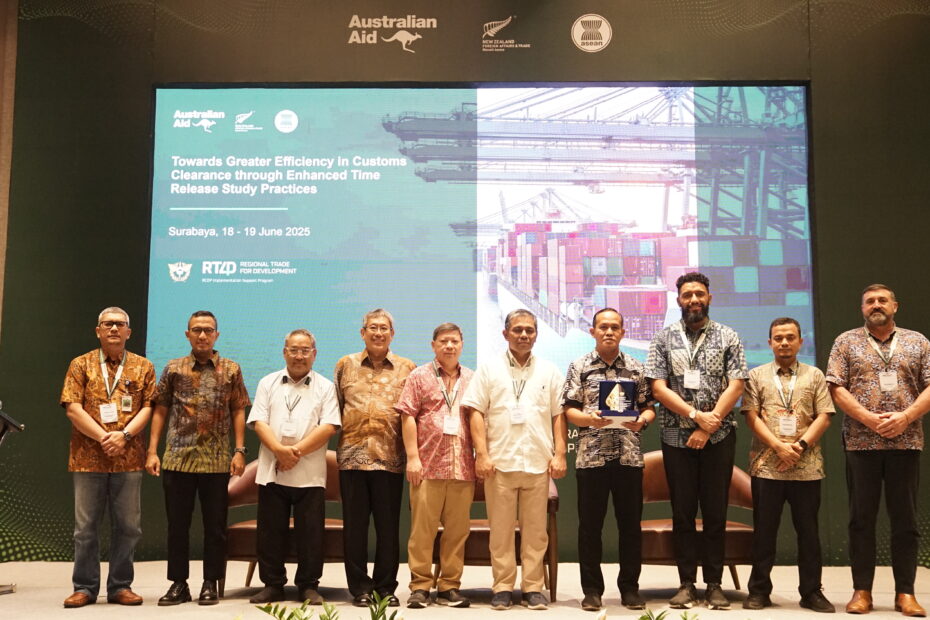
Customs officials from across Southeast Asia gathered in Surabaya last week to deepen regional cooperation and address persistent bottlenecks in cross-border logistics. On the sideline of their workshop, participants visited the Container Terminal Surabaya (TPS), one of Indonesia’s busiest container terminals and a critical node in regional trade.
The two-day Regional Workshop on Time Release Study (TRS), held June 18–19, highlighted the importance of using data-driven methods to evaluate customs procedures and unlock delays in trade flows.
Organized by Indonesia’s Directorate General of Customs and Excise (DJBC), in collaboration with the ASEAN-Australia-New Zealand Free Trade Agreement (AANZFTA) and the World Customs Organization (WCO), the workshop brought together customs authorities from ASEAN member states under the theme: “Enhancing Cross-Border Cooperation and Efficient Trade Facilitation through Time Release Study.”
At the heart of the discussions was the Time Release Study, a methodology for measuring how long it takes for goods to move from port arrival to customs clearance, a crucial diagnostic tool in identifying inefficiencies at borders.
“In today’s globalized trade environment, improving border efficiency is no longer optional, it’s essential,” said Susila Brata, Technical Director at Indonesia’s Directorate General of Customs. “TRS helps us pinpoint specific bottlenecks and harmonize customs procedures across countries.”
From Data to Action
A key outcome of the workshop was the push for Coordinated Border Management (CBM), an approach that emphasizes collaboration among port authorities, customs offices, quarantine services, and other border-related agencies. Officials said such coordination is vital for reducing friction in cross-border logistics and ensuring seamless trade facilitation.
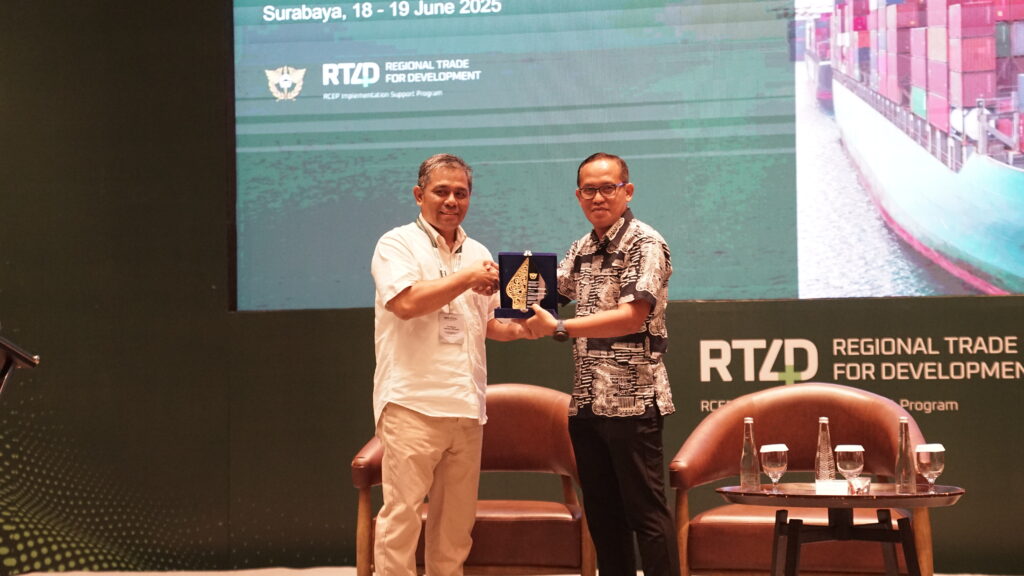
“This is not just about cutting red tape. It’s about designing a border ecosystem where institutions work together, not in isolation,” said a senior official from Thailand Customs, who attended the event.
The workshop also underscored the importance of aligning CBM with the National Logistics Ecosystem (NLE), Indonesia’s flagship initiative aimed at integrating logistics systems, improving transparency, and reducing costs across the supply chain.
TPS Visit: Showcasing Indonesia’s Digital Transformation
As part of the workshop, participants visited the Surabaya Container Terminal (TPS), one of Indonesia’s busiest ports and a critical node in regional trade. The site visit, led by Tanjung Perak Customs Chief Dwijanto Wahjudi, showcased Indonesia’s digital transformation efforts at its major seaports.
TPS, a subsidiary of Subholding Pelindo Terminal Petikemas (SPTP), under state-owned port operator Pelindo, has taken bold steps in recent years to modernize its operations.
“We are continually investing in digital platforms and standardized procedures to streamline operations,” said TPS Corporate Secretary Erika A. Palupi. “Our goal is to accelerate the cargo clearance process and reduce end-to-end logistics costs.”
Among the innovations highlighted were:
- Integration between TPS port systems and customs platforms for real-time clearance.
- Use of digital dashboards to connect all supply chain stakeholders.
- Cargo scanning using X-ray and HicoScan technologies to enhance security without slowing down operations.
TPS has also embraced the Single Window concept, allowing for electronic, paperless, and real-time documentation across agencies, an initiative that has shortened port dwell times and improved transparency.
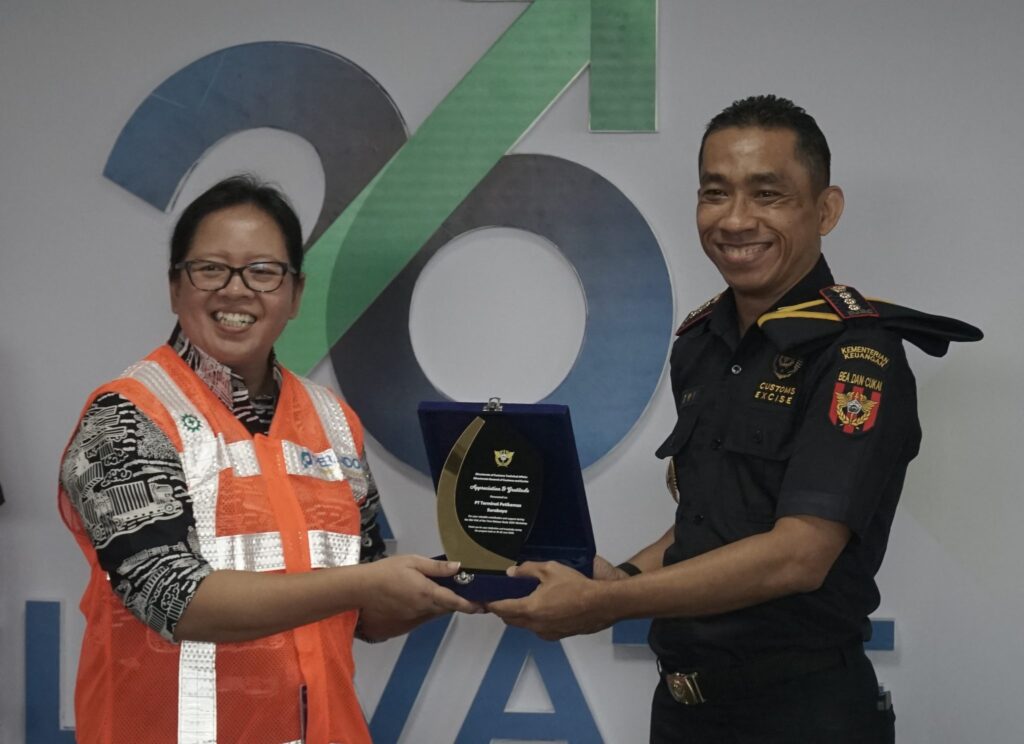
“We’re not just enhancing efficiency, we’re making Indonesian ports more competitive globally,” Palupi added.
TPS manages both international and domestic terminal operations. In 2024, the terminal handled 1.58 million twenty-foot equivalent units (TEUs), while in the first five months of 2025 alone, it processed 632,567 TEUs, signaling steady growth despite regional trade headwinds.
Officials hope the lessons and strategies shared during the workshop will help ASEAN nations build more connected, responsive logistics frameworks, ultimately boosting trade competitiveness across the region.
As regional supply chains grow more intertwined, the workshop closed with a consensus: only through closer cooperation and smarter systems can Southeast Asia realize its potential as a unified logistics and trade powerhouse.