
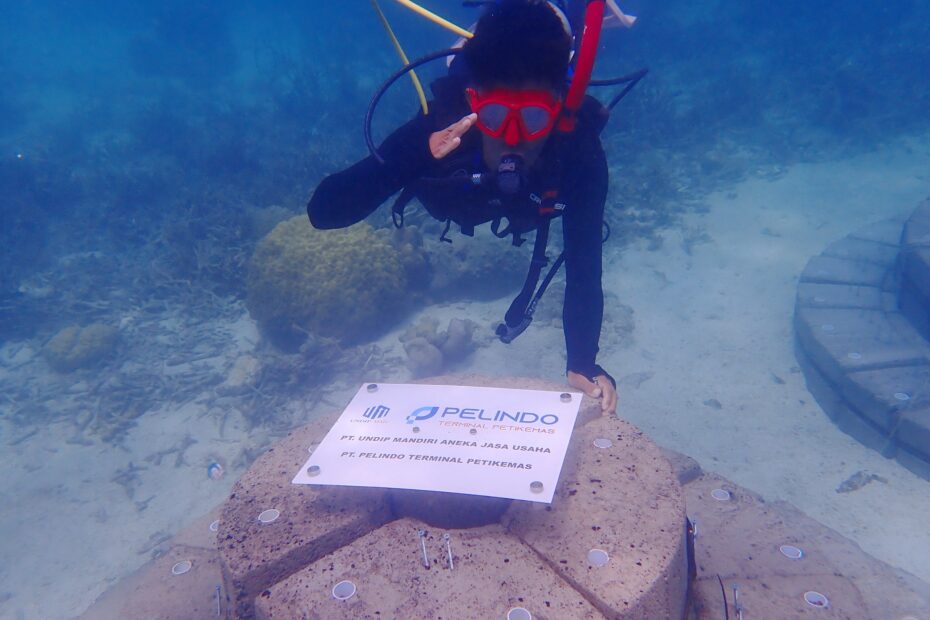
PT Pelindo Terminal Petikemas has deployed artificial reef technology in Indonesia’s Karimunjawa islands as part of a corporate social responsibility programme aimed at restoring coral ecosystems and supporting sustainable marine tourism, the company said.
Working with Diponegoro University, Pelindo Terminal Petikemas installed four Artificial Patch Reef (APR) units in Central Java waters, each capable of supporting around 600 coral colonies. The reefs were handed over to the local “Omah Karang” fishing group and are expected to accelerate coral recovery while serving as an eco-friendly attraction for tourists.
The installation was inaugurated on Dec. 10 in Nyamplungan hamlet, Karimunjawa village, with representatives from local fishing communities, village and sub-district authorities, and the Karimunjawa National Park Office in attendance.
Pelindo Terminal Petikemas Corporate Secretary Widyaswendra said the initiative was designed to deliver both environmental and economic benefits for coastal communities.
“We hope this technology can help strengthen the local economy while encouraging community participation in sustainable tourism activities in Karimunjawa,” he said.
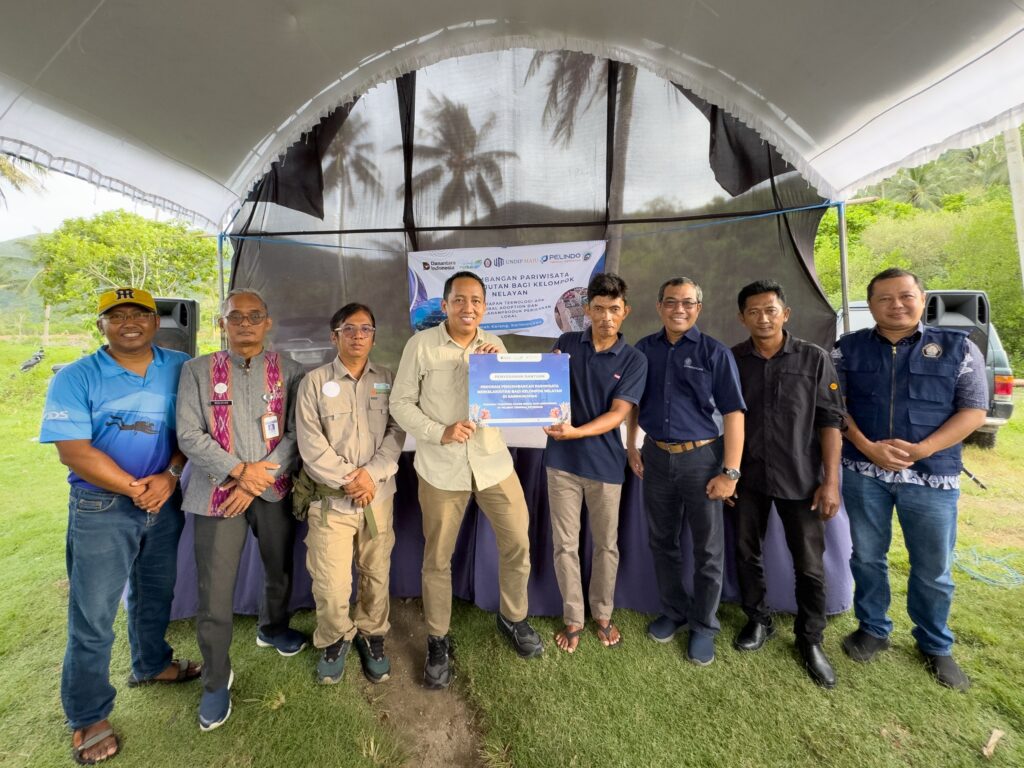
The Omah Karang fishing group has previously operated coral adoption tourism using conventional methods. The introduction of APR technology allows coral adoption and transplantation to be carried out in a more structured and measurable way, while reducing the risk of damage to natural reefs.
Beyond reef restoration, Pelindo Terminal Petikemas also provided support for community businesses, donating 10 sets of skin-diving equipment and a vacuum sealer to improve the packaging of processed anchovies. Traditional fishing activities, including anchovy harvesting, are being developed into value-added products marketed as local Karimunjawa souvenirs.
Widyaswendra said the programme reflects the company’s broader commitment to long-term social and environmental sustainability.
“Our CSR initiatives are not limited to ecosystem conservation. They also aim to build economic independence for coastal communities. Collaboration with academics and local residents is essential to ensuring lasting impact,” he said.
Coral adoption tourism has gained popularity in recent years, particularly among younger travellers, as it combines recreation with environmental education. Visitors are invited to participate directly in coral restoration while exploring Karimunjawa’s marine biodiversity.
Prof. Munasik, the inventor of APR technology from Diponegoro University’s Blue Economy Research Center, said the system helps standardise coral adoption tourism in conservation areas.
“APR enables the availability of well-managed coral stock and supports coral transplantation activities that are aligned with conservation principles in protected waters,” he said.
The programme also focuses on capacity building for local residents. Fishermen are receiving scuba diving training and certification, from Open Water Diver to Rescue Diver levels, as well as training in coral adoption management. Women in Nyamplungan hamlet are being trained in fishery product processing by Diponegoro University’s Faculty of Fisheries and Marine Sciences.
Pelindo Terminal Petikemas said it hopes the initiative will help Karimunjawa strengthen its position as a leading marine tourism destination while balancing environmental protection, community empowerment and local economic growth.