

The Indonesian Port Business Association (ABUPI) is in the process of preparing a comprehensive White Paper that will serve as a strategic guide for the future development and management of ports across the nation. This initiative is especially important as Indonesia moves toward its ambitious Indonesia Emas 2045 vision, aiming to establish the country as a major global economic powerhouse by its centennial year.
The White Paper aims to address several key issues and challenges facing Indonesia’s port sector. It will focus on five critical areas: The Role of Ports in Indonesia Emas 2045; Challenges in Port Management; Strategic Port Management for Indonesia Emas; Policy Recommendations for the Government; and The Vision for Future Ports in Indonesia.
According to ABUPI’s Deputy Chairperson for Regulation, Ariyanto Purboyo, the motivation behind compiling this White Paper stems from the growing challenges faced by Indonesian ports in the face of global competition.
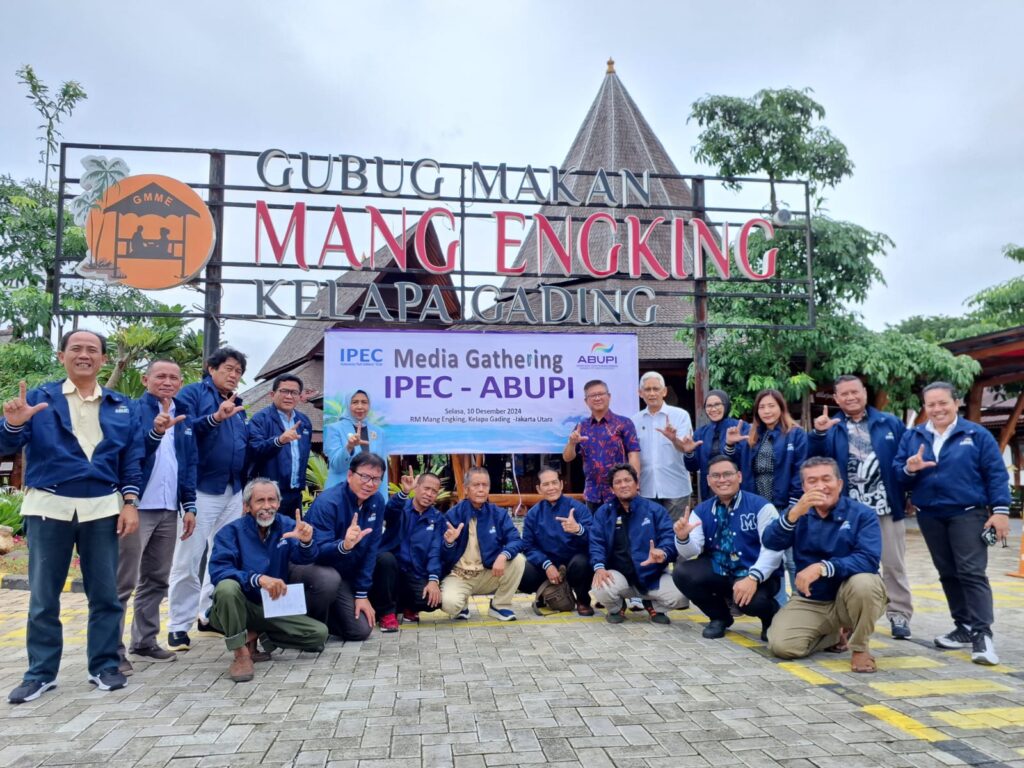
“In order to remain competitive, ports must be efficient, modernized, and equipped to handle the future demands of global trade,” he remarked during the IPEC (Indonesia Port Editors’ Club) Media Gathering in Jakarta on December 10, 2024.
Ariyanto also emphasized the importance of modernization, with a focus on transforming Indonesian ports into green ports. This involves adopting sustainable practices and technologies that minimize environmental impact while increasing operational efficiency.
ABUPI Secretary General Liana Trisnawati confirms that the formulation of the White Paper would be a central agenda item during the upcoming ABUPI 2nd National Conference (Munas) on February 20, 2025.
“Alongside electing new leadership for the 2025-2030 period, the White Paper will play a pivotal role in shaping our future strategies and recommendations for port development,” Liana stated.
ABUPI, as a forum for Indonesian entrepreneurs in the port sector, represents various entities involved in port services, including general ports, container terminals, special terminals (Tersus), and Terminals for Self-Interest (TUKS). The association supports both the government’s economic development goals in the maritime sector and its members’ business activities by offering consultation services, education, and training.
The ports managed by ABUPI members are notably diverse, from container terminals and multipurpose ports to floating ports (known as STS, or ship-to-ship terminals). Ariyanto highlighted that ABUPI-managed ports are more varied compared to those operated by state-owned enterprises (BUMN), offering a wide range of services critical for Indonesia’s growing logistics infrastructure.
Preparing for the 2nd National Conference
ABUPI’s 2nd National Conference (Munas), scheduled for February 20, 2025, will not only focus on leadership elections but also on setting the strategic direction for the next five years. The conference will foster a constructive dialogue between members, the government, and other stakeholders, aiming to strengthen collaboration and improve the efficiency and competitiveness of Indonesian ports on the global stage.
In the lead-up to the National Conference, ABUPI will hold a Pre-National Conference on February 6, 2024, to address pressing issues and formulate strategic policies. These discussions will inform the White Paper, ensuring that it remains relevant to current challenges and the long-term goals of Indonesia Emas 2045.
The White Paper and National Conference represent a significant step toward shaping the future of Indonesia’s ports, positioning them as efficient, competitive, and sustainable hubs. ABUPI’s efforts to modernize port management, adopt green practices, and enhance global competitiveness will be crucial in supporting Indonesia’s economic growth and ensuring that its ports can meet the demands of a rapidly evolving global trade landscape.
By focusing on collaboration, innovation, and sustainability, ABUPI aims to play a key role in achieving the ambitious goals of Indonesia Emas 2045, ensuring that the nation’s ports become leaders in the global maritime sector.