
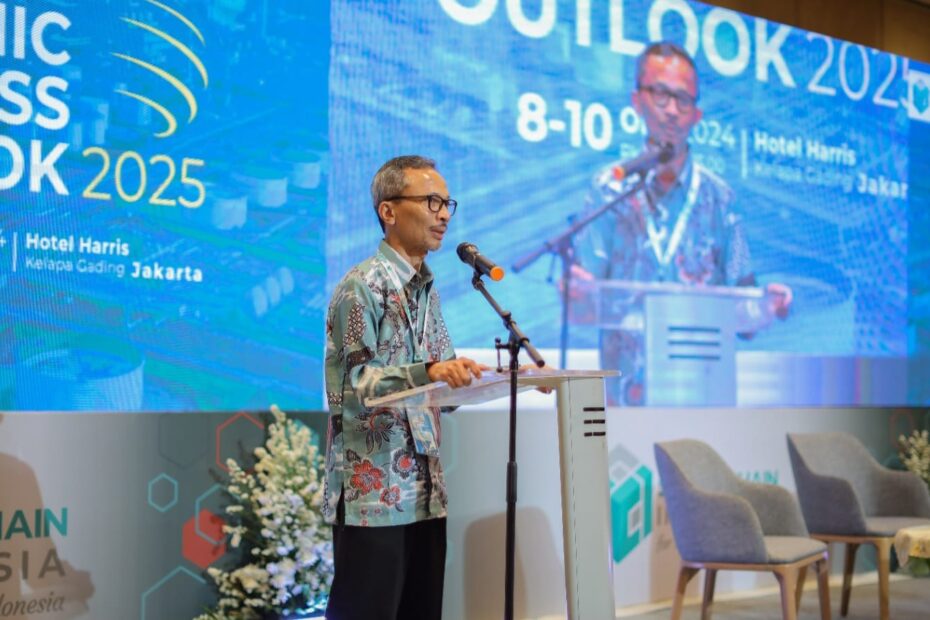
In 2025, refrigerated transportation in Indonesia is projected to grow by approximately 14%, while cold storage is expected to see an increase of around 8%, according to the Indonesian Cold Chain Association (ARPI).
Hasanuddin Yasni, General Chairperson of ARPI, anticipates that the growth in delivery services will outpace storage services due to a significant rise in last-mile delivery processes, driven by the ease of online ordering.
“In fact, the delivery process has begun to extend across islands,” he stated in a press release received by the editors of Indonesia Shipping Gazette on November 4, 2024.
Meanwhile, Setijadi, Founder and CEO of Supply Chain Indonesia (SCI), emphasized the high demand for cold chain logistics (CCL) in Indonesia, noting its increasing necessity.
CCL presents a promising business opportunity, particularly in the food and beverage sector, as well as in agriculture, forestry, and fisheries—both of which are major contributors to the country’s gross domestic product (GDP).
Setijadi highlighted the critical role of CCL for various perishable food commodities. “The implementation of CCL is essential to mitigate significant food losses and waste. According to FAO data, losses and waste in meat commodities reach 20%, in fisheries 35%, and in fruits and vegetables 45%,” he explained.
SCI believes that strong cold chain management capabilities are crucial for logistics service providers and processing industries, such as food and beverages and pharmaceuticals, as well as for retail and restaurants.
Setijadi asserted that enhancing industrial capabilities in cold chain management is vital not only for the industry itself but also for supporting the government’s vision and programs, including several missions outlined in the current Government program known as Asta Cita.
“The implementation of cold chains is necessary to support key goals, such as achieving food self-sufficiency (the second Asta Cita), promoting downstream industrialization to enhance domestic value addition (the fifth Asta Cita), and fostering development from rural areas to ensure economic equality and poverty alleviation as part of the current Government program,” Setijadi said.