
Logistics companies in Indonesia need not be overly concerned about a potential decline in business or global supply chain disruptions following Donald Trump’s election as U.S. President. Notably, Indonesia is not among the countries facing higher import tariffs under Trump’s trade policies.
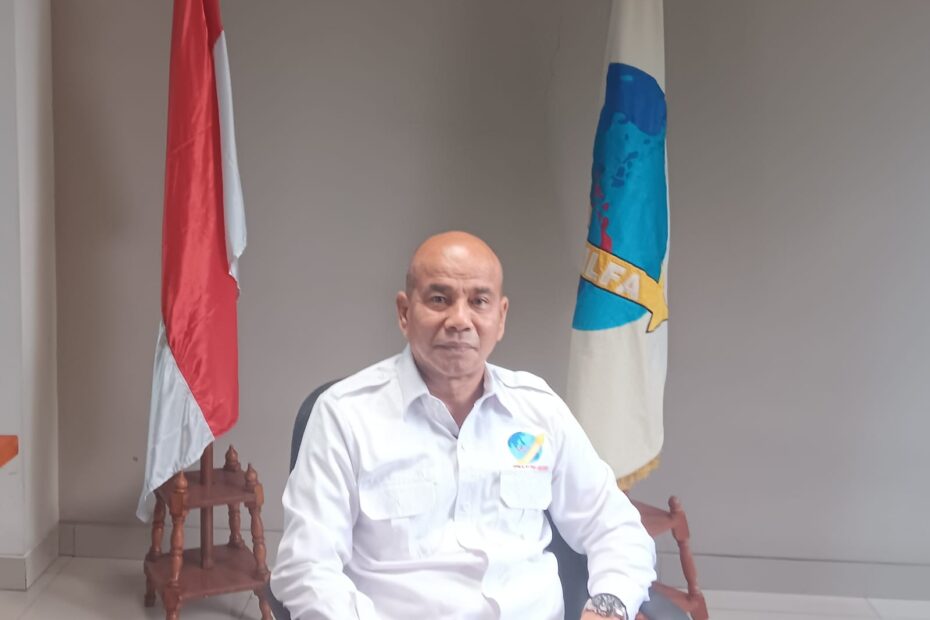
This optimistic outlook was shared by Adil Karim, Chairman of the Indonesia Logistics and Forwarders’ Association Chapter Jakarta (ALFI/ILFA Jakarta), who responded to global concerns regarding potential disruptions to international trade under the new U.S. administration.
Adil believes that Indonesian logistics companies could actually benefit from these shifts. He highlighted that Indonesian products may gain a competitive edge in the U.S. market, particularly over Chinese goods, which are set to face higher tariffs.
“Many of our international counterparts are worried about the impact of higher tariffs and potential disruptions in the global supply chain. However, I believe Indonesian logistics companies will not be adversely affected—in fact, they may find new opportunities,” Adil said.
He further emphasized that the expected rise in U.S. tariffs on Chinese products could create an opening for Indonesian exporters to gain easier access to the U.S. market. As demand for alternatives to Chinese goods increases, Indonesian logistics companies could see a boost in business.
“If our products can enter the U.S. more easily, it will significantly enhance our export volumes, which in turn benefits domestic logistics businesses,” Adil explained.
In addition, the growing demand for Indonesian products could stimulate further growth in local industries. “With greater demand for our goods, local industries will expand, and foreign investment is likely to follow,” he added.
Global Logistics Concerns
A recent survey by Descartes Systems Group (Nasdaq: DSGX) highlighted rising U.S. import tariffs as the top concern for global logistics companies heading into 2025. The survey, which included 975 respondents from major trading regions such as Europe, North America, South America, and Asia-Pacific, found that 48% of respondents listed tariff increases as their most pressing issue. Other key concerns included supply chain disruptions and geopolitical instability.
These survey results mirror broader shifts in trade policy under President-elect Trump’s administration. Trump has already announced a 25% tariff on imports from both Canada and Mexico, as well as an additional 10% tariff on imports from China. He has also threatened to impose 100% tariffs on goods from BRICS countries (Brazil, Russia, India, China, and South Africa) if they attempt to devalue the U.S. dollar through their currencies.
During his campaign, Trump proposed a 10% tariff on all U.S. imports, along with a 60% tariff on Chinese-made products.
“Tariffs and shifting trade policies are creating increasingly complex challenges, prompting companies to enhance their supply chain resilience through compliance, technology, and strategic planning,” said Jackson Wood, Director of Industrial Strategy at Descartes Systems Group. “As the U.S. reconsiders its trade policies, importers may need to revise their procurement strategies to mitigate the risk of higher costs,” Wood added.
Calling for National Companies’ Involvement
Adil Karim sees an additional opportunity for Indonesia, particularly as a growing number of Chinese companies seek to relocate their production operations to Southeast Asia to circumvent U.S. tariffs. As these companies look for alternative manufacturing bases, Indonesia could become an attractive destination.
However, Adil emphasized the need for the Indonesian government to ensure local companies, including logistics providers, benefit from this influx of foreign investment. “We welcome foreign investments, but we expect national companies to be involved. We also anticipate that these investments will benefit local logistics businesses,” he said.
Faisol Riza, Indonesia’s Deputy Minister of Industry, noted that following Trump’s election, a significant number of Chinese companies had reached out to the Ministry of Industry to explore relocation opportunities. “These companies are considering moving their operations to countries like Indonesia, which are not subject to high U.S. tariffs. This shift could help attract more foreign direct investment,” Riza said.
This trend mirrors the protectionist policies Trump implemented during his first term (2017-2021), when he imposed tariffs on a wide range of products, particularly from China. “If these companies set up manufacturing in Indonesia, they can still export to the U.S. without facing the same tariff penalties they would incur if they exported directly from China,” Faisol Riza explained during a discussion at the 100 Economists event in Jakarta on December 3, 2024.