
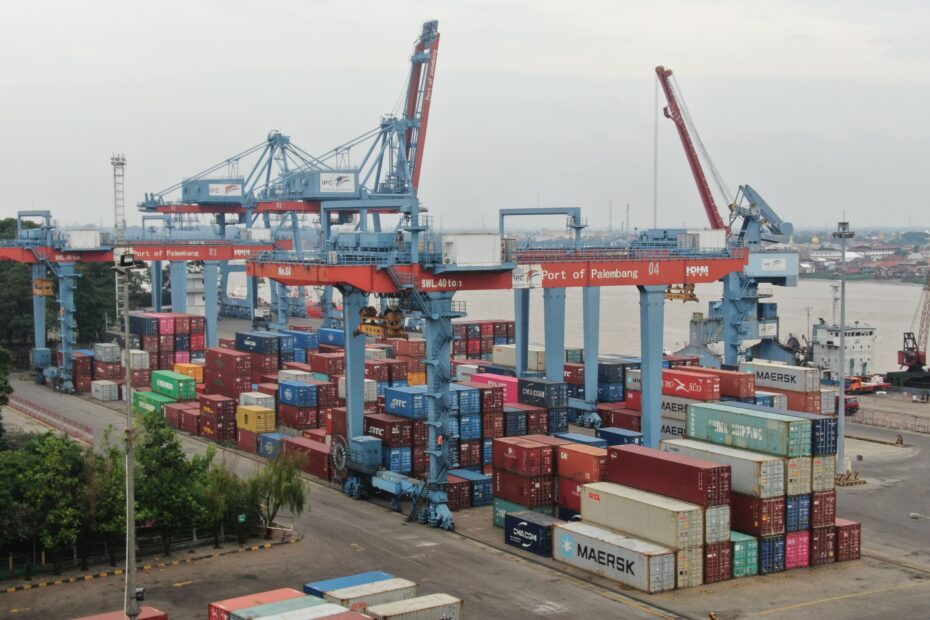
Total throughput of terminals of IPC TPK – a subsidiary of Pelindo Terminal Petikemas Subholding (SPTP) – reached 293,795 TEUs in July, a 11.6% increase month-on-month, from 263,225 TEUs. This included 77,570 TEUs international and 216,225 TEUs domestic containers.
Sustainable transformation has encouraged the customers to use IPC TPK terminals and triggered more ship calls, explained Pramestie Wulandary, IPC TPK Corporate Secretary.
“Optimizing facilities performance, operation transformation, and customer oriented service are our steps in increasing container throughput at the beginning of the second half of this year,” said Pramestie.
IPC TPK strives to increase terminal productivity with planning and control-based services. This effort ensures the readiness of the terminal to serve the surge in vessel calls and growth in the flow of goods.
Throughout July 2024, the number of domestic ship calls increased, especially IPC TPK Tanjung Priok and IPC TPK Teluk Bayur.
The increase in domestic container volume also took place at IPC TPK Jambi, thanks to the increasing demand of commodities of ceramics, flour and fertilizer.
Meanwhile, until July 2024, growth was recorded compared to the previous year for agricultural commodities in the IPC TPK Panjang area such as coffee, pineapple, pulp, crude glycerine, fresh shrimp and rubber. This growth drives an increase in the flow of international container loading and unloading.
IPC TPK continues to collaborate with stakeholders through strategic steps, including serving New Services. In Jully there were two new feeder services routing Jambi – Jakarta and Jakarta – Panjang, and one direct service.
“Our priority is to provide efficient shipping services and meet customer expectations. Optimal loading and unloading services will increase productivity and energy efficiency on the terminal. This positive impact is in line with IPC TPK’s sustainability goals,” explained Pramestie.