

Shipping and logistics players running business at Ambon Container Terminal (TPK Ambon) have expressed appreciation for the terminal’s improved performance following the transformation implemented by PT Pelindo Terminal Petikemas (SPTP).
They have observed significant advancements in service efficiency, which have positively impacted time and logistics costs associated with port operations.
The improved operational performance is attributed to effective planning and control at TPK Ambon, as well as the readiness of loading equipment and the expertise of the operators.
However, for further enhancements, they emphasized the need for faster container relocation to and from Lane 2 (consolidation points) and the acceleration of quay container crane (QCC) rail extensions.
Reducing Port Stay by One Day
Abraham Wattimena, Head of PT Salam Pacific Indonesia Lines (SPIL) Ambon Branch, highlighted that the transformation at the terminal has led to a reduction in port stay by up to one day. He explained that the average port stay for vessels loading and unloading 400 containers is now approximately 12 hours.
“Before the transformation, the port stay for a vessel with a similar volume could take between 30 and 60 hours,” Abraham said during a discussion in Ambon on October 17, 2024.
Currently, the terminal achieves an average loading and unloading rate (BSH) of 25 containers per hour, with peak performance reaching 30 containers per hour and a record high of 45 containers per hour. In contrast, prior to the transformation, the rate was only 16 to 18 containers per hour.
With 10 ship calls each month, SPIL leads the market share at this terminal, contributing approximately 50% of the total throughput. As of Q3 this year, SPIL’s throughput at TPK Ambon exceeded 39,000 TEUs, while the total throughput for TPK reached 78,478 TEUs (twenty-foot equivalent units).
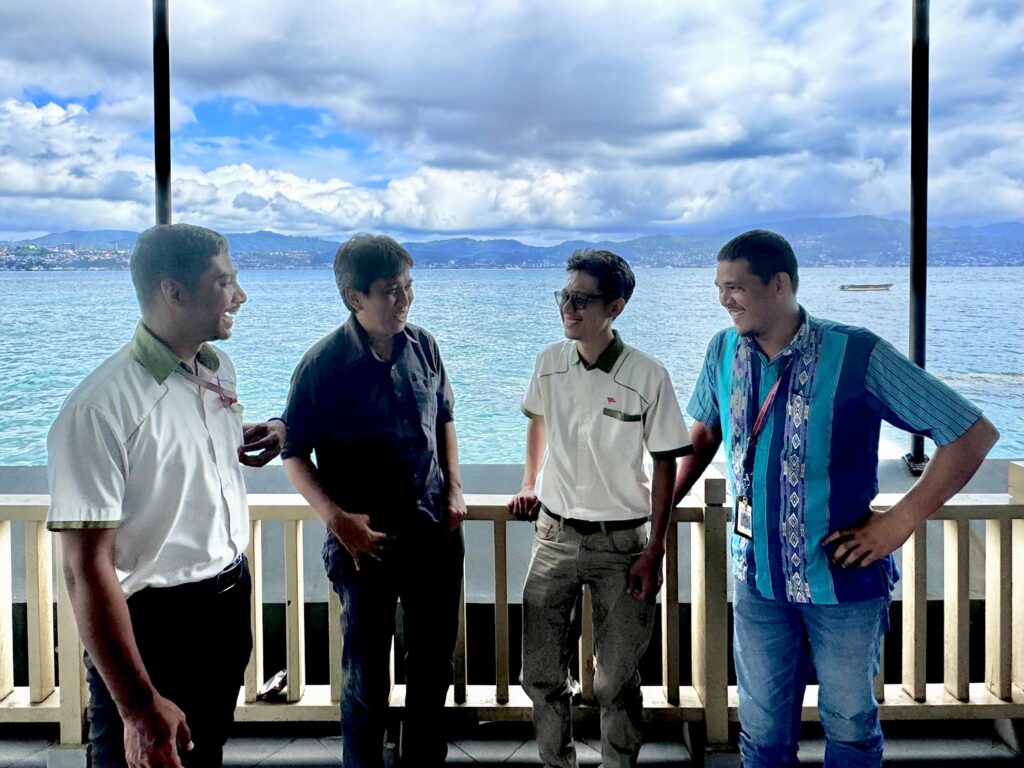
Kris Mengko, Head of Operations at Temas Lines Ambon Branch, echoed these sentiments, indicating that operational activities at TPK Ambon have also become faster, thanks to equipment availability, which is currently at 86%.
Temas Lines records two ship calls at TPK Ambon each month, with an average of 150 containers loaded and unloaded per ship. The average port stay for its vessels has now decreased to just 4 hours, compared to 10 hours before the transformation.
Logistics Efficiency
Just like shipping lines, logistics players also appreciate the achievements of the transformation. H.B. Sirait, Chairman of the Indonesian Logistics and Forwarders’ Association (ALFI) Maluku, commended PT Pelindo Terminal Petikemas (SPTP) for its ongoing enhancements at Ambon Container Terminal (TPK).
Sirait noted that the terminal’s organization has significantly improved, making TPK Ambon cleaner and more orderly, which facilitates quicker and safer loading and unloading activities for workers.
“Before the transformation, TPK Ambon resembled a chaotic market, with many unrelated individuals entering and exiting the area, even selling goods on-site,” he explained.
Post-transformation, Sirait observed that TPK Ambon has become more structured and efficient. All activities are now conducted online, greatly benefiting service users. “The process of entering and exiting containers is faster, as container locations in the stacking area are now recorded in the system,” he added.
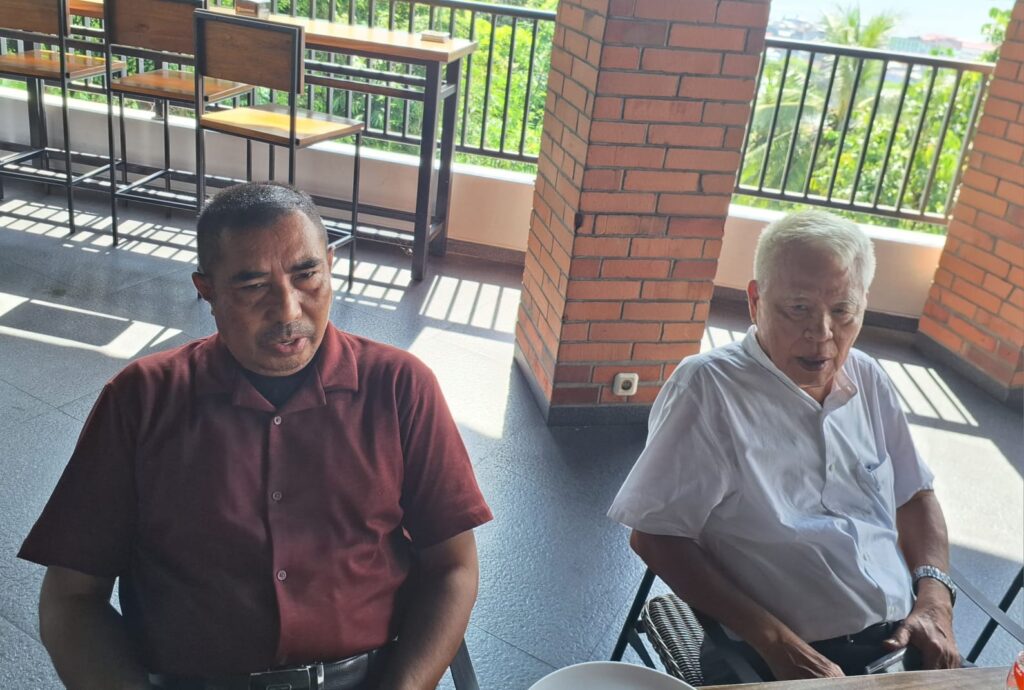
He highlighted that prior to the transformation, container searches were conducted manually, often making it difficult to locate specific containers.
“I appreciate Pelindo’s commitment to training operational officers, many of whom are young people from Maluku, enhancing their understanding of operational activities,” he said.
Sirait advised Pelindo to maintain a focus on the readiness of port equipment, emphasizing the need for repairs and updates as necessary. “Overall, the improvements are commendable, but it’s crucial that equipment is always ready to prevent service delays for users,” he concluded.
Standardization and Automation at TPK Ambon
Yandi Sofyan Hadi, Terminal Head of TPK Ambon, stated that the transformation at the terminal aims to enhance service quality. This transformation addresses key aspects of people, processes, and technology.
The initial phase focused on standardizing terminal operations, followed by the implementation of TOS Nusantara, the container terminal operating system.
Currently, TPK Ambon is also working on strengthening its 162-meter container pier, including extending the quay container crane (QCC) rail by 160 meters. The terminal has a total pier length of 334 meters, but only 160 meters is currently accessible to the QCC. With these improvements, the accessible length will increase to 320 meters, allowing the terminal to service two container ships simultaneously.
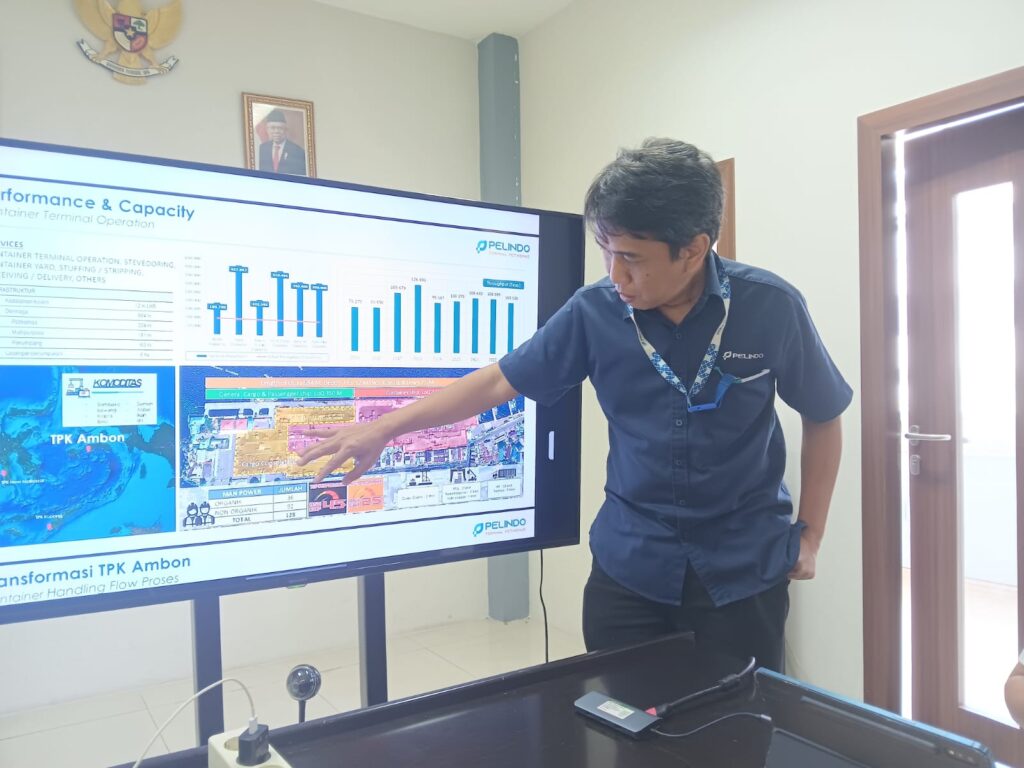
“We apologize for any disruptions caused by the ongoing pier work, which has limited operations to just one ship. However, we believe these enhancements will significantly improve operational performance at TPK Ambon and better serve shipping companies,” Yandi remarked.
He emphasized that the transformation at TPK Ambon will continue, stating that improvement is an ongoing process aimed at achieving customer satisfaction.
The first phase included standardizing container terminal operations, organizing the stacking yard, providing training for operational personnel, and establishing operational processes based on effective planning and control.
Safety is a critical concern in this transformation. “We are committed to conducting safety inductions for interested parties, setting minimum safety standards at the terminal, and ensuring restricted access for those not involved,” Yandi explained.
Additionally, the transformation encompasses the systems supporting terminal operations. Since August 18, 2023, TPK Ambon has been utilizing TOS Nusantara, becoming the third terminal within the SPTP environment to adopt this system, following IPC TPK Tanjung Priok and Terminal 1 TPK New Makassar.
Calling for Higher Equipment Availability
Despite recent achievements, there is a call for further programs and service improvements. Abraham urged management to expedite the strengthening of the pier and the installation of additional quay container crane (QCC) rails to enhance service efficiency.
“For almost a year, we’ve only been able to optimize one berth. We hope the pier work will be completed soon to accommodate two ships,” he stated.
Acknowledging significant improvements, Kris requested that both operators of Lane 1 and Lane 2 increase equipment availability to expedite the loading/unloading process and container relocation between the two lanes.
“Service at Line 1 of the terminal is already very good; however, we believe that improvements are still needed in Line 2,” Kris noted.
“We hope that equipment readiness at TPK Ambon can be increased to at least 90%,” he added.