
The Indonesian National Importers Association (GINSI) is urging the Indonesian government to take immediate diplomatic action in response to the United States’ (US) imposition of import tariffs on Indonesian commodities, which have now reached 32%.
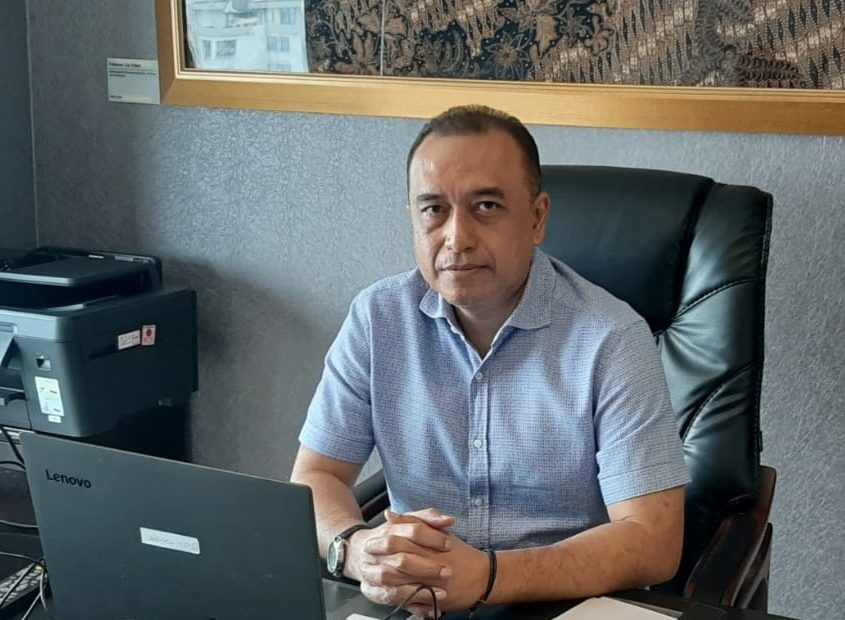
Erwin Taufan, Deputy Chairman of the GINSI, emphasized that this tariff policy is significantly impacting Indonesia’s international trade performance, affecting both exports and imports.
Taufan explained that the US tariff policy not only disrupts Indonesia’s export trade but also has direct consequences for Indonesian importers, particularly those sourcing goods from the US. He noted that the tariff is a reaction to Indonesia’s own import duties on US goods.
“This is a reciprocal tariff, which highlights the tension between our two nations, particularly within the import sector for US-origin goods,” Taufan said.
In light of this, GINSI is calling for a strengthening of bilateral relations with the United States, which could include appointing a new Indonesian Ambassador to the US. Additionally, GINSI encourages exploring new market opportunities in non-traditional countries to diversify Indonesia’s trade options.
According to the US government’s published list, Indonesia’s import tariff on US goods is set at 64%. This figure has been used as the basis for determining the 32% reciprocal tariff on Indonesian imports.
Given these developments, GINSI is urging the Indonesian government to intensify diplomatic efforts aimed at easing trade tensions. Taufan pointed out that other countries have taken similar actions to safeguard their trade relations with the US, citing Vietnam as an example. Vietnam has proposed a 0% import tariff on US goods, a move Taufan believes Indonesia could also emulate.
“Vietnam’s proposal for a 0% tariff on US goods is a step worth following. We strongly encourage the Indonesian government to pursue similar diplomatic measures,” Taufan stated.
While Taufan acknowledged that every country has its own strategy for addressing such challenges, he emphasized that Indonesia need not mirror China’s retaliatory approach to US tariffs. “Rather than responding with similar retaliatory measures, we should focus on diplomacy through open lobbying, with the aim of reducing these tariffs,” he said.
Taufan stressed that these diplomatic efforts could involve opening dialogue and negotiating mutually beneficial trade agreements between Indonesia and the US. Such measures could help mitigate the negative impact on Indonesian importers and ultimately strengthen trade relations.
Strategic Diplomacy
Taufan also underscored the importance of developing a flexible, adaptive international trade strategy to navigate the evolving global trade landscape and respond effectively to unilateral policies that disrupt international markets.
“With the right diplomatic efforts, Indonesia can maintain the continuity and growth of international trade, while enhancing its bargaining power in an increasingly complex global economic environment,” Taufan said.
He further commended the Indonesian government’s ongoing coordination between Ministries and Institutions, as well as its communication with the United States Trade Representative (USTR), the U.S. Chamber of Commerce, and other international partners.
These efforts are aimed at formulating strategic responses to the US’s reciprocal tariff policy, ensuring that every action taken aligns with Indonesia’s national interests and considers all relevant aspects comprehensively.