
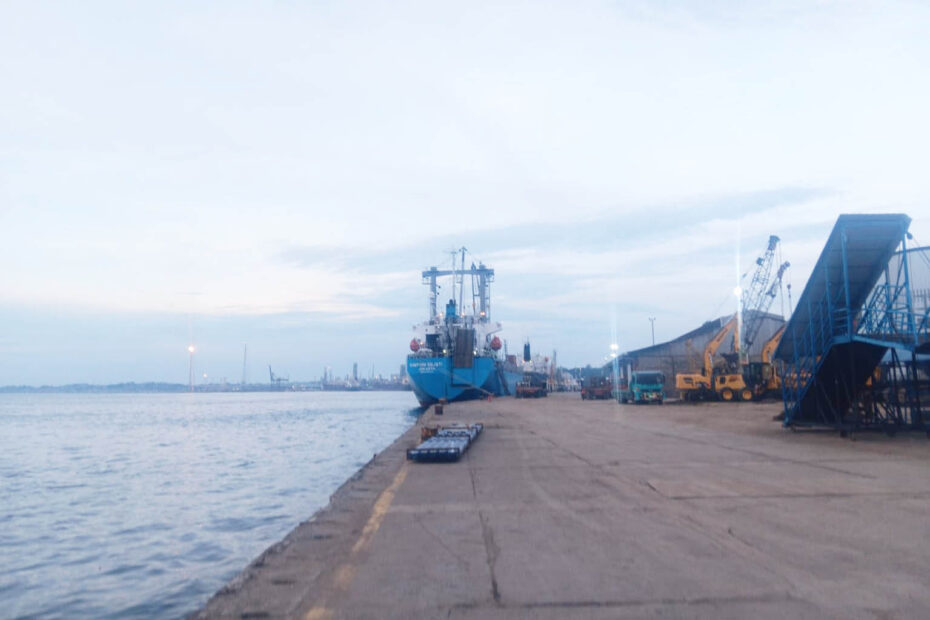
The Semayang Satellite Terminal, operated by PT Indonesia Kendaraan Terminal Tbk (IPCC), is seeking urgent upgrades including a longer berth/quay, larger stacking yards and additional loading and unloading equipment to keep pace with rising demand.
Data from IPCC show that from January to November 2025, the terminal handled 97,458 vehicles, comprising 64,916 units unloaded and 32,542 units loaded. The total included 50,673 trucks and buses, 5,584 units of heavy equipment and 22,276 motorcycles.
General cargo throughput also rose, reaching 40,667 cubic metres over the same period, with unloading accounting for the bulk at 37,467 cubic metres, while 3,200 cubic metres were loaded.
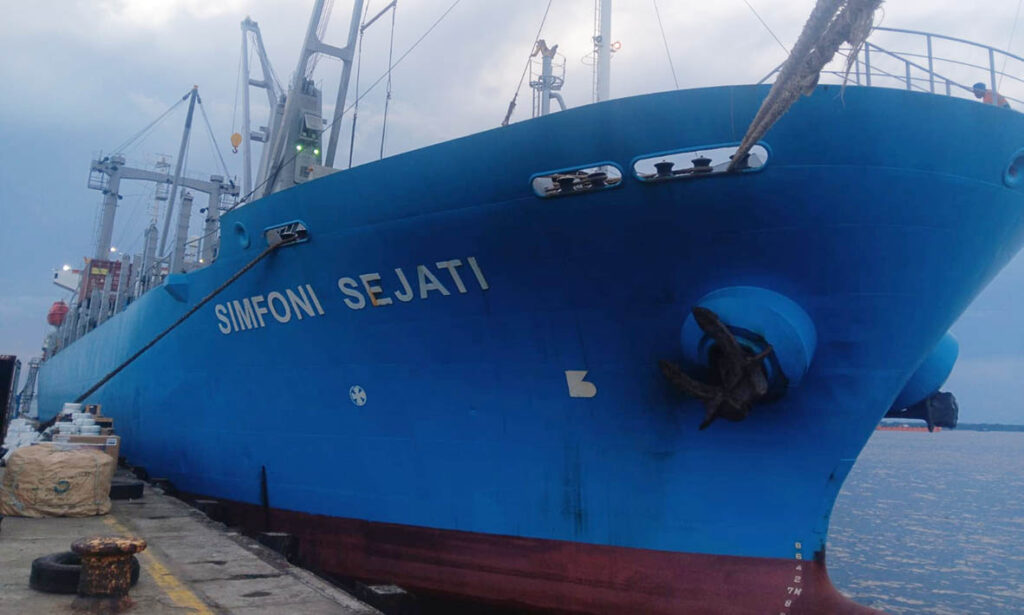
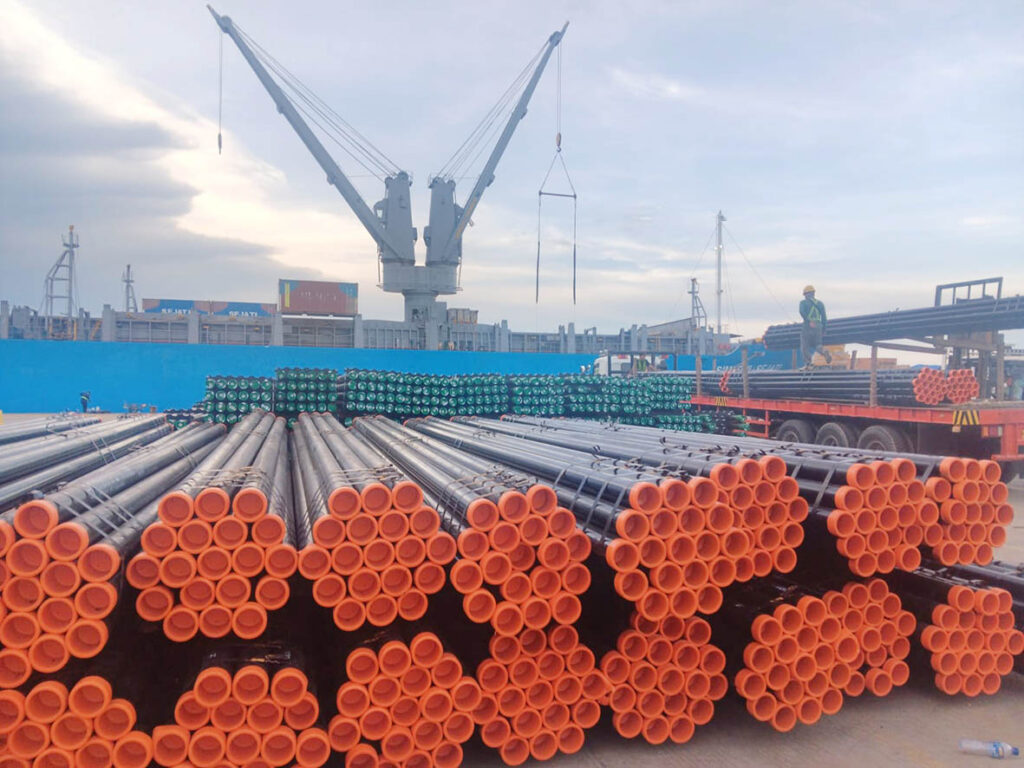
Activity at the terminal has remained intense in recent weeks. On Monday, a roll-on/roll-off (Ro-Ro) vessel, Sinfoni Sejati Jakarta, was observed unloading construction materials at the Semayang pier. The vessel, which arrived from Jakarta’s Tanjung Priok port, carried rebar, steel plates and pipe fittings destined for infrastructure projects supporting the development of Indonesia’s new capital, Nusantara, in East Kalimantan.
The growing cargo flows underscore the terminal’s strategic role as a logistics hub, particularly since the completion of toll road connections linking Balikpapan with the capital city area, accelerating the movement of goods, vehicles and heavy equipment inland.
PT Indonesia Kendaraan Terminal Tbk, listed on the Indonesia Stock Exchange under the ticker IPCC, is part of the Pelindo Multi Terminal subholding and specialises in vehicle terminal operations. The company has positioned itself as a provider of international-standard port services, benefiting from increased trade and infrastructure spending in eastern Indonesia.
Ahmad Efendi, operations officer at IPCC’s Semayang Satellite Terminal, said the facility currently handles an average of around 80 vessels each month.
“About 60 to 65 of those are passenger Ro-Ro vessels, while another 15 to 17 are Ro-Ro ships carrying vehicles and heavy equipment,” Efendi said.
Each vessel typically transports between 200 and 300 vehicles, with total cargo rising to as many as 400 units when heavy equipment is included, he added.
The terminal serves a range of passenger and car carriers . PT Amali operates routes linking Tanjung Priok, Balikpapan and Makassar, while PT Fajar Bahari Nusantara runs services on the Marunda–Balikpapan route several times a month.
Passenger Ro-Ro services calling at the terminal include vessels operated by Dharma Ferry, PT Fajar Jembatan Nusantara and PT Damai Lintas Nusantara, connecting Balikpapan with Surabaya, Parepare and Donggala. Vehicle-focused Ro-Ro services are provided by operators including PT Amali and Fajar Bahari Nusantara.
Efendi said the average unloading time for a car-carrying vessel is between 10 and 12 hours. However, the existing vehicle yard at the Semayang Satellite Terminal can accommodate only around 300 units, creating bottlenecks during peak periods.
Despite its rising importance, the terminal’s supporting infrastructure remains limited. One of the most pressing needs is additional buffer space for vehicle storage and parking, particularly when multiple vessels arrive in close succession.
The terminal’s dock length, currently 491 metres, is another constraint. Without extension, only a limited number of Ro-Ro vessels can be handled simultaneously.
“With dock expansion and additional yard space, the terminal would be able to serve more ships at the same time and respond better to growing demand,” Efendi said.
As vehicle and cargo flows to East Kalimantan continue to rise alongside capital city development, industry observers say timely investment in port capacity will be critical to preventing congestion and sustaining logistics efficiency in the region.