
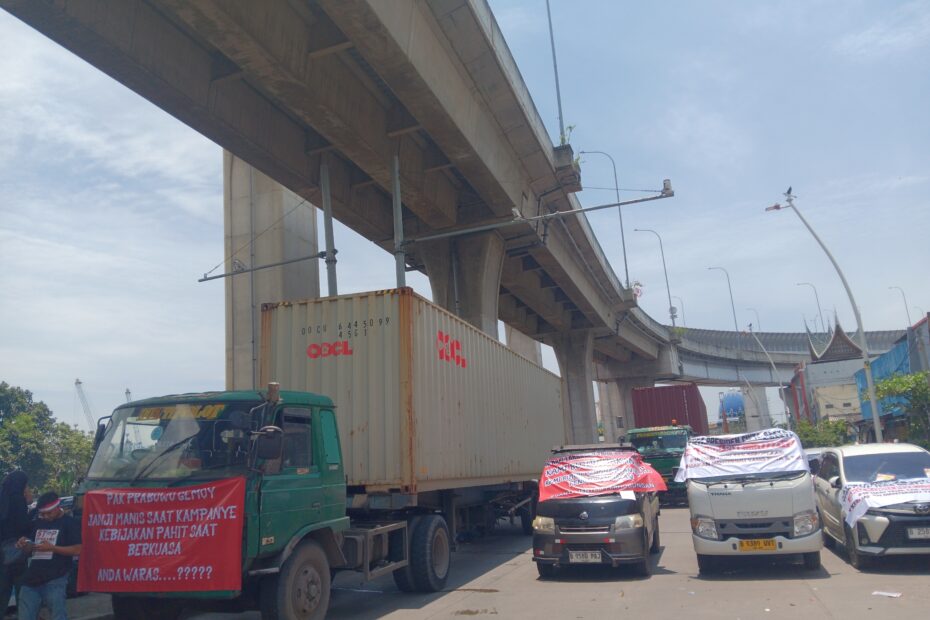
Trucking companies led by Indonesian Trucking Companies Association (APTRINDO) have initiated a simultaneous operational stoppage at several major ports across Indonesia, beginning Thursday, March 20, 2024.
The stoppage, which will last for two days (March 20-21), focuses on key ports such as Tanjung Priok Jakarta, Banten, Central Java, East Java, Bali, and other regions.
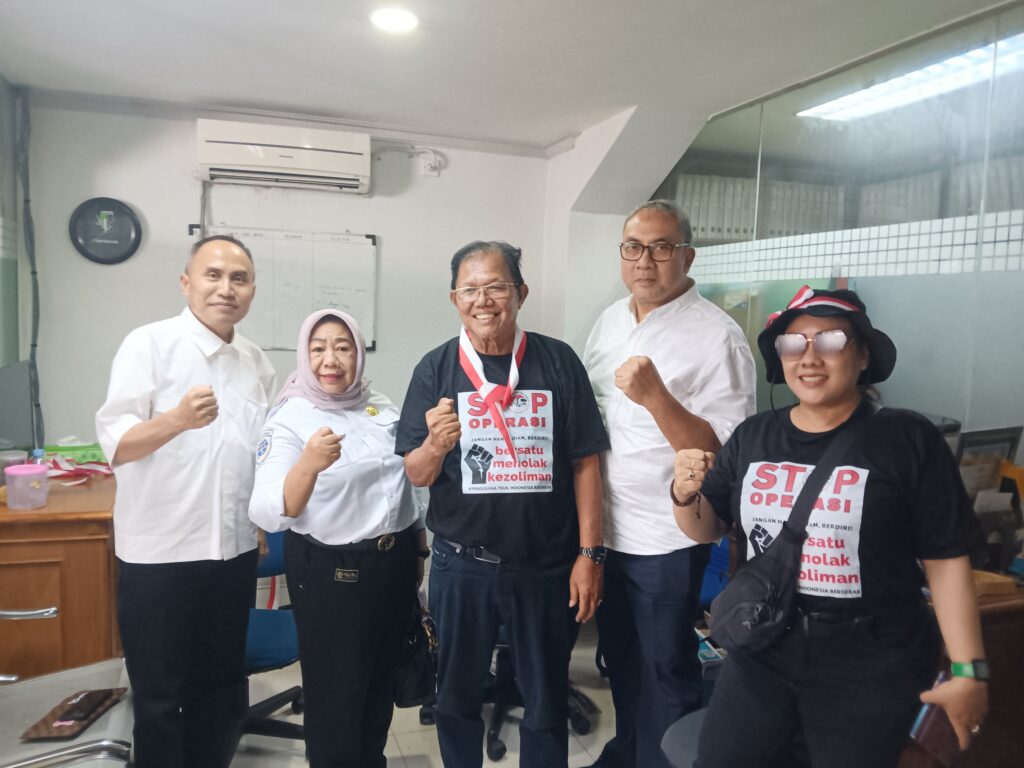
This action is a protest against the government’s decision to implement a long holiday spanning up to 16 days, significantly impacting logistics sector operations.
As reported earlier, in a move that further complicates the logistics industry’s operations, the government has issued a Joint Decree from the Director General of Land Transportation of the Ministry of Transportation, the Director General of Sea Transportation of the Ministry of Transportation, the Head of Traffic Corps, and the Director General of Highways of the Ministry of Public Works.
The decree addresses road traffic regulations and crossings during the homecoming and return flow of Eid 2025/1446 H.
The decree introduces restrictions on the operation of goods transportation, which will take effect from Monday, March 24, 2025, to Tuesday, April 8, 2025. These restrictions apply to both toll roads and non-toll roads, further limiting trucking companies’ ability to operate during this critical period.
Gemilang Tarigan, Chairperson of APTRINDO, expressed that this operational stoppage was necessary because the government’s policy poses a serious risk to not only trucking businesses but the entire logistics sector. He emphasized that the policy could disrupt the supply chain across Indonesia.
“According to our calculations, the national logistics industry stands to lose up to IDR 5 trillion during this 16-day ban, during which trucking companies cannot operate,” Tarigan stated.
He further explained that this ban would not only harm the trucking business but also disrupt the broader logistics ecosystem. “This is an interdependent system. When trucking operations halt, it automatically affects other logistics activities, including the distribution of goods at major ports,” he added.
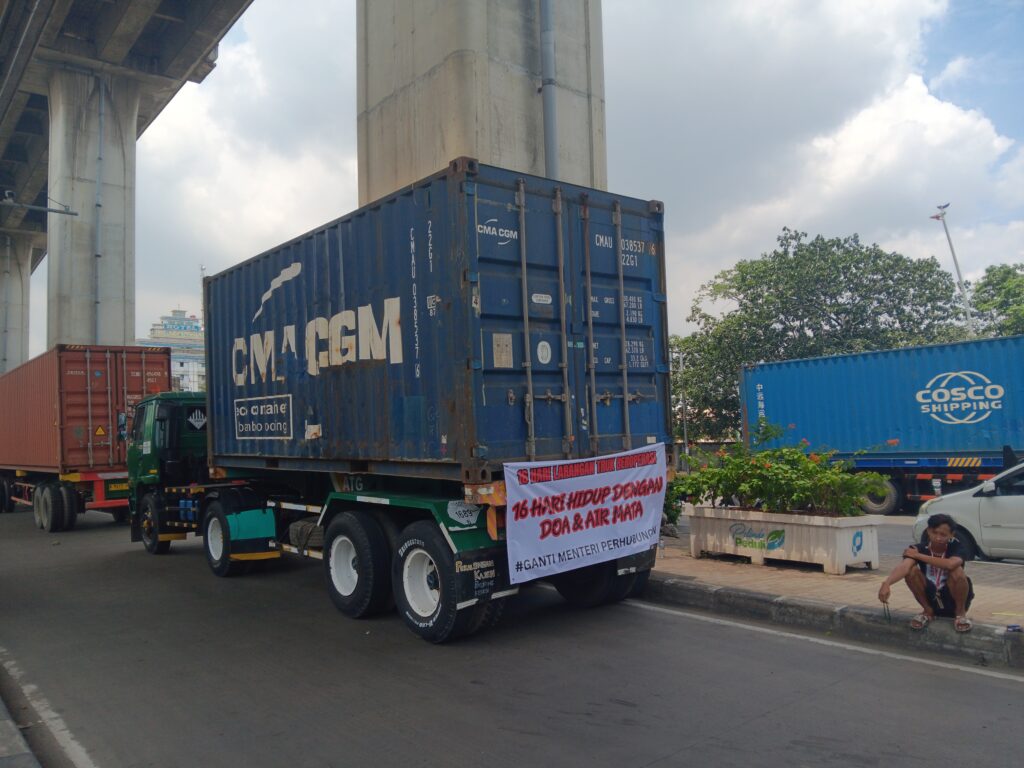
The operational stoppage also impacts various sectors within the logistics industry, including inter-island shipping, transportation of industrial raw materials, and the distribution of goods to markets. The disruption could lead to shortages of essential goods in different regions, affecting consumers who rely on a smooth supply chain.
Call for Policy Revision
In response to the disruptions, APTRINDO is urging the government to evaluate and revise the long holiday policy. The association highlights the critical role the logistics and freight forwarding sectors play in supporting both large industries and MSMEs that depend on reliable goods distribution.
“This incident has attracted significant public attention, given the importance of the logistics sector in sustaining the resilience of Indonesia’s economy, especially in challenging times. Policies that fail to consider the impact on this vital sector risk worsening the economic situation, both in the short and long term,” Tarigan noted.
APTRINDO is calling on the government to address the concerns of trucking and logistics business owners and to consider more balanced policies that facilitate the smooth operation of the logistics sector, which is integral to the national economy.

Agus Pratiknyo, Deputy Secretary General of APTRINDO, highlighted the significant impact of the truck operation ban on both trucking companies and their employees. He explained that the policy harms not only business owners but also the drivers and assistant drivers who depend on this industry for their livelihoods.
In Jakarta alone, around 500 trucking companies with a total fleet of 40,000 trucks directly employ around 80,000 people, including drivers and assistants. The operational ban will have a direct effect on their income. “Both truck owners and their drivers will certainly face a loss of income,” Agus stated.
Trucking companies themselves are expected to face substantial financial losses. “My own company stands to lose around IDR 5 billion in income because operations will be suspended,” Agus said. This income loss may make it difficult for trucking companies to meet their vehicle installment payments, especially for businesses that rely on daily earnings.
Agus called on the government to revise the policy, at least for the period between D-4 and D+4, to allow trucking companies to continue operations without incurring massive losses while ensuring the welfare of drivers and employees.
Impact on West Java’s Industry and Exports
The operational stoppage has garnered support from APTRINDO West Java, which joined the protest against the government’s truck operation ban. Nugroho Insani, Chairman of APTRINDO West Java, explained that around 250 trucking companies in the region, operating approximately 5,000 trucks, were forced to halt operations due to the policy. This has disrupted industrial activities and potentially caused congestion at Tanjung Priok Port, the main gateway for exports and imports in West Java.

The policy’s impact is not limited to the loss of income for trucking companies. The disruption of truck operations also hampers the smooth flow of industrial activities and logistics, particularly for exports and imports. Nugroho warned that the policy could slow down logistics flows, affecting the broader economy at both the regional and national levels.
The support from APTRINDO West Java underscores the solidarity among trucking companies across regions, as they collectively feel the adverse effects of the policy. They hope for an immediate revision to mitigate further harm to the trucking industry and its workers.
This situation has drawn widespread attention due to the extensive impact on the economy and the distribution of goods. It serves as a reminder that policies must consider the interconnectedness of various sectors, particularly the logistics industry, which plays a critical role in Indonesia’s economic stability.