

PT Pelabuhan Tanjung Priok (PTP Nonpetikemas) has successfully transformed Muara Sabak Port – a river port which is around two hours sailing from the Batanghari River mouth – through the implementation of an LPG (Liquefied Petroleum Gas) loading and unloading pipeline system.
This transformation not only simplifies and secures the loading and unloading process but also ensures a more efficient distribution of LPG for Jambi Province and its surrounding areas.
After the Pelindo merger, which focused on service transformation, PTP Nonpetikemas has reinforced its commitment to enhancing service quality as a non-container operator at the port. A key strategic initiative was the introduction of the piping system to streamline LPG operations.
Since November 2024, PTP Nonpetikemas Jambi Branch has partnered with PT Kimia Yasa to handle LPG operations at Muara Sabak Port. This new system directly channels LPG to storage tanks, making the distribution and storage processes more efficient and cost-effective.
The collaboration aims to strengthen Jambi’s logistics infrastructure, particularly in the fast-growing LPG sector.
PT Kimia Yasa, a key player in the petrochemical and LPG trading sector, plays a vital role in the partnership by providing necessary infrastructure and facilities for LPG storage and distribution, while PTP Nonpetikemas provides land and loading/unloading services.
This collaboration is expected to meet the region’s increasing LPG demand and further support the local economy.
Strategic Steps in LPG Distribution
Dwi Rahmad Toto S., PTP Nonpetikemas’ Director of Commercial and Business Development, emphasized that this collaboration is a crucial step to improve LPG distribution efficiency in Jambi.
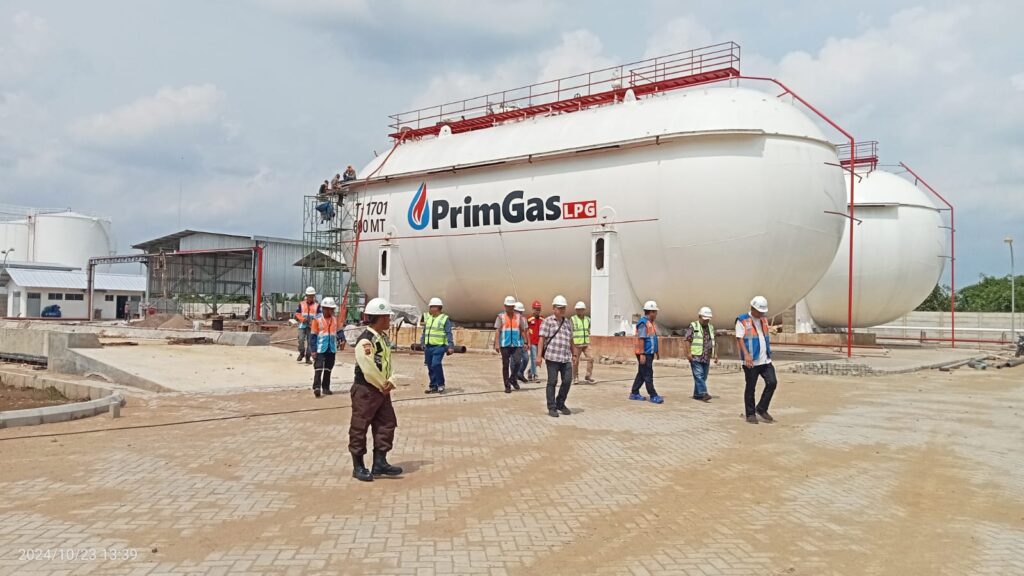
“We are committed to meeting the growing logistics demands in Jambi. Through this collaboration, we aim to enhance the region’s logistics infrastructure, especially in the LPG sector,” he said.
Since January 2025, the pipeline system has facilitated the movement of 5,870 tons of LPG, averaging 1,468 tons per month. This reflects the positive impact the system has had in enhancing operational efficiency and meeting growing market demand.
Muara Sabak Port’s development potential is significant. Its strategic location, just two hours from the river mouth, makes it an ideal hub for goods distribution. In comparison, Talang Duku Port is farther, requiring 15-20 hours of ship travel.
Additionally, Muara Sabak’s proximity to Tanjung Jabung Timur—an area with numerous palm oil factories producing CPO—further enhances its appeal.
Boosting Throughput and Operational Efficiency
PTP Nonpetikemas Jambi Branch operates at two primary locations: Talang Duku and Muara Sabak, situated along the Batanghari River in Jambi Province’s lower reaches. Muara Sabak Port is one of the region’s most efficient ports, serving as a key distribution hub. Both ports handle various commodities, including dry bulk, liquid bulk, and general cargo.
Dry bulk includes commodities like coal and palm kernel, while liquid bulk covers products such as CPO and CFAO. General cargo includes goods like piles, polywood, and heavy equipment. These ports are vital for supporting Jambi’s economy.
Romi Hasbeni, Branch Manager of PTP Nonpetikemas Jambi, added that the pipeline system is expected to increase throughput to 36,000 tons per year. Prior to this, Muara Sabak Port lacked a pipeline system, and the new infrastructure significantly accelerates the loading and unloading process. Of the port’s 189-hectare area, approximately 10 hectares are dedicated to these operations.
Innovation and Sustainability
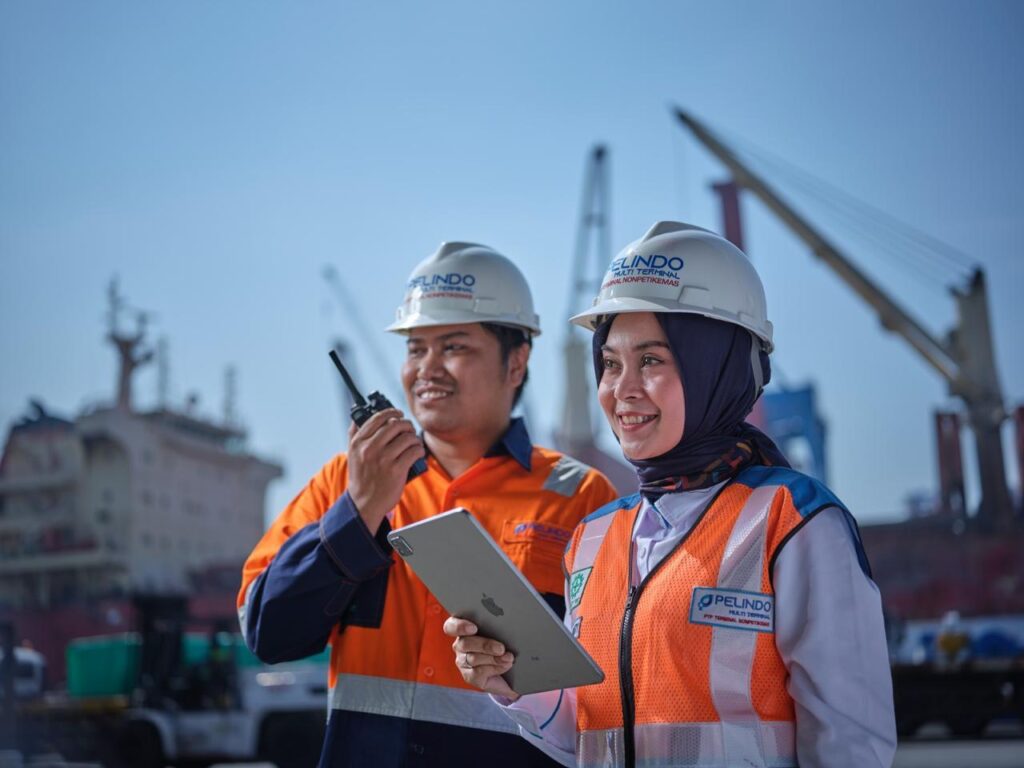
PTP Nonpetikemas remains dedicated to boosting productivity and operational efficiency through sustainable innovations. The company also prioritizes HSSE (Health, Safety, Security, & Environment) standards to ensure that all innovations support environmental sustainability and workplace safety.
As it continues to develop its facilities and services, PTP Nonpetikemas is well-positioned to facilitate the smooth flow of logistics and play an integral role in Jambi’s economic growth, particularly in the LPG distribution sector.