
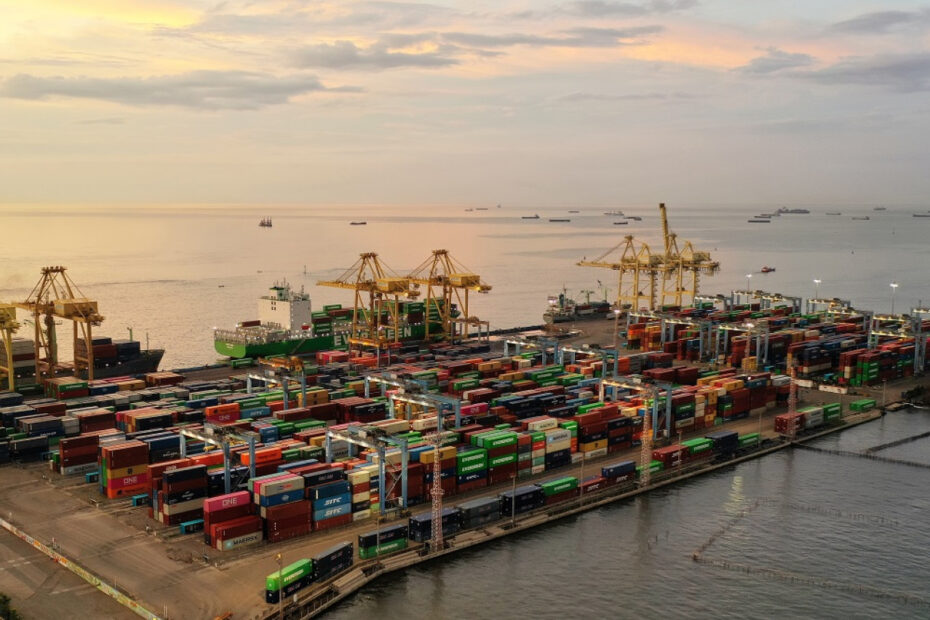
PT Pelindo Terminal Petikemas (SPTP), the operator of the TPK Semarang container terminal, is set to procure two Harbour Mobile Cranes (HMCs) to support the operations of its newly expanded 150-meter oceangoing berth.
The expansion involves converting an existing pier, currently used for the loading and unloading of non-container cargo, into a dedicated container berth.
Widyaswendra, Corporate Secretary of PT Pelindo Terminal Petikemas, explained that the use of the ocean pier is in direct response to the increasing number of ship calls and container traffic at TPK Semarang. This move is part of the company’s proactive efforts to maintain optimal service levels and prevent congestion.
In addition to upgrading the pier and acquiring new equipment, SPTP is also developing additional container yard at TPK Semarang. The company is currently completing all administrative requirements to ensure that both the pier’s utilization and the preparation of the yard are in line with good governance practices.
“The flow of containers at TPK Semarang surged by 15 percent in 2024 compared to 2023, and this growth is expected to continue due to the presence of the Kendal and Batang Integrated Industrial Areas in Central Java,” Widyaswendra said on Monday (24/02).
Widyaswendra further stated that the company has received at least 12 requests for additional services from various shipping companies, which could result in an additional 200,000 TEUs of container traffic annually. The company anticipates that by 2029, container throughput at TPK Semarang could reach 1.2 million TEUs.
“As the size and capacity of vessels calling at TPK Semarang continue to grow, it is crucial that we ensure our services meet the increasing demands of our customers,” he added.
Looking ahead, SPTP plans to introduce four quay container cranes by the second quarter of 2026. The company also intends to raise the pier and expand the container yard at TPK Semarang to accommodate this growth.
Beyond port facilities and equipment, SPTP is also focused on improving operational performance at TPK Semarang. This includes ongoing transformations in workforce management, business processes, and the adoption of advanced technology to optimize loading and unloading operations.
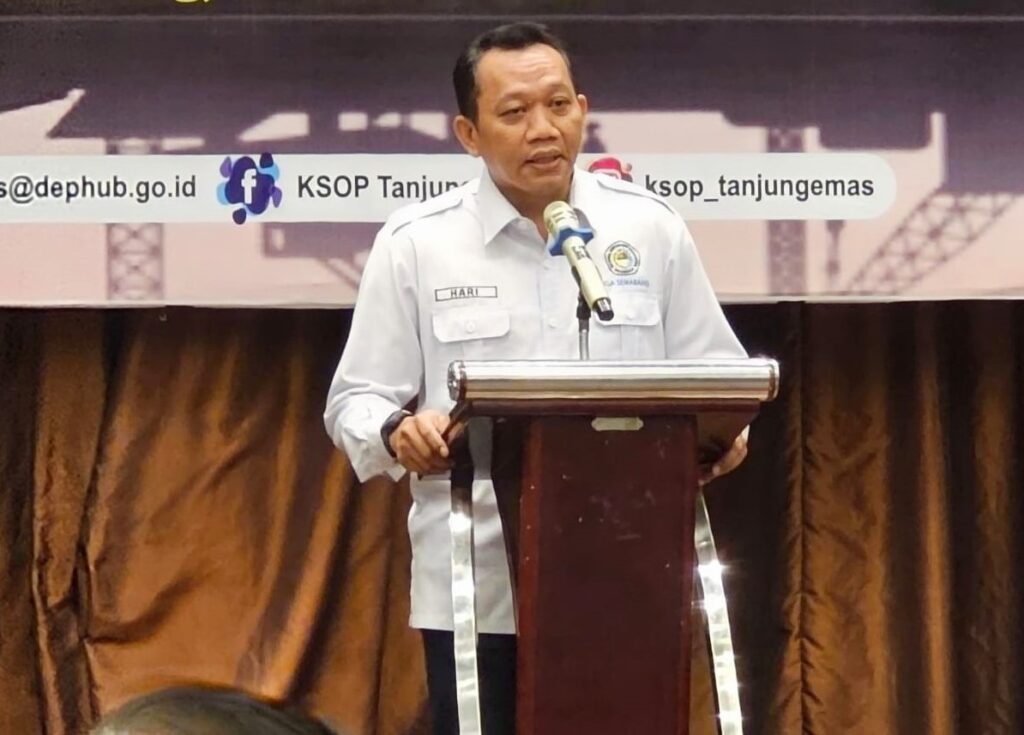
Photo: Hari Ratmoko
Shipping industry stakeholders have expressed strong support for SPTP’s’ initiative to expand the TPK Semarang berth. The increasing number of ship calls to Tanjung Emas Port Semarang is driven by the growing volume of imports and exports from the port.
“TPK Semarang urgently needs to expand its capacity as containership calls continue to rise,” said Hari Ratmoko, Chairman of Indonesian National Shipowners’ Association (INSA) Chapter Semarang.
Hari urged PT Pelindo Terminal Petikemas to not only increase berth and equipment capacities—such as quay container cranes—but also expand the container yard. He noted that container volumes have already increased significantly, and future export potential is expected to grow substantially, particularly with the development of new industrial areas in Central Java.
Teguh Arif Handoko, Chairman of Indonesian Logistics and Forwarders’ Association (ALFI/ILFA) Chapter Central Java and DIY, also welcomed the plans to expand TPK Semarang’s capacity, particularly the expansion of the container yard. He highlighted the rapid growth of cargo volumes in Central Java in recent years.
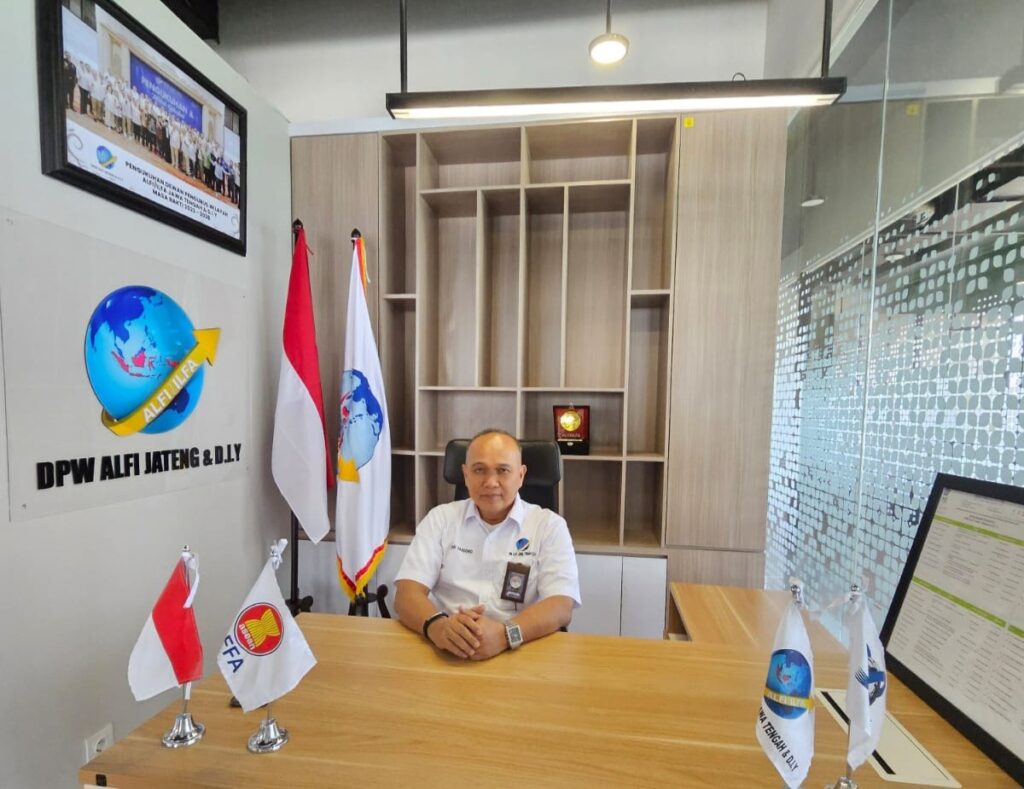
Photo: Teguh Arif Handoko
“We fully support the plan to expand capacity, especially the container yard, as container traffic at TPK Semarang is expected to continue growing at a significant pace,” Teguh stated.
The growth in container volume at TPK Semarang is a clear reflection of the booming industrial sector in Central Java.
In 2024, container throughput at TPK Semarang increased by 15 percent, reaching 895,904 TEUs, compared to 781,841 TEUs in 2023. This continues the upward trend seen since 2020, when container traffic was 717,062 TEUs.