
The chaos of April 16 and 17 wasn’t just a logistical hiccup—it was a wake-up call. Without forward planning and systemic reform, Indonesia’s supply chains remain vulnerable to shockwaves.
Last week, the rhythm of Indonesia’s national logistics suddenly surged back to life—almost too fast for the system to handle. After more than two weeks of silence due to an extended holiday, the heartbeat of trade began pounding again, and nowhere was this more visible than at Tanjung Priok Port in North Jakarta.
The port, Indonesia’s busiest gateway for import and export, was overwhelmed. Trucks lined up in endless queues, containers stacked like a giant game of Tetris, and frustration built with each passing hour.
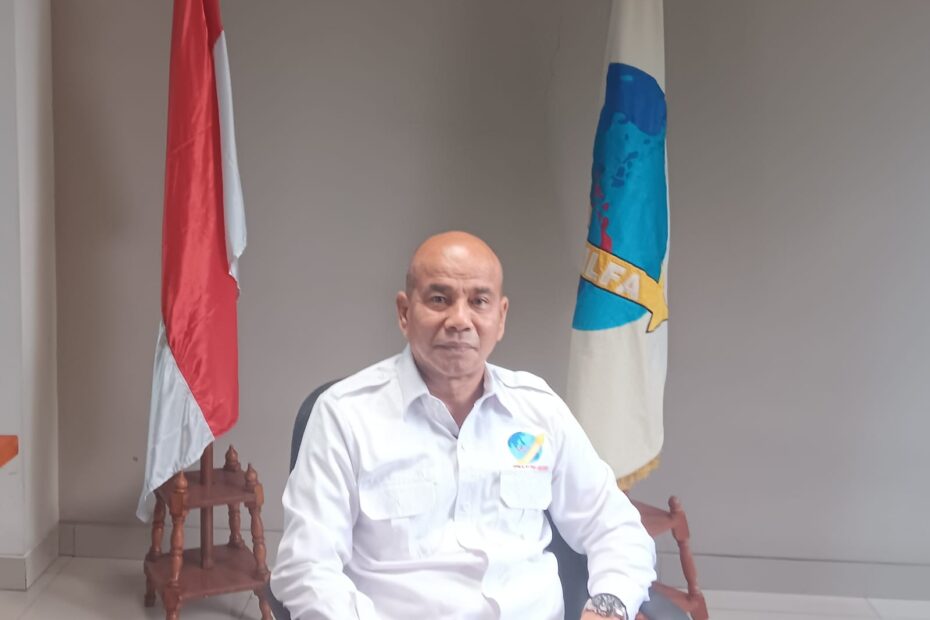
Adil Karim, Chairman of the Indonesian Logistics and Forwarders Association (ALFI) for Jakarta, was not surprised by the chaos.
“What we saw on the 16th and 17th of April was a predictable aftermath of the long holiday,” he said, speaking on Monday, April 21. “For more than 16 days, factories stood still, distribution stopped, and the entire supply chain froze. Then, all at once, it snapped back into action,” Adil described what was going on within the industry.
Adil explained that while many logistics companies officially resumed operations on April 8, it wasn’t an immediate return to normal. Early days were consumed by post-holiday gatherings like halal bihalal, and production didn’t kick into full gear right away. It wasn’t just the factories that were delayed—raw materials, both imported and local, also took time to flow back into the system.
“The factories didn’t have the materials they needed on day one. Production restarted slowly, and goods weren’t ready to ship until a week later,” Adil said. “By the time April 16 and 17 rolled around, everything came crashing down at once—factories shipping products, traders catching up on backlogs, and ships arriving right on schedule.”
It wasn’t just manufacturers who were affected. Many traders, especially smaller ones, were also unable to move goods during the holiday. Their stockpiles sat idle until logistics workers returned, which for many wasn’t until the second week of April.
“The effect of this holiday was very real. Last week was the moment everything resumed at once—both production shipments and trading activities,” he emphasized.
Despite the noticeable jump in shipping activity, Adil warned against seeing it as a sign of broader economic growth. “We can’t make that assumption just yet,” he said. “This spike is purely the result of the holiday backlog.”
On top of the increased exports, there was also a surge in imported goods, primarily industrial raw materials intended to sustain production over the next several weeks. Adil pointed out that even though contracts for those imports had been signed earlier, delivery was postponed to align with domestic readiness.
However, Pelindo as the operator of the port realized port also contributed to the logjam. “We sincerely apologize for the inconvenience caused over the past few days,” said Arif Suhartono, President Director of Pelindo. “We are actively working with all stakeholders at the port to ensure this does not happen again.”
According to Arif, the logjam was also the result of operational at the New Priok Container Terminal 1 (NPCT1). A delay in the docking schedule led to three ships arriving simultaneously—an unexpected spike in activity that overwhelmed the terminal’s capacity for loading and unloading containers.
Simultaneously, there was a surge of truck arrivals at the port, coinciding with the lead-up to a long weekend, which only worsened the bottleneck.
ALFI’s Four Strategic Recommendations
Looking ahead, Adil called for smarter preparation and coordination among port authorities. “There needs to be a proper contingency plan at the port level. This kind of spike will happen again, and we can’t afford to let congestion paralyze national distribution.”
The congestion at Tanjung Priok wasn’t just inconvenient—it was costly. For two days, the port area was in disarray, hurting businesses, drivers, and everyday road users.
To prevent such a scenario from repeating, ALFI Jakarta has put forward four key recommendations: First, Rethink Long Holiday Policies. Adil believes the Ministry of Transportation must re-evaluate the policy that allowed for a 16-day holiday stretch. When the entire manufacturing and logistics ecosystem restarts simultaneously, bottlenecks are inevitable. Workers, truck drivers, and exporters all returning to business at once causes a tidal wave of activity.
“The Joint Decree on Eid Transportation Restrictions must be carefully considered in the future,” Adil stressed. “Any decisions must involve business associations to avoid disrupting national logistics.”
Second, Implement a Terminal Booking System (TBS). ALFI is urging the immediate rollout of a Terminal Booking System that would manage container flow with buffer zones on both the west and east sides of the port. This system should be integrated across all terminals and coordinated with the Port Authority (KSOP) and logistics associations.
Adil criticized the current quota system implemented by NPCT-1, particularly for imported containers under TILA, warning that it could inflate demurrage and other hidden costs.
Third, Accelerate the Development of Patimban Port. Located in Subang, West Java, Patimban Port holds potential as a relief valve for Tanjung Priok. Adil recommends fast-tracking its development to handle container traffic from East Jakarta and surrounding areas, effectively reducing the pressure on Priok.
Fourth, Address the Consequences of Delays. Finally, ALFI is calling on Pelindo, the state-owned port operator, to acknowledge the financial toll that these disruptions impose. Adil proposed that companies impacted by delays be offered compensation in the form of waived storage and closing costs, among others.
TBS, NPEA
To address the immediate situation, Pelindo is expediting the implementation of the Terminal Booking System (TBS)—a digital solution designed to better manage truck flow and terminal traffic. However, the success of the TBS relies heavily on coordination and support from all port stakeholders.
Arif confirmed that the planned New Priok Eastern Access (NPEA) road—currently in the preparation phase—will offer a direct route between the New Priok Terminal and the port toll road. Once completed, the NPEA will serve as a vital alternative corridor to the port, helping ensure the smooth movement of goods to and from key industrial zones such as Cikarang and Cibitung.
“NPEA will strengthen existing infrastructure and become a crucial link that supports Indonesia’s logistics and trade flows,” Arif said.