
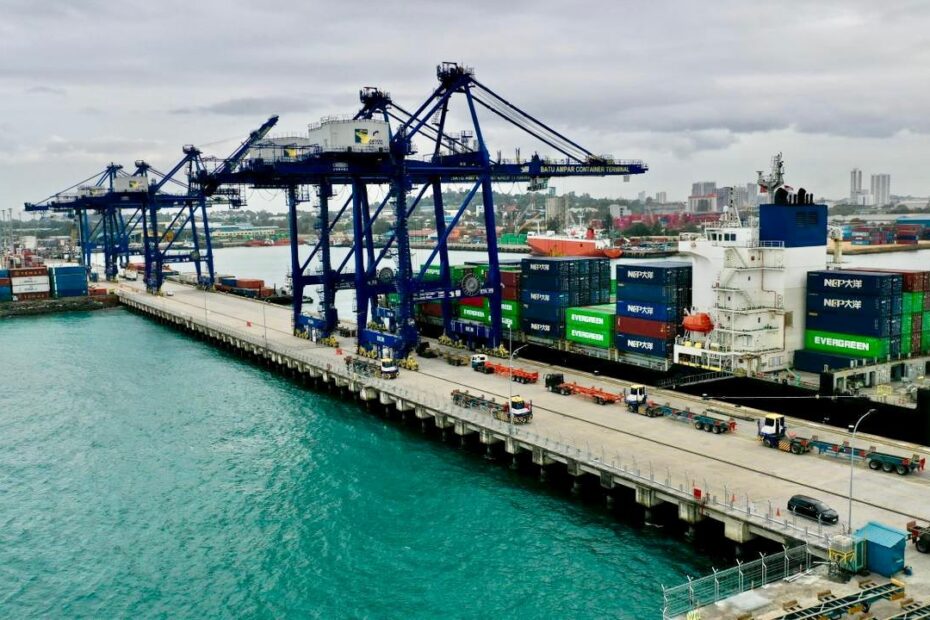
An academic says tariff adjustments and operational reforms, supported by infrastructure investment and governance improvements, could strengthen Batam’s regional competitiveness, connectivity, and long-term role as an ASEAN logistics hub
Reforms to port tariffs and operating patterns at Batam Port should be viewed as part of a long-term strategy to strengthen Indonesia’s logistics competitiveness in ASEAN rather than as a short-term cost increase, logistics academic Dian Mulyaningtyas said.
Dian Mulyaningtyas, a logistics academic at Batam Polytechnic, said port tariff adjustments and operational reforms are widely recognized as tools to improve productivity, connectivity, and long-term competitiveness when accompanied by investment in infrastructure and governance improvements.
She said theories on port competitiveness and New Institutional Economics suggest that efficient ports depend on adequate infrastructure investment, service quality, and sustainable operational management.
According to a 2023 report by the United Nations Conference on Trade and Development (UNCTAD), major ASEAN ports such as Singapore’s PSA, Malaysia’s Port Klang, and Vietnam’s Cai Mep–Thi Vai introduced tariff reforms and operational restructuring before achieving stronger connectivity and higher trade volumes.
Dian cited recent operational data showing that container throughput in Batam increased to 673,343 twenty-foot equivalent units (TEUs) in 2024 from 624,061 TEUs in 2023, an increase of about 8%. Batu Ampar Terminal handled about 84% of the island’s total container traffic.
She also said direct international shipping calls at Batu Ampar rose 212% in the January-May 2026 period from a year earlier, while container volumes increased 125%.
“These figures indicate that the market is responding positively to improvements in service quality and connectivity. The argument that tariff adjustments automatically reduce competitiveness should therefore be assessed based on empirical evidence,” Dian said in a statement on Thursday.
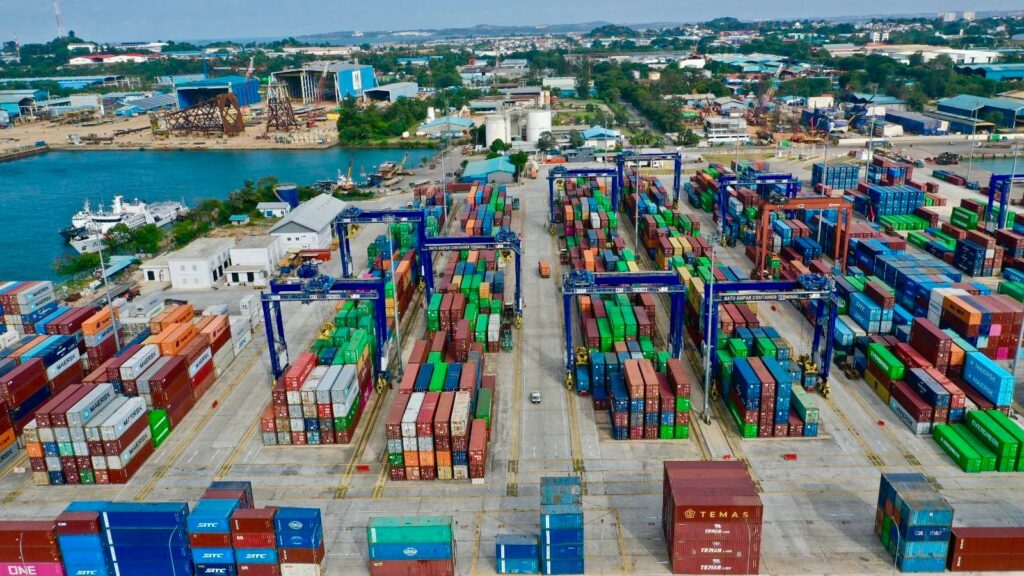
She said competitiveness among ASEAN ports depends not only on tariff levels but also on service reliability, shipping frequency, shorter dwell times, and stronger international connectivity.
UNCTAD data also show that ASEAN countries with the strongest shipping connectivity, including Singapore and Malaysia, operate ports with tariff structures that support continued investment in infrastructure and digitalization, she said.
According to Dian, international research has found a positive relationship between improvements in the Liner Shipping Connectivity Index and lower logistics costs, as well as higher trade volumes.
She said BP Batam’s strategy of strengthening operational capacity and efficiency through tariff adjustments is consistent with international practices adopted by leading ports.
“The issue is not whether tariffs should be adjusted, but whether the additional revenue is transparently reinvested in infrastructure, digitalization, productivity improvements, and international connectivity,” she said.
If implemented consistently, Dian said Batam could strengthen its position as a regional logistics hub and follow the path taken by leading ASEAN transshipment and gateway ports that have improved competitiveness through a combination of tariff reform, investment, and modernized port governance.