
Traffic on the Bakauheni–Merak ferry crossing remained smooth and under control as the bulk of travelers returned to Java following the 2026 Eid al-Fitr holiday, authorities said.
Cumulative data as of six days after Eid showed 651,195 passengers, or about 72% of outbound travelers, had returned to Java, out of 898,864 people recorded during the homecoming period from D-10 to D+6. The number of returning vehicles reached 169,385 units, or around 71% of the 239,920 vehicles that crossed from Java to Sumatra.
State ferry operator PT ASDP Indonesia Ferry said the figures reflected effective traffic management and coordination among authorities during the annual exodus.
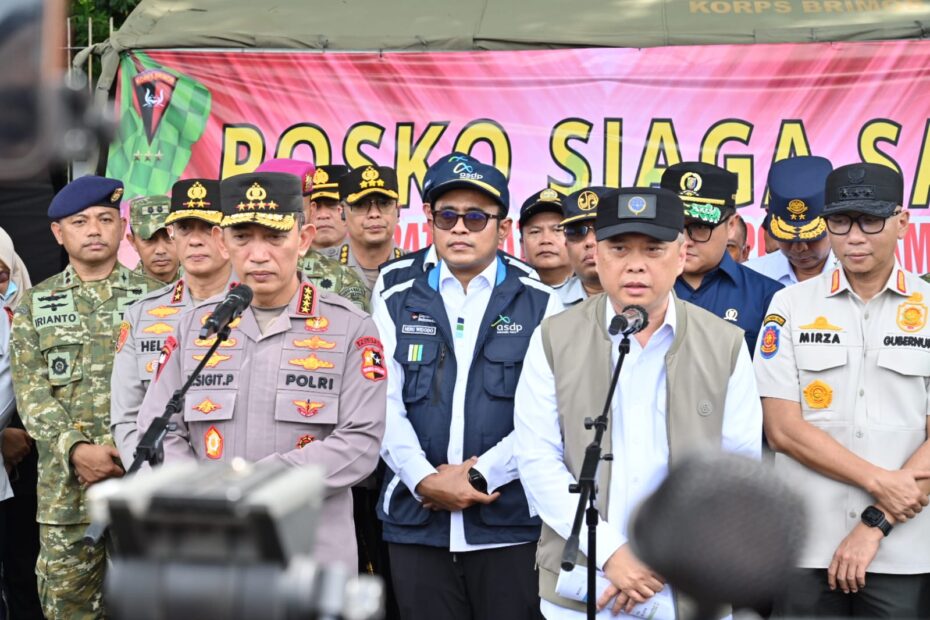
ASDP President Director Heru Widodo said services remained stable despite increased return traffic.
“The return flow has increased, but services remain smooth and evenly distributed,” he said, attributing this to coordination among stakeholders to ensure safe and comfortable travel.
National Police Chief General Listyo Sigit Prabowo said traffic conditions were largely manageable, with adaptive traffic engineering measures in place.
“In general, the return flow remains in the green category, or smooth,” he said, adding that contingency plans had been prepared in case of congestion.
On the Java–Bali route, about 51% of travelers, or 267,968 passengers and 83,357 vehicles, had returned to Java, while the remainder were expected in the coming days, authorities said.
Transportation Minister Dudy Purwagandhi said around 30% of travelers from Bakauheni had yet to return and that mitigation measures were in place.
“All schemes have been prepared, from buffer zones and delaying systems to additional vessels, to ease congestion over the next two days,” he said.
Slight Increase in Traffic
Data from Bakauheni as of March 28 showed total passenger movement from Sumatra to Java during D-10 to D+6 reached 1,085,745, up 2.1% from a year earlier. Vehicle crossings rose 4% to 259,776 units.
Passenger traffic from Java to Sumatra totaled 1,241,356, up 2.5% year-on-year, while vehicle crossings increased 6.7% to 314,209.
During the peak period, ASDP operated between 28 and 33 vessels daily on the Merak–Bakauheni route and deployed nearly 2,000 personnel to maintain operations.
ASDP Corporate Secretary Windy Andale said policies such as fare discounts and a single tariff system helped distribute traffic more evenly.
With about 28% of travelers yet to return, authorities said coordination and contingency measures would continue to ensure smooth traffic flow through the end of the holiday period.