
Public satisfaction with Indonesia’s transportation services during the 2026 Eid al-Fitr travel season remained high despite a surge in passenger traffic, according to several independent surveys released after the annual ‘mudik’ holiday travel period.
Surveys conducted by the Institut Teknologi Sepuluh Nopember (ITS), KedaiKOPI Institute and Indikator Politik Indonesia indicated that most travelers were satisfied with the government’s management of holiday transportation services across the country.
An ITS survey recorded a Public Satisfaction Index of 82.15, categorized as “good,” an increase of 3.45 points compared with the previous year. Meanwhile, KedaiKOPI reported that 88.8% of respondents were satisfied with the government’s handling of the Eid travel period.
Separately, Indikator found that 85.3% of respondents who traveled during the holiday expressed satisfaction with transportation services, while ferry services recorded a satisfaction index of 77.48.
Transportation Minister Dudy Purwagandhi said earlier that all major transport modes — land, rail, sea and air — operated smoothly during both the outbound and return travel periods, with no significant disruptions reported.
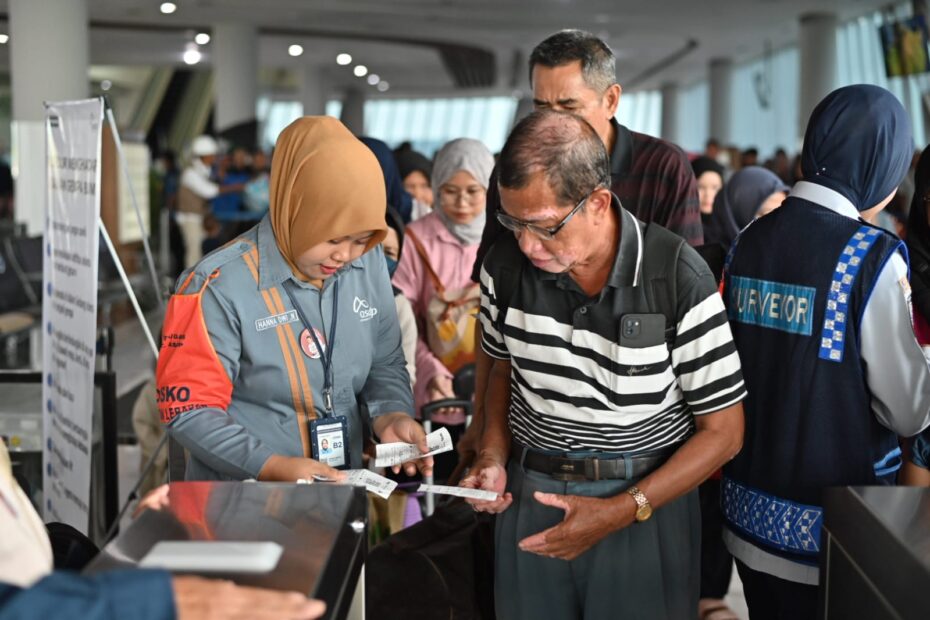
Among the operators handling the holiday surge was state-owned ferry operator PT ASDP Indonesia Ferry (Persero), which manages several of the country’s busiest ferry routes.
ASDP President Director Heru Widodo said the smooth operation during the peak travel season was the result of coordination among multiple agencies, including the Ministry of Transportation, the military and the police.
“We appreciate the support of all parties in ensuring optimal service amid high public mobility. This synergy is key to providing safe and comfortable travel,” Widodo said.
Operational pressure was highest at several major ferry terminals, including Gilimanuk Port in Bali, where congestion occurred for two days during the peak travel period. Authorities resolved the bottleneck by implementing buffer zones, accelerating services for large vehicles and prioritizing crossings for motorcycles.
ASDP implemented operational strategies at key ports including Merak Port, Bakauheni Port, Ketapang Port and Gilimanuk Port. Measures included dynamic fleet optimization, additional personnel and traffic management systems to maintain service flow during peak travel.
Stimulus Boosts Ferry Travel Demand
The company also introduced fare stimulus measures during the holiday period. According to ASDP Corporate Secretary Windy Andale, the single-fare policy combined with discounted tickets helped increase accessibility for travelers.
As of March 31, 2026, the stimulus program had reached 30.05 billion rupiah ($1.8 million), equivalent to 84.52% of the targeted allocation, while the number of beneficiaries exceeded the initial projection at 116.92%.
Digital ticketing through the Ferizy platform also helped manage passenger and vehicle flows more efficiently and reduce queues at ports during peak hours.
Across 15 monitored ferry routes, total passenger traffic from eight days before Eid until the return travel period reached 4,722,213 people, up 6.6% from 4,430,006 in the same period last year.
Vehicle crossings rose 8% to 1,215,273 units compared with 1,125,178 a year earlier.
ASDP said it will continue improving operational standards and digital services to maintain safe and reliable ferry transport during future peak travel periods.