
Container volumes exceeded expectations in July, but diesel shortages delayed truck movements, raising concerns over higher yard occupancy, slower cargo deliveries, and mounting pressure on regional logistics networks.
Teluk Bayur Container Terminal (IPC TPK Teluk Bayur) exceeded its July throughput target as resilient domestic trade supports cargo demand, although prolonged diesel shortages are beginning to disrupt container deliveries beyond the port.
The terminal, operated by IPC Terminal Petikemas (IPC TPK), handled about 11,500 twenty-foot equivalent units (TEUs) this month, well above its initial target of around 6,800 TEUs and higher than earlier months, driven primarily by steady domestic shipping services and stronger cargo flows.

Photo: Erika Sudarto, Terminal Head of IPC TPK Teluk Bayur
“We are seeing a fairly positive growth trend, so we remain optimistic that this year’s throughput target of around 114,000 TEUs can be achieved,” said Erika Sudarto, Terminal Head of IPC TPK Teluk Bayur.
About 90% of containers handled at Teluk Bayur are domestic cargoes, while the remainder consists of export and import shipments routed through Jakarta’s Tanjung Priok Port before reaching international markets.
Regular services from Indonesia’s major domestic shipping lines continue to underpin volumes. Meratus Line and Tanto Intim Line each operate four to five vessel calls every month, while Salam Pacific Indonesia Line (SPIL) calls about six times monthly. Temas Line serves the port with four scheduled services in addition to one government-supported Sea Toll route.
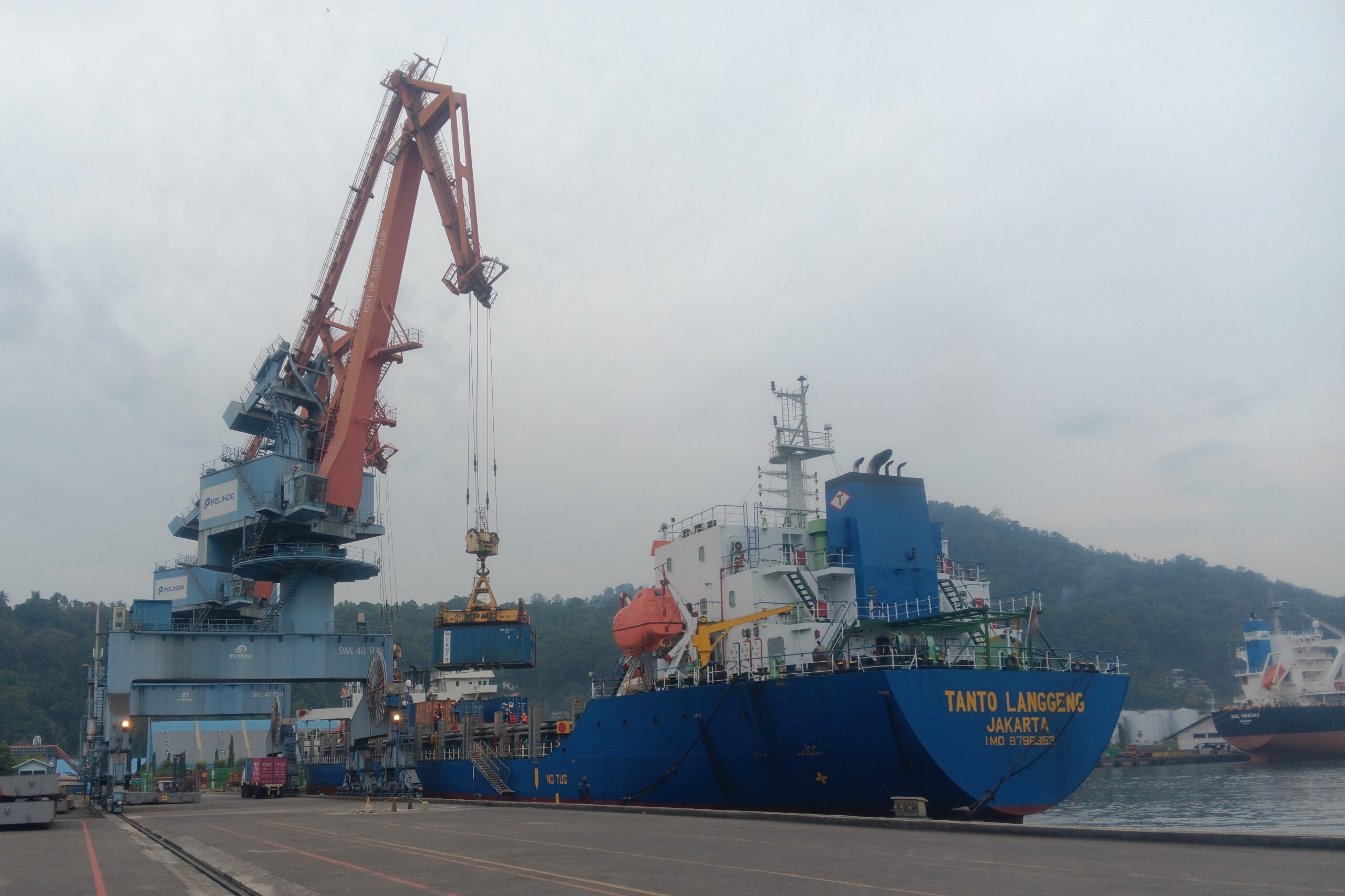
During a visit to the terminal on Thursday, the domestic container vessel Tanto Langgeng Jakarta completed cargo operations after arriving the previous evening. The vessel discharged 159 TEUs and loaded 169 TEUs before departing later in the day.
To accommodate future cargo growth, IPC TPK has proposed adding one reach stacker and one side loader under its 2027 investment plan, aiming to improve cargo-handling efficiency as container volumes continue to expand.

Photo: Erika Sudarto, Dodi Andrius, chairman of West Sumatra INSA
Industry representatives welcomed the planned investment, saying additional equipment would strengthen terminal productivity and support long-term growth.
“If possible, investment in terminal equipment should continue so port services become more efficient,” said Dodi Andrius, chairman of West Sumatra Chapter of the Indonesian National Shipowners’ Association (INSA), adding that cooperation between shipping companies and the terminal operator has remained constructive.
Diesel Shortage Raises Yard Occupancy Concerns
Amid stronger throughput, logistics operators warn that persistent shortages of subsidized diesel fuel are slowing truck movements, increasing the risk that containers remain longer inside the terminal and push up the yard occupancy ratio (YOR).
According to IPC TPK, trucking companies have struggled to obtain diesel fuel, reducing the number of trucks available for container pickup and delivery outside the port.
“Based on the information we have received, trucking companies are experiencing difficulties obtaining diesel fuel, limiting receiving and delivery operations,” Erika said.
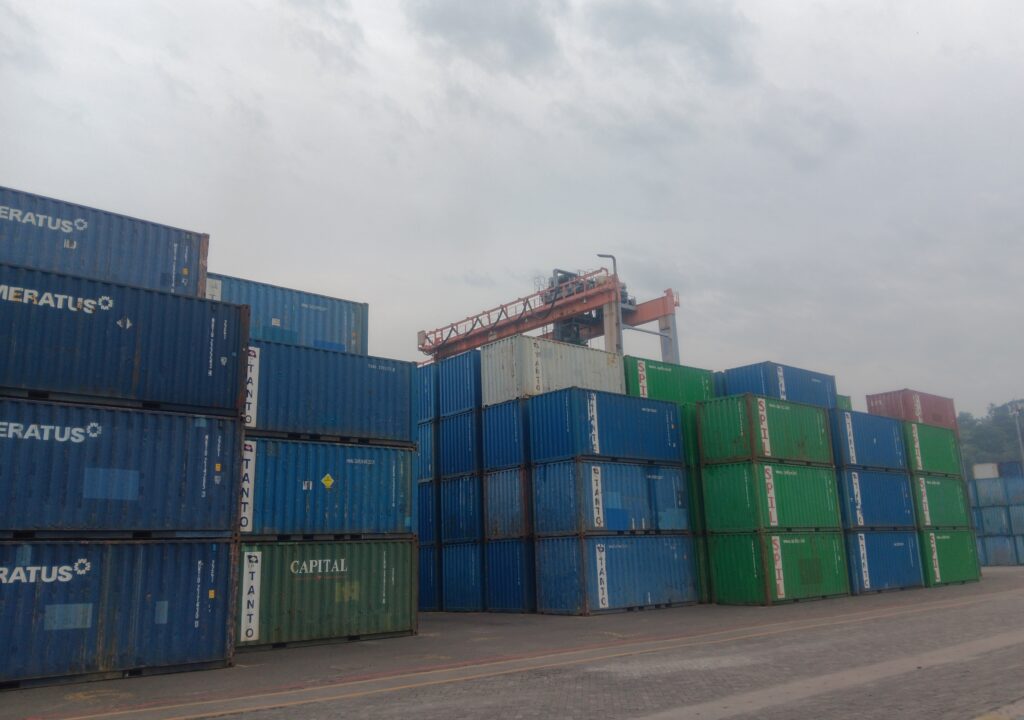
Photo: TPK Teluk Bayur Container Yard on Thursday, July 30
He said the terminal remains operational and cargo handling has not been significantly affected, although container yards appear busier than usual.
“Although the container yard appears busier than usual, the situation remains manageable and under control,” he said.
Logistics companies, however, say the disruption is occurring outside the port gates.
According to Rifdial Zakir, chairman of the West Sumatra chapter of the Indonesian Logistics and Forwarders Association (ALFI), cargo trucks have waited as long as two days to obtain subsidized diesel, sharply reducing truck utilization and delaying container movements.
“The queues for diesel fuel at filling stations have affected logistics movements, including cargo entering and leaving Teluk Bayur Port,” he said.

Photo: Rifdial Zakir, chairman of West Sumatra ALFI
The fuel shortage has persisted since early 2026 despite repeated discussions with regional authorities and lawmakers, he added.
Longer waiting times for fuel reduce the number of daily truck trips, increase transport costs and leave import containers in the terminal for longer periods. If the situation continues, industry participants say yard occupancy could rise further, potentially constraining terminal capacity even as quay-side operations remain efficient.
The situation underscores a broader challenge for Indonesia’s logistics sector, where gains in port productivity can quickly be offset by bottlenecks in supporting transport infrastructure.
For now, cargo handling at Teluk Bayur continues to run normally, but logistics operators say sustaining the terminal’s growth will depend not only on investments inside the port, but also on restoring reliable diesel supplies so containers can move efficiently between the terminal and inland destinations.