

Strategic forum between Terminal Teluk Lamong and East Java logistics operators focused on service efficiency, digital transformation, capacity optimization, and stakeholder coordination to strengthen regional supply chain competitiveness.
PT Terminal Teluk Lamong (TTL) and Indonesian Logistics and Forwarders Association (ALFI/ILFA) Chapter East Java have reaffirmed their commitment to strengthening the province’s logistics ecosystem through closer collaboration aimed at improving service efficiency and supply chain competitiveness.
The commitment was highlighted during a strategic discussion forum held on June 10, bringing together TTL management and leaders of ALFI/ILFA East Java to review logistics industry challenges, evaluate service improvements, and identify opportunities for further operational optimization.
As one of eastern Indonesia’s largest modern container terminals, TTL handled a consolidated throughput of 2.19 million twenty-foot equivalent units (TEUs) in 2025, underscoring its role in supporting domestic and international trade flows.
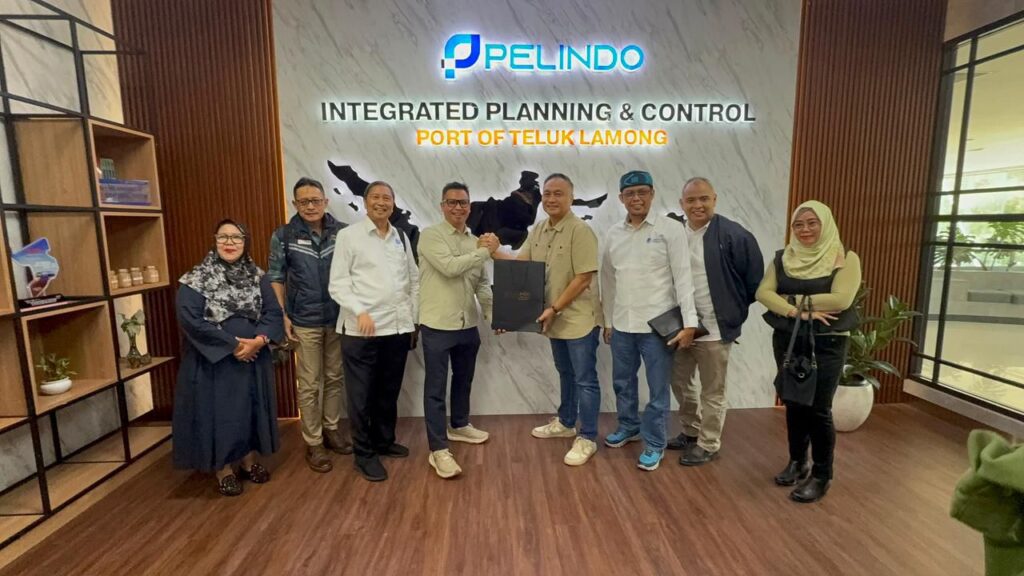
During the forum, TTL outlined several initiatives designed to improve terminal efficiency and customer service. Among them was the implementation of the second phase of its Truck Booking System (TBS) in March 2026, which schedules truck arrivals within four-hour operating windows to help distribute traffic more evenly, optimize equipment utilization, and reduce congestion at terminal gates and container yards.
The company also highlighted its Green Shelter Waiting Area, which can accommodate up to 66 trucks and provides facilities including a prayer room, restrooms, a clinic, a safety induction room, and complimentary refreshments for drivers awaiting scheduled services.
To support growing cargo volumes, TTL said it continues to optimize container yard capacity through layout improvements and more efficient use of terminal space, aiming to accelerate cargo flows while reducing dwell times.
ALFI/ILFA East Java used the forum to provide feedback on several operational issues, including truck slot allocations under the TBS, arrival time tolerance policies, transparency regarding Yard Occupancy Ratio (YOR) conditions, notification features for truck movements within the terminal, and efforts to accelerate physical inspections and import documentation processes.
TTL President Director David P. Sirait said the company would evaluate the proposals and coordinate with relevant stakeholders to support their implementation.
“Customers are our best consultants. We will review all suggestions carefully to ensure they provide benefits for service users while remaining aligned with operational requirements and applicable regulations,” David said.
He added that sustainable logistics transformation requires cooperation among terminal operators, regulators, shipping lines, logistics providers, and industry associations.
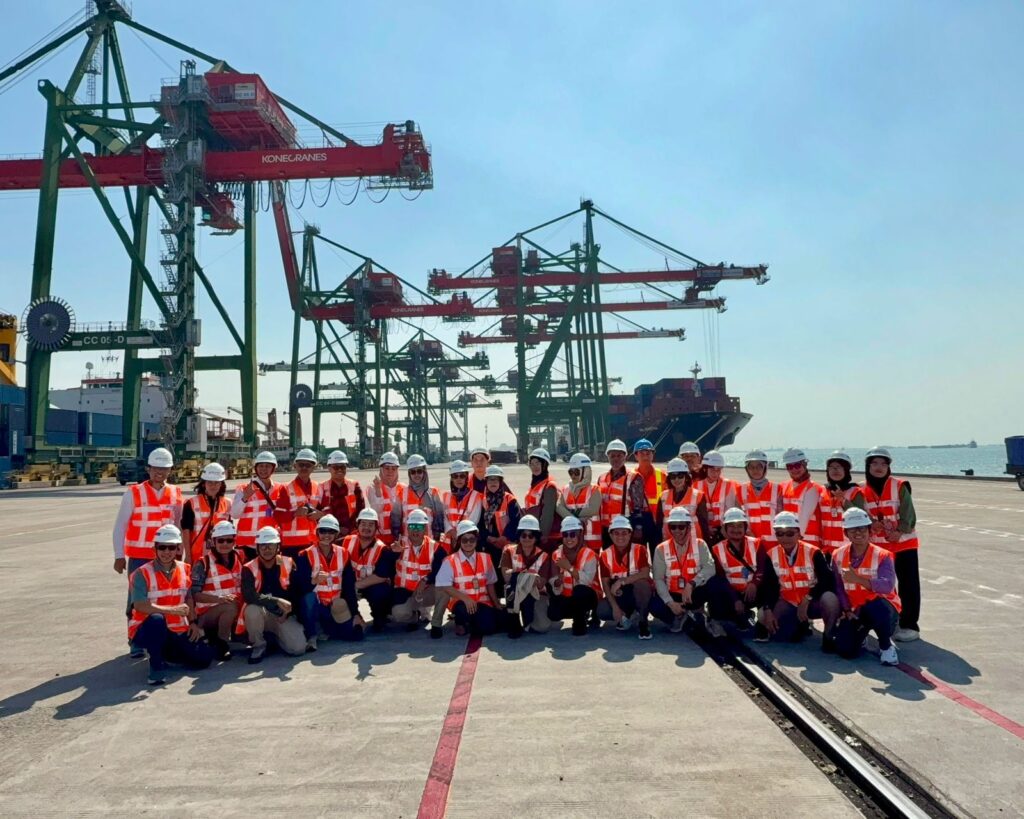
“Service transformation can only be achieved through strong synergy among stakeholders. The input and collaboration from ALFI/ILFA are valuable in helping us deliver innovations that improve logistics efficiency, strengthen port competitiveness, and support economic growth,” he said.
Sebastian Wibisono, chairman of ALFI/ILFA East Java, welcomed TTL’s efforts to improve port and logistics services, citing the implementation of the Truck Booking System, driver facilities, and yard capacity optimization as positive developments.
He said regular dialogue between terminal operators and logistics companies is essential to ensuring continuous service improvement and stronger coordination across the supply chain.
“With closer collaboration, we are optimistic that East Java’s logistics ecosystem will become more resilient, competitive, and capable of supporting Indonesia’s economic growth,” Sebastian said.
The discussion forum forms part of TTL’s broader effort to build a more integrated and efficient logistics ecosystem through ongoing engagement with industry stakeholders.