
Indonesian National Shipowners’ Association Chapter Jakarta (INSA Jaya) is urging a review of the current Yard Occupancy Ratio (YOR) policy, particularly the 65% threshold applied to terminal operations at Tanjung Priok Port.
Alongside this, the association is urging the implementation of effective measures to address the growing issue of long-stay containers.
While the 65% YOR threshold was originally introduced to prevent congestion at Indonesia’s busiest port, INSA Jaya believes that, in practice, the policy is producing unintended consequences—namely ship queues, docking delays, and mounting operational costs for shipping lines.
“The 65% YOR benchmark needs to be realigned with current on-the-ground conditions,” said Mohamad Erwin Y. Zubir, Secretary of DPC INSA Jaya, in a written statement received by Logistiknews.id.
Originally implemented by the Port Authority (KSOP) of Tanjung Priok as a contingency plan to prevent port gridlock, the policy is now facing criticism for lacking flexibility.
INSA Jaya doesn’t advocate for its removal but emphasizes the need for a holistic review that considers both sea-side and land-side dynamics to prevent the creation of new logistical challenges.
To that end, INSA Jaya has laid out several key recommendations. First, redefine the Role of YOR. Rather than serving as a cap on ship operations, YOR should function as an internal performance evaluation tool for terminals.
Second, update data. The latest YOR data for Tanjung Priok Port dates back to 2016. Updated figures are critical for accurate policy-making.
Third, establish a joint evaluation team. This team should include representatives from central authorities, port operators, and local stakeholders.
Fourth, implement digital tools. A real-time, integrated YOR monitoring system and berthing slot management platform should be introduced for better operational coordination.
“We plan to formally submit these recommendations to the INSA Central Board (DPP) and the Director General of Sea Transportation at the Ministry of Transportation,” Erwin stated.
A Call for Collaboration
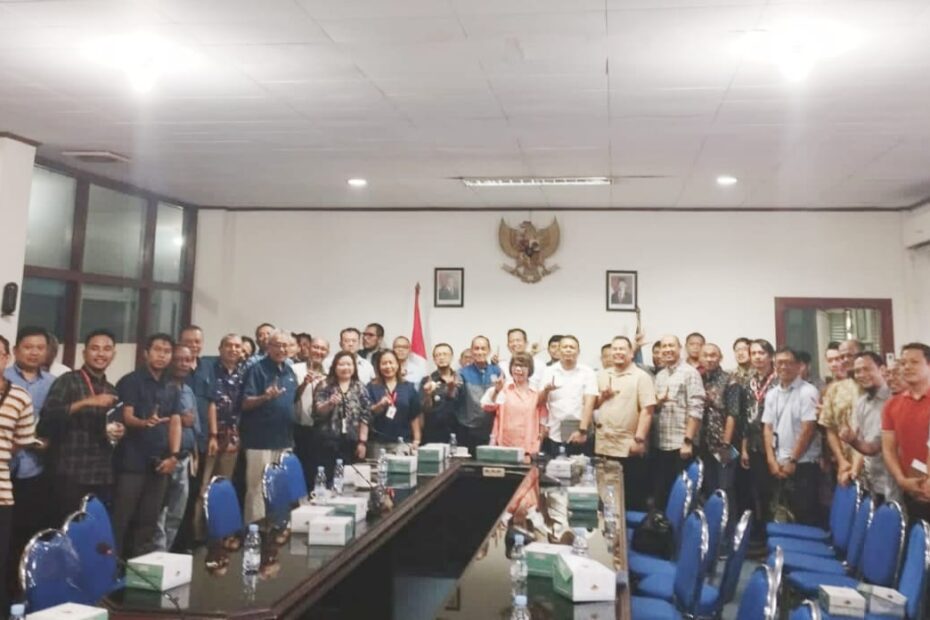
These proposals were among the central topics discussed during a recent coordination and evaluation meeting hosted by INSA Jaya.
The session brought together strategic players in the shipping and logistics ecosystem, including representatives from KSOP Tanjung Priok, Pelindo, Customs and Excise, as well as terminal operators like IPC TPK, TPK Koja, JICT, and several shipping companies.
One of the most pressing concerns raised during the meeting was the dual impact of the YOR threshold and long-stay containers, issues that directly affect the fluidity of national logistics and the efficiency of both domestic and international maritime operations.
“When long-stay containers are not swiftly cleared, the effects ripple across the supply chain—from delayed distribution and increased logistics costs to shipping schedule disruptions and goods not reaching end consumers on time,” said Erwin.
INSA Jaya stresses that resolving these challenges cannot be approached in isolation. A cross-sector, data-driven, and responsive collaboration between government agencies, businesses, port authorities, and the logistics community is essential.
“Tanjung Priok isn’t just any port—it represents the heartbeat of Indonesia’s national logistics. If we can overcome the hurdles here, it will lay the groundwork for a stronger and more resilient supply chain across the country,” Erwin said.