
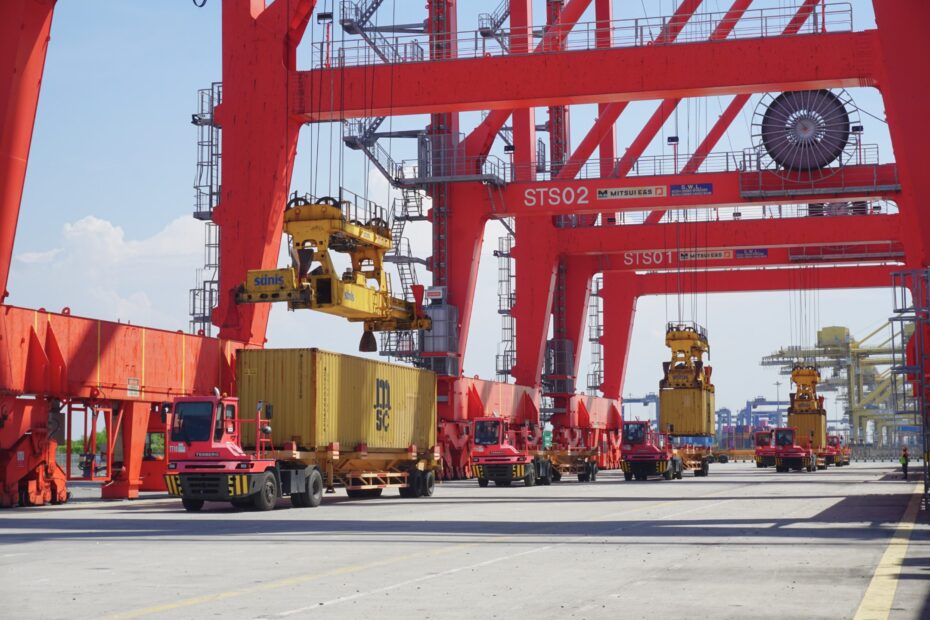
Indonesian port operator PT Pelindo Terminal Petikemas said it is confident of meeting its 2025 performance targets as container traffic strengthens across its network, supported by rising commodity shipments and growing industrial activity.
Corporate Secretary Widyaswendra said container flow across Pelindo’s terminals reached 12.12 million TEUs between January and November 2025. The company expects full-year traffic to climb to 13.13 million TEUs, up from 12.48 million TEUs in 2024.
“We are optimistic that the 2025 target of 12.95 million TEUs can be achieved, reflecting growth of around 5 percent from 2024,” he said on Wednesday.
Growth has been fuelled by stronger throughput in several regional terminals. At TPK Pantoloan in Central Sulawesi, coconut shipments jumped 52 percent in the third quarter. TPK Bumiharjo in Central Kalimantan also recorded higher traffic as plywood exports to Korea and China increased.
In West Sumatra, TPK Teluk Bayur saw rubber volumes rise 20 percent, perlite climb 45 percent, and animal feed shipments more than double. Rising ship calls and new service routes are also lifting activity; Teluk Lamong Terminal handled at least 26 vessel calls between January and September.
“Significant growth occurred at TPK Semarang, supported by expanding industrial output around the Kendal, Sayung and Batang industrial estates,” Widyaswendra added.
Mirroring Economic Trends
Economists say the improving flow of goods through the country’s ports reflects broader momentum in Southeast Asia’s largest economy. Indonesia posted 5.04 percent year-on-year GDP growth in the third quarter of 2025.
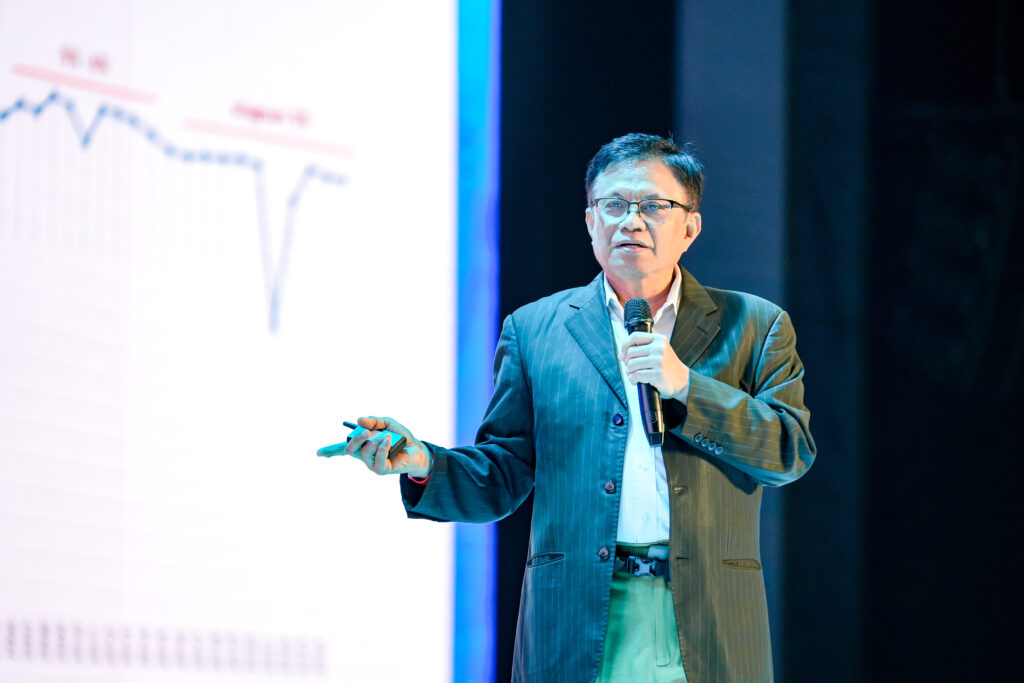
Didik J. Rachbini: “The increase in container flow will move in line with national economic growth.”
“The increase in container flow will move in line with national economic growth,” said Didik J. Rachbini, senior economist at the Institute for Development of Economics and Finance (INDEF). He said stronger industrial production is essential to sustaining growth.
Rachbini pointed to Indonesia’s nickel downstreaming programme as an example of how industrial policy can reshape export performance. Exports of nickel-based products reached USD 33.9 billion in 2024, soaring from USD 3.3 billion in 2017.
“Industry, investment and exports to global markets are the key to pushing growth towards eight percent,” he said. “Container traffic is the logistical backbone. Without industrial activity, such targets are difficult to achieve.”
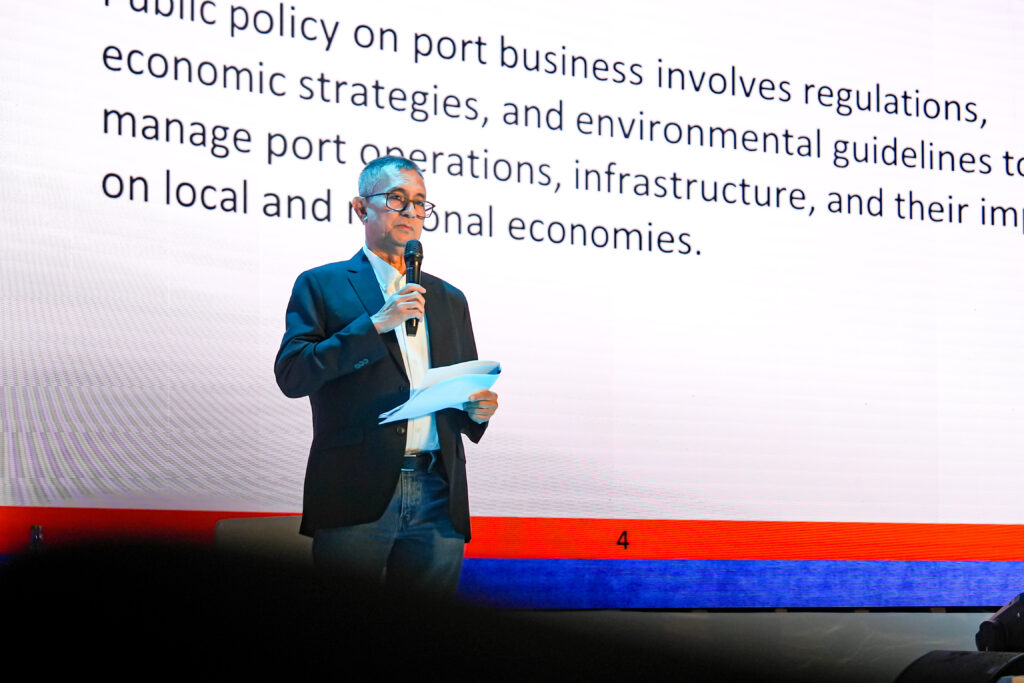
Agus Pambagio: “Improving port infrastructure and supporting logistics facilities is critical.”
Policy analyst Agus Pambagio, Managing Partner at PH&H Public Policy Interest Group, said improving port infrastructure and supporting logistics facilities is critical if Indonesia is to remain competitive.
He urged policymakers to ensure major ports evolve into effective transshipment hubs and warned that inconsistent regulations could hamper investment.
“Policies and regulations must be aligned to support the investment climate,” he said. “Don’t focus only on building infrastructure that later ends up under-utilized.”