
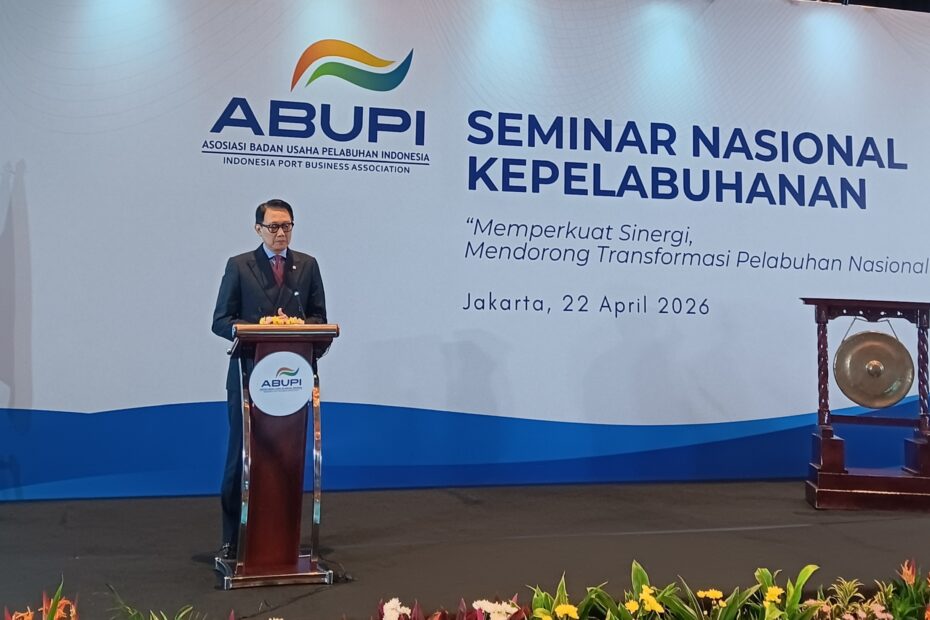
Indonesia should prioritize the development of major hub ports to strengthen its position in global trade, a senior official said, noting the country’s limited integration into international shipping routes.
Vice Foreign Minister Aris Havas Oegroseno said Indonesia currently lacks a main hub port along key global navigation lanes, putting it at a disadvantage compared with neighboring countries.
“Main hub ports along global navigation routes are in Asia, but none are in Indonesia,” Havas said at a national seminar on port development, entitled ‘Strengthening Synergy, Encouraging Port Transformation’ hosted by Indonesian Port Business Association (ABUPI) today, April 22, 2026.
He added that many large vessels bypass Indonesian ports in favor of established regional hubs, limiting the country’s role in international shipping networks.
Industry players and policymakers say transforming the port sector is critical for boosting competitiveness, as global logistics competition intensifies and trade flows become more complex.
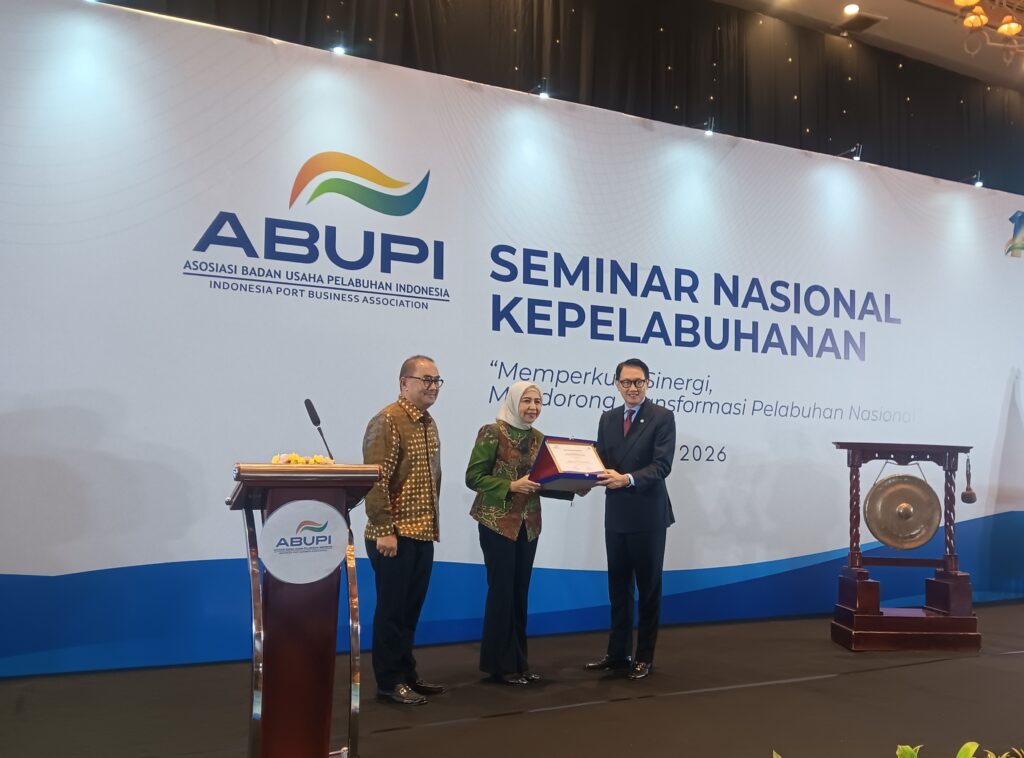
Liana Trisnawati, chairperson of the Indonesian Port Business Association, said ports must evolve beyond their traditional role as cargo handling points to become strategic drivers of economic growth.
“If we want to improve economic competitiveness, the port sector must be a priority,” she said. “Ports are not just places for loading and unloading goods, but are at the forefront of building global competitiveness.”
The government aims to reduce national logistics costs to about 12% of gross domestic product, a target that depends heavily on improving port efficiency, integration and connectivity, Liana said.
She stressed that upgrading infrastructure alone would not be sufficient, and called for stronger links between ports, industrial zones and other parts of the supply chain.
“Port development is not just about hardware. Connectivity and synergy across the sector are equally important,” she said.
As an archipelagic country with thousands of islands, Indonesia faces a strategic choice in shaping its port system, Havas said: whether to maintain a large number of smaller ports or focus resources on developing one or two major hub ports capable of serving global shipping lines.
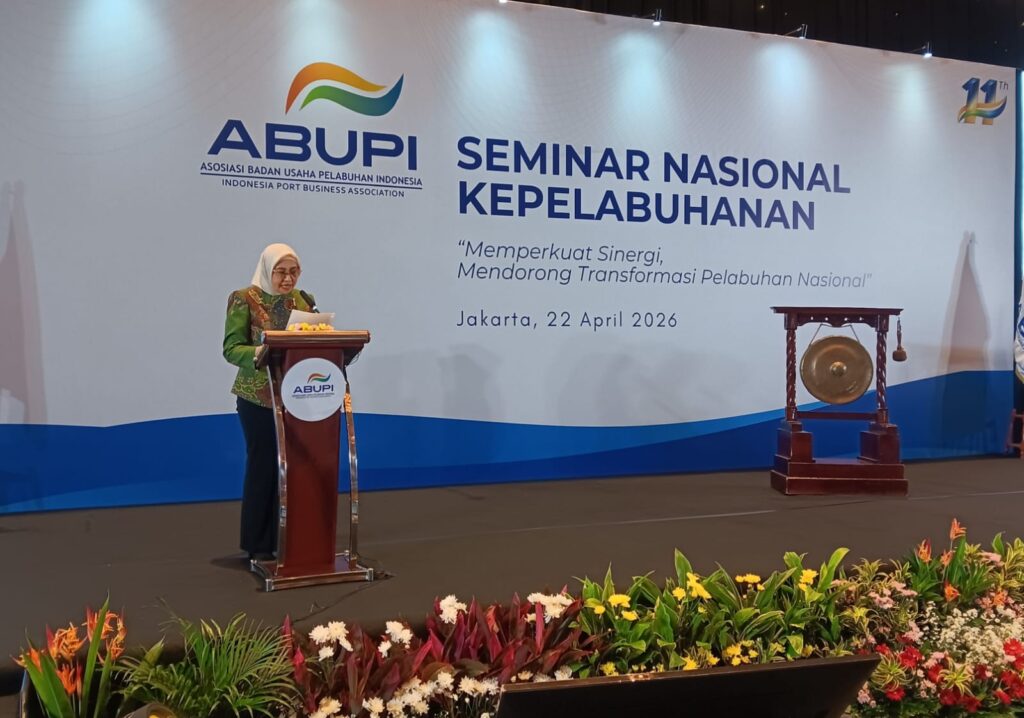
He said successful hub ports must meet several criteria, including proximity to major shipping routes, channel depths of around 20 meters to accommodate large vessels, and competitive service tariffs. They also require strong hinterland support from industrial areas and partnerships with global shipping alliances.
“If this strategy is implemented consistently, within 10 years we can have a strong hub port,” Havas said.
Muhammad Masyhud, Director General of Sea Transportation at the Ministry of Transportation, said ports are central to Indonesia’s logistics system but continue to face structural challenges.
Indonesia has around 3,000 ports, but that number remains insufficient relative to the country’s many inhabited islands, contributing to uneven connectivity and high distribution costs, he said.
“There are many ports, but they are still insufficient compared to the number of inhabited islands. This creates challenges for national logistics connectivity,” Masyhud said.
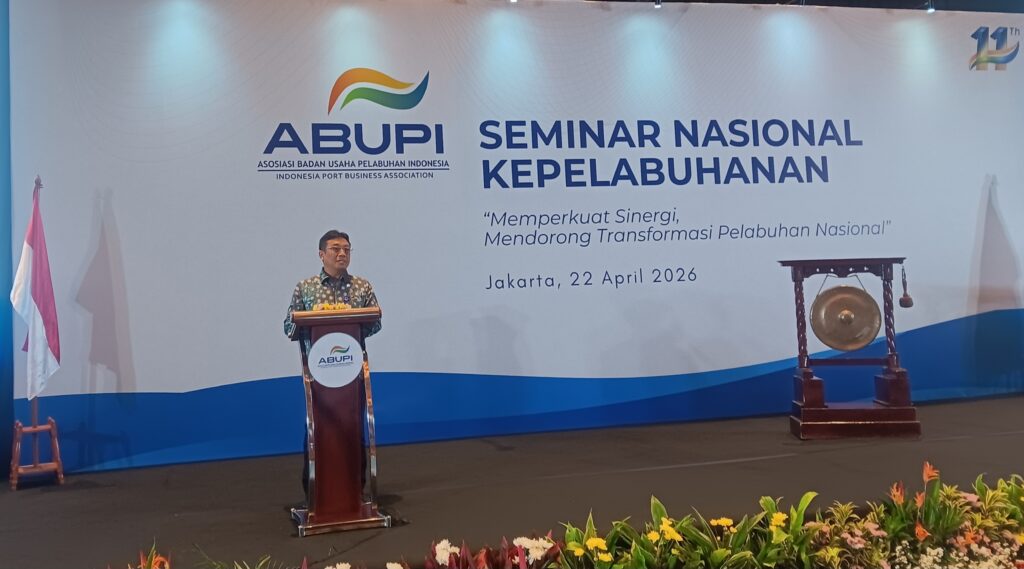
He added that improving operational quality and accelerating the digitalization of port services are key government priorities to boost efficiency and speed up cargo flows.
Stakeholders at the seminar, themed “Strengthening Synergy, Encouraging Port Transformation,” said stronger coordination between government agencies, private sector players and maritime stakeholders will be essential to drive reform.
The Indonesian Port Business Association said it plans to formulate strategic recommendations based on discussions at the event to support the transformation of the sector.
Analysts say Indonesia’s geographic position along major maritime routes offers significant potential, but realizing that advantage will require sustained investment and policy consistency.
Without major hub ports, Indonesian exports often rely on transshipment through foreign ports, adding time and cost to supply chains. Developing competitive hub facilities could help the country capture more value from global trade flows while improving domestic logistics efficiency.
Officials say that aligning infrastructure development with regulatory reform and industry collaboration will be crucial if Indonesia is to strengthen its role in international shipping and reduce its reliance on external hubs.