
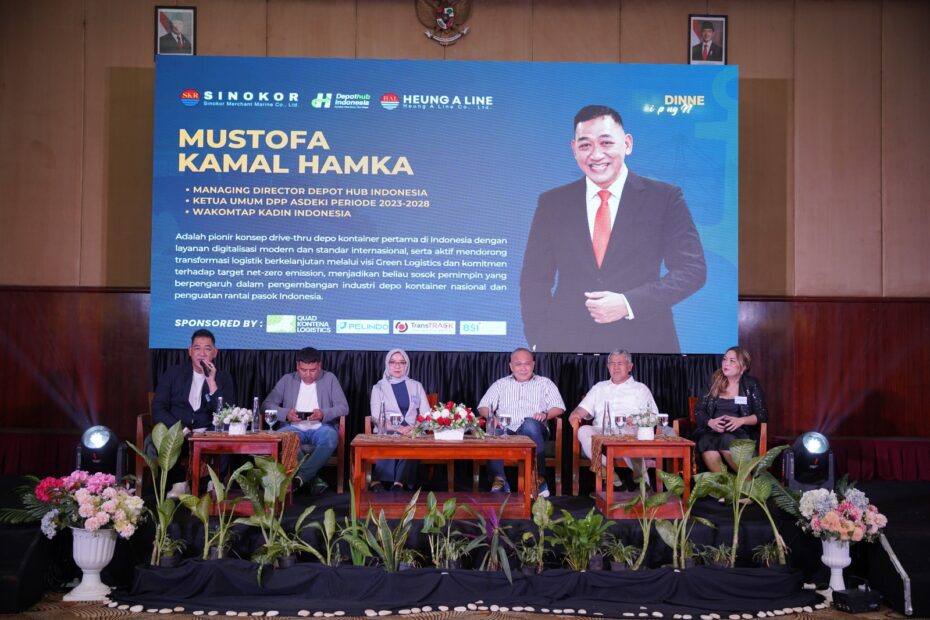
Depot Hub Indonesia, Sinokor, and Heung A Line convened maritime stakeholders in Semarang to discuss digital transformation, supply chain integration, operational efficiency, and the future competitiveness of Indonesia’s logistics sector.
Digital transformation is becoming a central priority for Indonesia’s maritime logistics industry as businesses seek to improve supply chain efficiency and strengthen competitiveness amid rising trade volumes and evolving global market demands.
The issue took center stage at the “Strategic Talk Show: The Digital Anchor,” held alongside the Gala Dinner & Shipping Nite event in Semarang on Wednesday. Organized by PT Depot Hub Indonesia in collaboration with international shipping companies Sinokor Merchant Marine Co., Ltd. and Heung A Line Co., Ltd., the forum brought together regulators, port operators, shipping lines, logistics providers, and container depot operators to discuss the industry’s future direction.
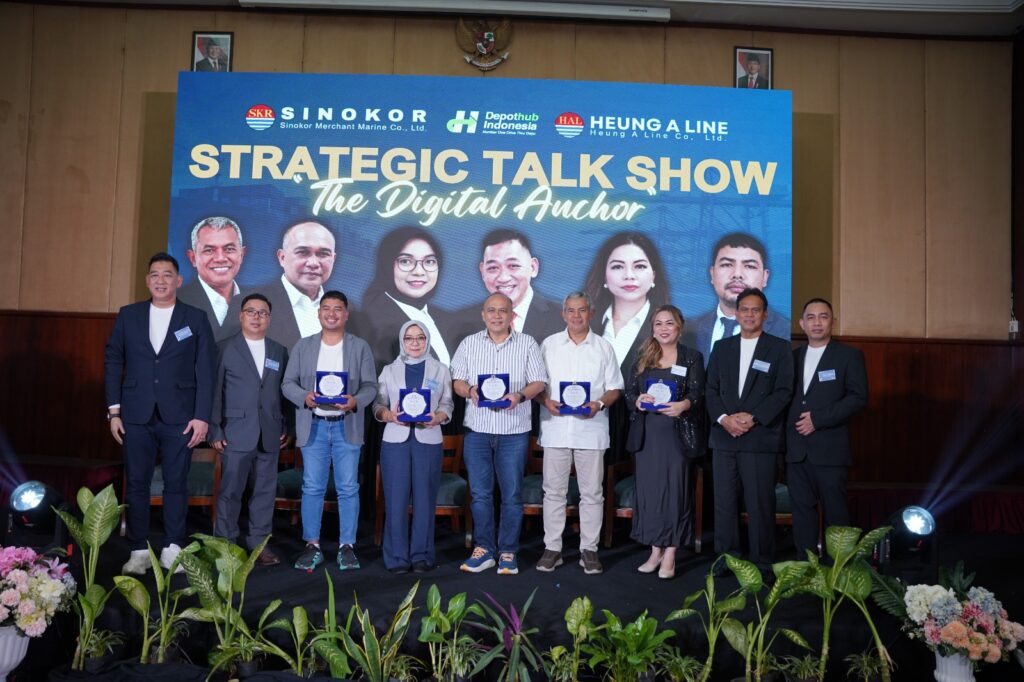
Held under the theme “Anchoring Excellence: Navigating the Future of Maritime Logistics,” the event focused on the opportunities and challenges facing Indonesia’s logistics sector, with discussions centering on digitalization, operational efficiency, and supply chain connectivity.
Muhammad Syahrul Sembiring, Commissioner of PT Depot Hub Indonesia, said the logistics industry is entering a period of rapid change that requires businesses to adapt to technological advances and shifting global trade dynamics.
“Industry players must be able to navigate ongoing changes. Collaboration, digitalization, and adaptability are becoming increasingly important in strengthening the competitiveness of Indonesia’s maritime sector,” he said.
The forum featured speakers representing a broad range of stakeholders, including the Diky Eka Kunarko Putra, Head of Sea Traffic at Tanjung Emas Port Authority and Harbormaster Office (KSOP); S. Joko, General Manager of Pelindo Regional 3 Tanjung Emas; I Nyoman Sutrisna, Terminal Head of Terminal Petikemas Semarang; Teguh Arif Handoko, Chairman of Indonesian Logistics and Forwarders Association (ALFI/ILFA) Central Java and Yogyakarta; Supriyono MM, Chairman of Indonesian Trucking Association (Aptrindo) Tanjung Emas Semarang; Indriastini Dyah Kusumawati, Branch Head of Sinokor and Heung A Line Semarang; and Vera Marini Sianipar, President Director of PT Global Inspeksi Sertifikasi. .
Participants broadly agreed that greater digital integration across logistics processes will be essential to improving cargo flows, increasing service transparency, and reducing costs throughout Indonesia’s supply chain network.
Mustofa Kamal Hamka, Managing Director of Depot Hub Indonesia, said digitalization is no longer optional for logistics companies seeking to remain competitive.
According to him, modernizing container depot management systems can improve operational efficiency while supporting broader efforts to strengthen national supply chains.
He added that digital-based operational systems enable administrative processes, container inspections, and equipment movements to be handled more quickly and accurately, helping businesses meet growing customer demands for speed, reliability, and data transparency.
Beyond digitalization, sustainability also emerged as a key discussion point. Industry participants highlighted the importance of improving resource efficiency, eliminating non-value-added processes, and enhancing overall service quality as part of the sector’s long-term transformation.
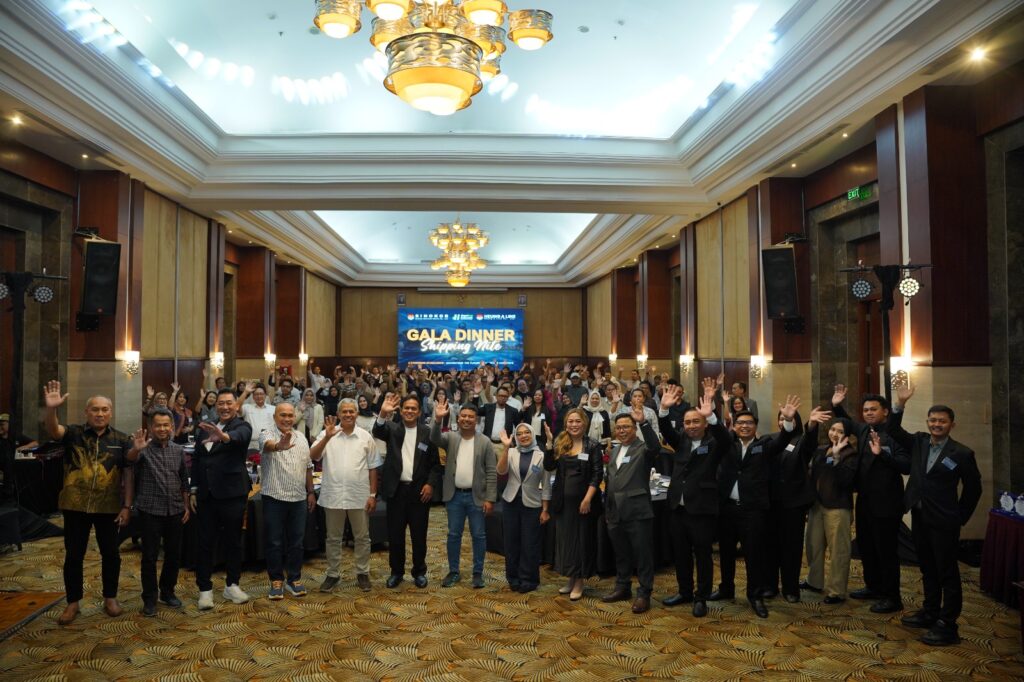
The discussion drew active participation from representatives of shipping companies, terminal operators, logistics providers, and land transportation businesses, while also serving as a platform to strengthen communication among stakeholders involved in Indonesia’s cargo distribution network.
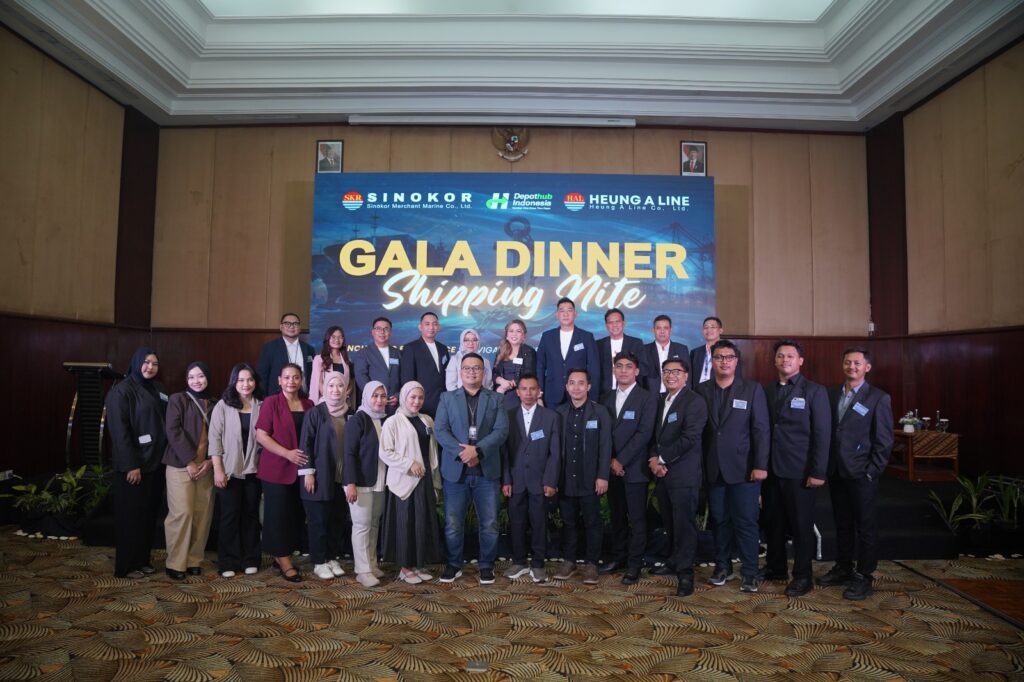
The event concluded with the Gala Dinner & Shipping Nite session, providing participants with opportunities to expand business networks and explore new partnerships amid a rapidly evolving maritime logistics landscape.
Industry stakeholders said stronger collaboration among regulators, port operators, shipping companies, depot operators, and logistics service providers will be critical to addressing increasingly complex global challenges and building a more efficient and competitive logistics ecosystem.
As Indonesia seeks to strengthen its position within regional and global supply chains, participants said digital transformation and cross-sector collaboration will remain key pillars supporting the future growth of the country’s maritime logistics industry.