
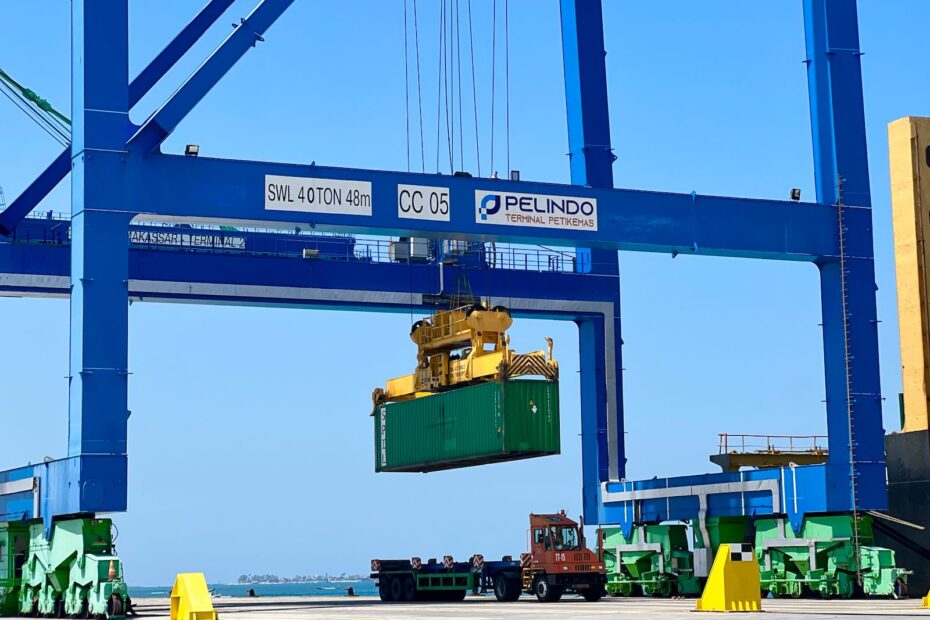
rowth in container, passenger, and vessel traffic highlights resilient logistics activity and strengthening connectivity across eastern Indonesia’s port network
PT Pelabuhan Indonesia (Persero) Regional 4 reported growth in container, passenger, and vessel traffic during the first five months of 2026, supported by increased logistics activity and public mobility across eastern Indonesia.
Container throughput at ports operated by Pelindo Regional 4 and its subsidiaries rose 2.1% year-on-year during the January–May period, while passenger traffic increased 10.2% and vessel calls grew 6%, according to operational data released by the company.
The performance reflects continued demand for logistics services and maritime transportation in eastern Indonesia, despite broader economic and trade challenges, Pelindo Regional 4 said.
“Amid various economic challenges and trade dynamics, we have been able to maintain growth across several key indicators. This demonstrates that the port ecosystem in Region 4 continues to develop positively and contributes to national connectivity, particularly in eastern Indonesia,” Regional 4 Executive Director Abdul Azis said in a statement.
Container traffic growth was driven by several ports that recorded strong operational performance during the period.
Kendari posted the highest growth rate, supported by additional container volumes from services operated by PT Meratus. Other major contributors included Merauke, where activity was boosted by national strategic development projects in South Papua; Manokwari, which benefited from construction-related cargo linked to public infrastructure projects; Sorong, which recorded higher transshipment activity; and Parepare, which handled increased shipments of rice and other essential commodities.
Passenger traffic recorded the strongest increase among the company’s key operational indicators, rising 10.2% from the same period last year.
Kendari led passenger growth following the opening of the Kendari–Wawonii route through Pangkalan Perahu. Balikpapan also recorded a significant increase in passenger movements during the Eid holiday season and long weekends, while Ambon benefited from higher demand for services operated by state-owned passenger shipping company Pelni and pioneer vessels.
Additional passenger growth was recorded in Ternate, supported by the implementation of an electronic ticketing system, and in Parepare, which experienced increased travel demand during the Eid homecoming period.
Vessel traffic across Pelindo Regional 4’s network increased 6% year-on-year through May, reflecting sustained maritime activity across commercial, logistics, and passenger transport segments.
Balikpapan recorded the strongest vessel traffic performance, supported by increased movements of coal barges and passenger ships. Ternate followed with growth in passenger vessel calls and activity at Lawui Port, while Samarinda recorded higher tugboat and barge traffic in the Muara Muntai and Muara Pegah areas.
Bontang saw growth in bulk carrier and tugboat-barge operations, while Ambon benefited from increased activity involving roll-on/roll-off vessels, passenger ships, and fuel tankers.
Based on operational performance through May, the top-performing ports for vessel traffic were Balikpapan, Ternate, Samarinda, Bontang, and Ambon. In container traffic, the strongest performers were Kendari, Merauke, Manokwari, Sorong, and Parepare. For passenger traffic, the leading ports were Kendari, Balikpapan, Ambon, Ternate, and Parepare.
Yusida M. Palesang, Head of Operations Division at Pelindo Regional 4, said the results reflected close coordination between Pelindo Regional 4 and its subsidiaries in improving operational efficiency and service quality across the port network.
“We continue to strengthen operational services, improve productivity, and maximize market opportunities in each working area. The positive growth in container and passenger traffic demonstrates the effectiveness of these efforts,” Yusida said.
Pelindo Regional 4 plans to continue enhancing port services through infrastructure upgrades, digitalization initiatives, and collaboration with government agencies and industry stakeholders to support more efficient logistics operations.
The company said strengthening maritime connectivity remains a priority as Indonesia seeks to improve supply chain efficiency and support economic development across its eastern regions.
Regional 4 covers some of Indonesia’s most strategically important ports outside Java, serving as a gateway for trade, passenger mobility, and cargo distribution across Sulawesi, Kalimantan, Maluku, Papua, and surrounding areas.