
Indonesia’s logistics industry has pushed back against proposals to suspend the Directorate General of Customs and Excise (DJBC) or replace its functions with a foreign agency, calling the option a threat to national economic sovereignty.
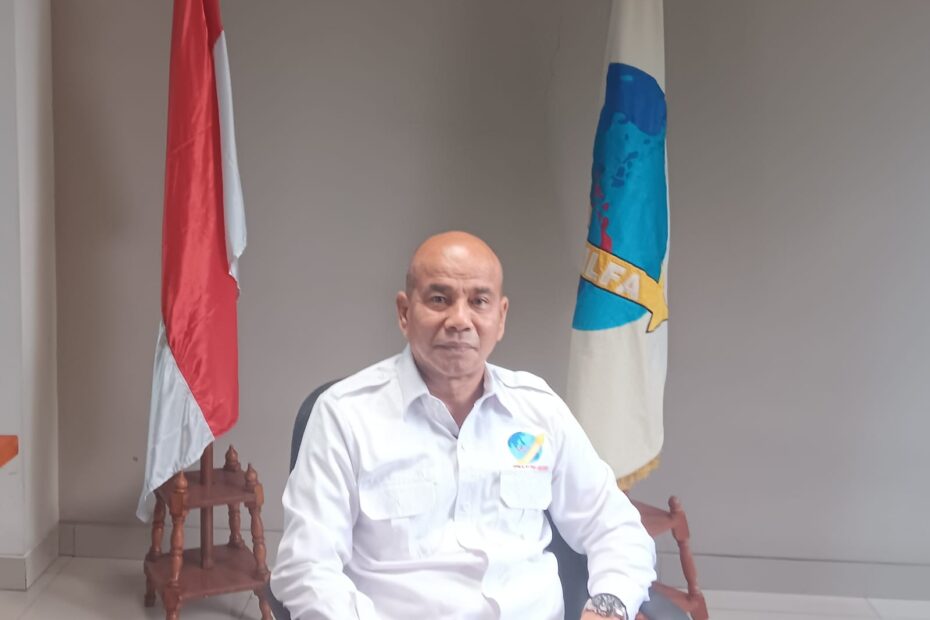
Adil Karim, chairman of the Jakarta chapter of the Indonesian Logistics and Forwarders Association (ALFI), said on Tuesday that the DJBC had made “significant” progress in digitalisation and service improvements in recent years, even as gaps remain.
“If there are shortcomings, the solution is to strengthen oversight — not freeze the institution or hand its duties to a foreign entity,” Adil said. “This concerns our economic sovereignty and our independence in global trade.”
His remarks followed comments from Finance Minister Purbaya Yudhi Sadewa, who warned that DJBC could be suspended within a year if it fails to improve performance. Purbaya also floated the possibility of shifting customs functions to Swiss-based SGS, a global testing and inspection company that previously supported Indonesia’s customs operations in the 1980s.
Public scrutiny over a series of misconduct cases at the Directorate General of Customs and Excise (DJBC) has angered Purbaya, who in recent months has carried out frequent spot checks at customs offices.
Purbaya has warned that he could suspend the DJBC if its performance does not improve within a year. He also indicated he is open to handing customs functions to Swiss-based SGS (Société Générale de Surveillance) should reforms stall and public dissatisfaction persist.
SGS, founded in 1878 in Geneva, is one of the world’s largest testing, inspection, verification and certification firms. The company previously assisted Indonesia’s customs operations in the early 1980s, when widespread illegal fees, under-valuation of goods and collusion between importers and port officials severely eroded state revenue.
Purbaya acknowledged that replacing DJBC with SGS would have significant consequences, potentially affecting at least 16,000 customs employees who could face suspension.
Industry Warns of Foreign Dominance
Adil said domestic logistics companies already face stiff competition from foreign operators, whose presence dominates key market segments. Turning customs oversight over to a foreign entity, he argued, would further weaken Indonesia’s control over trade.
“Logistics activities are already largely controlled by foreign players. If the supervising agency is also foreign, what will happen to our trade sovereignty?” he said. He urged the government to remove rogue individuals within DJBC rather than penalise the institution’s 16,000 employees.
Calls for Regulatory Reform
ALFI said it supports reforms within DJBC, particularly greater transparency in designing new regulations. Adil urged the government to hold public consultations with industry groups before implementing rules — including import restrictions (Lartas) that are mandated by multiple ministries and agencies.
“If the system is tightened and made more transparent, Lartas regulations will stand firmly and cannot be negotiated,” he said.
Adil noted that the finance minister’s remarks should be viewed as a warning rather than a final decision. “We believe the minister’s statement remains conditional. All parties, especially DJBC, must improve,” he said.
Purbaya’s frustration followed a series of scandals involving customs officers and his own spot checks at customs offices in recent months. He acknowledged that replacing DJBC with SGS — if ultimately pursued — could affect at least 16,000 employees who may face suspension.
ALFI said the episode should serve as a reminder for DJBC to accelerate internal reforms and avoid repeating the circumstances that led to SGS’s involvement in Indonesian customs operations in the 1980s.