
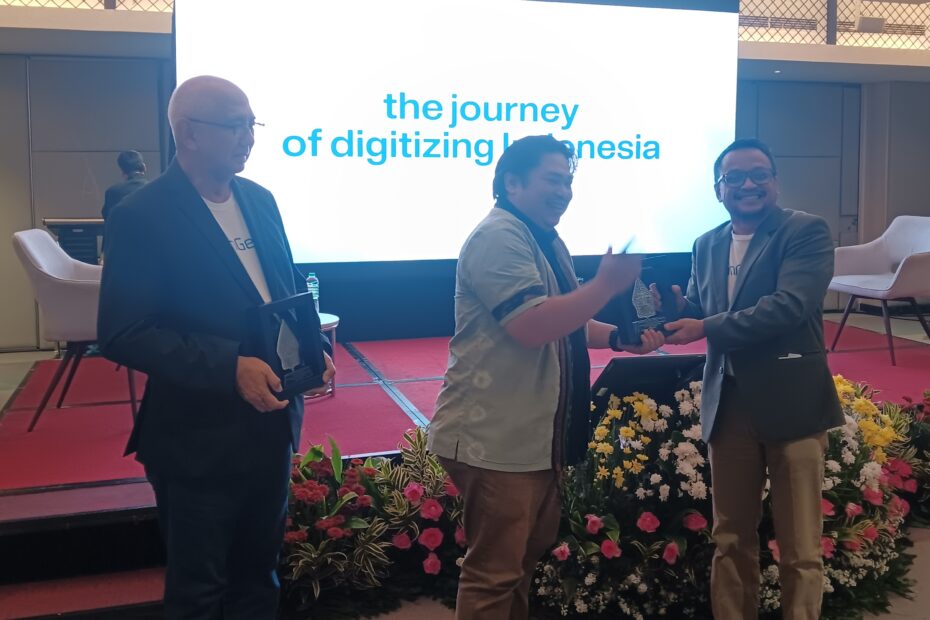
Indonesia’s pioneer in export import digitalization – PT Electronic Data Interchange Indonesia (EDI Indonesia), has marked three decades of operation, celebrating its role in transforming the nation’s trade (export import) and logistics infrastructure through digital innovation.
Founded in 1995, the company was launched to meet the urgent need for a reliable electronic data interchange (EDI) system at a time when Indonesia’s trade processes were largely manual.
Today, EDII stands as a pillar in the country’s national digital trade architecture, supporting systems that underpin import-export flows.
“Thirty years is not a short time. This journey is full of challenges, but also full of progress,” said Urip Nurhayat, President Director of EDI Indonesia, during a modest but symbolic anniversary forum held in Jakarta under the theme “Celebrating Legacy, Inspiring the Future.”
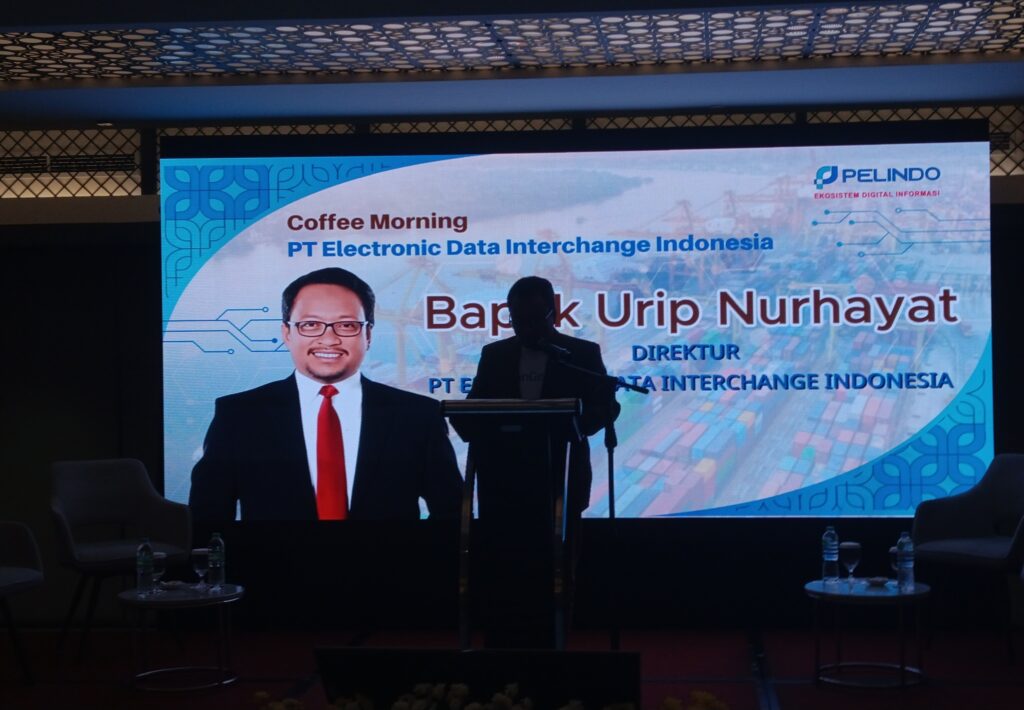
Urip highlighted the company’s evolution, from the early implementation of EDI to deeper integration with the Indonesia National Single Window (INSW), as a reflection of the nation’s broader push toward digital efficiency and trade competitiveness.
The event drew key figures from customs authorities, logistics providers, IT firms, and trade associations. It also served as a platform for regional dialogue, with representatives from partner countries in Southeast Asia.
Regional Backbone
Among the international attendees was Francis Norman Lopez of the Philippines’ Intercommerce Network Service, who underscored the significance of Indonesia’s leadership in regional trade digitalization.
“Indonesia is one of pioneers in the digital transformation of trade in Southeast Asia,” Lopez said. “Our partnership over the past 30 years has laid the groundwork for an integrated and efficient ASEAN Single Window.”
Regional data exchange, once viewed as a technical goal, is now recognized as a foundation of trust that binds national trade systems across borders, he added.
Legacy of INSW, CEISA, NLE
Indonesia’s digital trade infrastructure is now anchored by the INSW platform, a digital gateway that connects over 20 government agencies and streamlines regulatory processing.
Wawan Ismawandi, Director of Information Technology at the INSW agency, said the system is central to Indonesia’s National Logistics Ecosystem (NLE) initiative.
“INSW bridges the gap between regulators and business actors,” he said. “But for digitalization to be sustainable, we must ensure continuous collaboration between agencies.”
The customs authority has also seen major strides. Since launching the CEISA (Customs-Excise Information System and Automation) platform in 2013, the Directorate General of Customs and Excise has expanded its digital capabilities dramatically. CEISA 4.0 now supports half a million simultaneous users, up from just 5,000 in its early days.
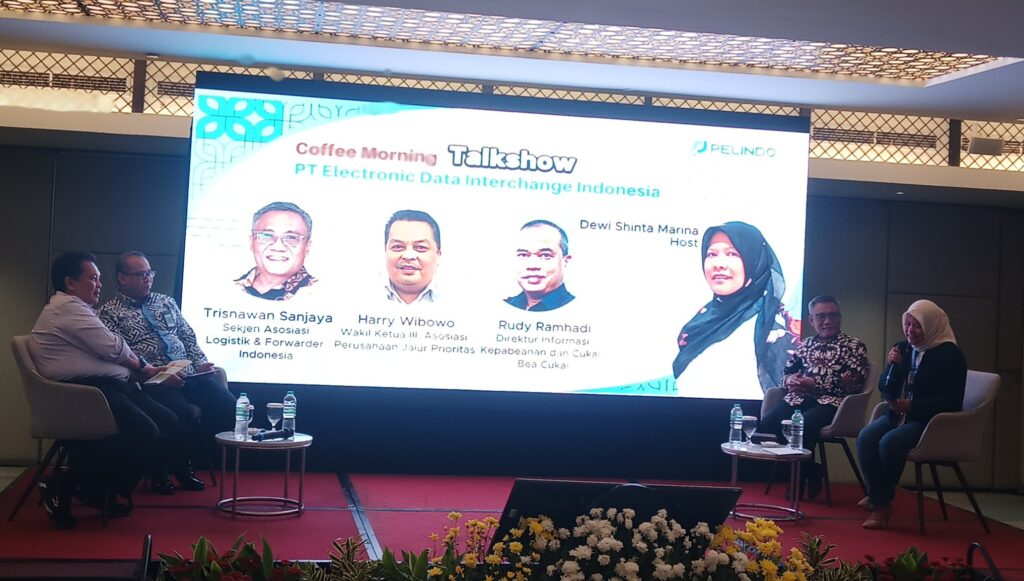
“We’ve left many manual processes behind,” said Rudy Rahmadi, Director of Information and Customs. “But digitalization isn’t just about systems, it’s about shifting mindsets and workplace cultures.”
Future Integrated System for Current Challenges
Despite progress, full integration remains elusive. According to Harry Wibowo from the Priority Route Companies Association (APJP), many digital systems still operate in silos, lack real-time connectivity, and rely on physical documentation in critical stages.
“We need a unified interface, like QRIS in the financial sector, that consolidates all components into a single platform,” he said.
Micro, small, and medium-sized enterprises (MSMEs) are particularly vulnerable to being left behind in this transition. Trismawan Sanjaya, Secretary General of the Indonesian Logistics and Forwarders Association (ALFI), said that while larger companies are generally well-prepared, many MSMEs lag in adopting digital tools.
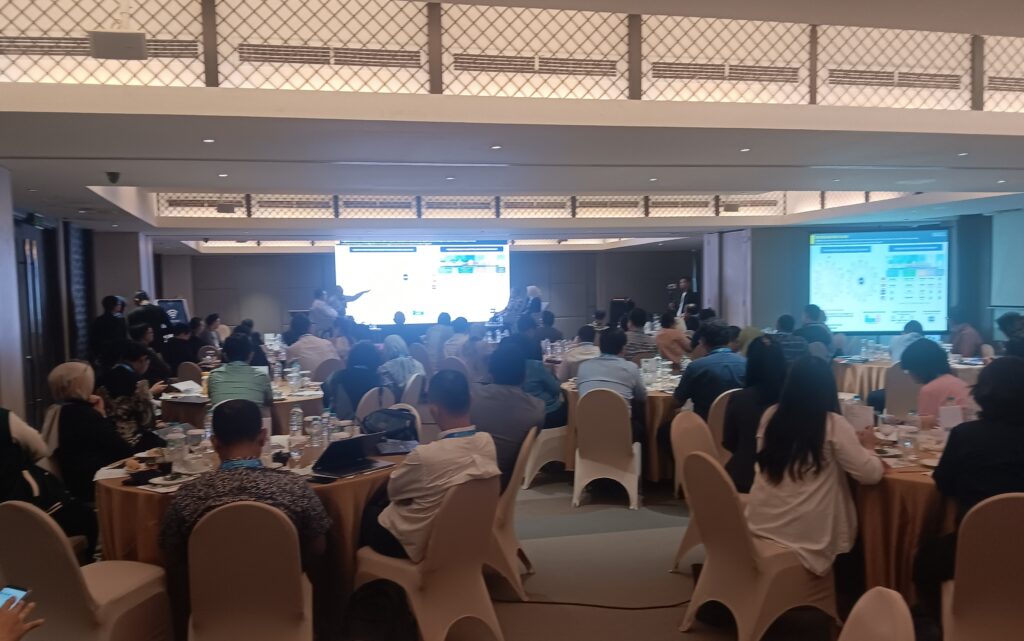
“Out of 4,000 ALFI members, 60 percent are MSMEs. Many still struggle to maximize digital systems,” he noted, calling for broader education and support to close the digital divide.
Despite these hurdles, the opportunities are vast. Industry leaders point to several advantages of digital trade infrastructure:
- Increased transparency through traceable, automated processes.
- Enhanced global competitiveness for Indonesian exporters.
- Inclusion of MSMEs into the global value chain.
- Strengthened institutional coordination through unified platforms such as the NLE.
As EDII enters its fourth decade, stakeholders agree that Indonesia’s digital trade transformation is far from complete. System integration, institutional synergy, and the cultural shift required for true digitalization remain ongoing challenges.
“This celebration is not just a milestone, it’s a reminder of the work ahead. The goal is not only to make trade fast and efficient, but also fair and sustainable,” said Urip.