
Indonesia’s shipping industry has welcomed the launch of Phinnisi, a new digital platform developed by state-owned port operator PT Pelabuhan Indonesia (Pelindo), calling it a long-awaited step toward modernizing the nation’s maritime logistics.
The platform, which aims to unify and digitalize ship services across Indonesia’s major ports, is part of Pelindo’s broader strategy to streamline operations and enhance competitiveness in Southeast Asia’s maritime sector.
The Indonesian National Shipowners’ Association (INSA), Jaya Branch, said the platform marks a critical advance in improving service performance at key hubs, especially the busy Tanjung Priok Port in Jakarta.
“Phinnisi adds significant value and reliability, especially at Tanjung Priok, the country’s busiest port,” said M. Erwin Y. Zubir, Secretary of INSA Jaya. “This is a breakthrough that strengthens service performance where it’s needed most.”
Digital Integration, Global Trends Alignment
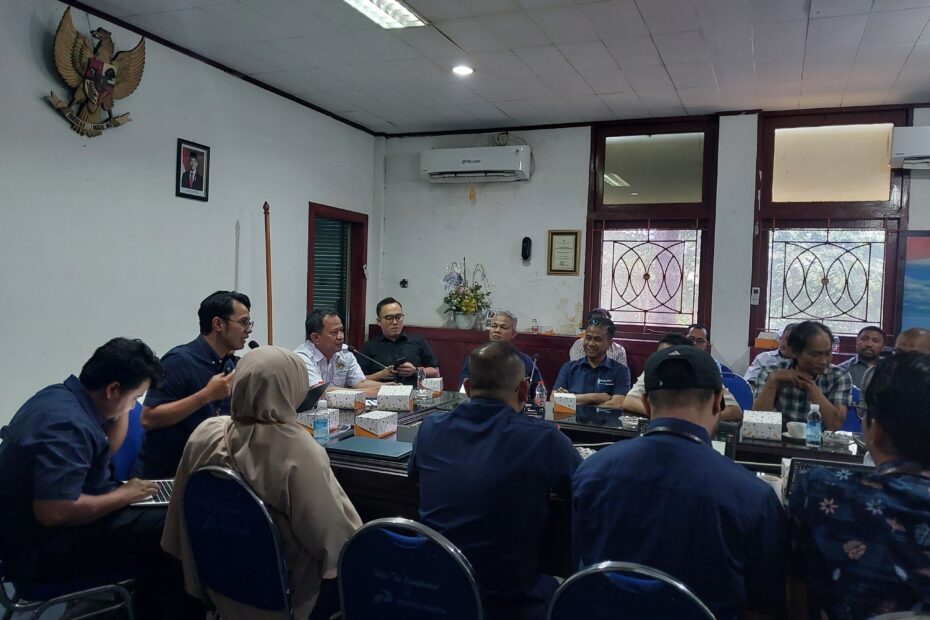
During a demonstration event on Tuesday, Pelindo conducted a live simulation of Phinnisi’s interface and capabilities, involving key stakeholders such as port operators and shipping agents. A nationwide outreach campaign to socialize the platform across the maritime sector is scheduled to begin next week.
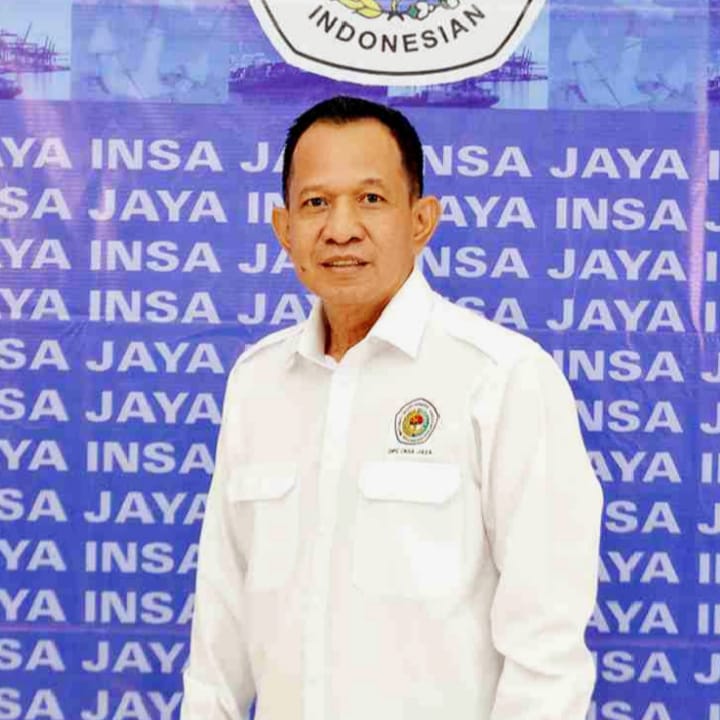
M. Erwin Y. Zubir (Erwin): “This is a breakthrough that strengthens service performance where it’s needed most.”
“Phinnisi is more than just a name borrowed from a traditional Indonesian sailing ship,” said Capt. Santoso, Pelindo’s Head of Ship Services. “It now represents the digital integration and acceleration of national maritime services.”
The system connects directly to Inaportnet, the national maritime logistics network under the Ministry of Transportation, enabling a unified, real-time flow of service requests, scheduling, billing, and reporting.
Phinnisi’s debut comes amid a wave of global digitalization in the maritime sector. From Rotterdam to Singapore, ports are adopting smart technologies to reduce congestion, lower operational costs, and improve service predictability.
“Efficiency is no longer just a buzzword — it’s something users can experience,” Capt. Santoso said. “With Phinnisi, shipping companies can monitor services in real-time and plan more accurately.”
Four Pillars of Transformation
Pelindo says the platform is built on four strategic pillars aimed at reshaping Indonesia’s maritime logistics:
- Operational Efficiency – Centralizing all ship service functions into a single digital interface
- Service Transparency – Offering real-time access to data and performance metrics
- Digital Acceleration – Embracing technology that meets international standards
- National Competitiveness – Supporting Indonesia’s ambition to become a regional maritime logistics hub
The initiative follows the 2021 merger of four state-owned port companies into a unified Pelindo, which now operates more than 100 ports across the country. Since the consolidation, digital modernization has become a cornerstone of the company’s transformation agenda.
Industry leaders hope Phinnisi will reduce the bureaucratic bottlenecks and manual processes that have long plagued port operations in Indonesia.
“Modern ports are digital ports,” said Erwin. “If Indonesia wants to compete globally, this kind of innovation isn’t just welcome, it’s essential.”