

Indonesia’s Ministry of Transportation has pledged to streamline regulations governing the country’s port sector in a bid to attract greater private investment, boost efficiency in logistics, and increase state revenues, a senior official said on Monday.
Deputy Minister of Transportation Commissioner General (Ret.) Suntana made the commitment during a national gathering of port industry stakeholders in Jakarta, organized by the Indonesian Port Business Association (ABUPI) to mark National Transportation Day 2025.
“Despite limited fiscal space, the Ministry remains committed to improving services and facilitating investment through regulatory simplification,” Suntana said in remarks delivered at the Borobudur Hotel.
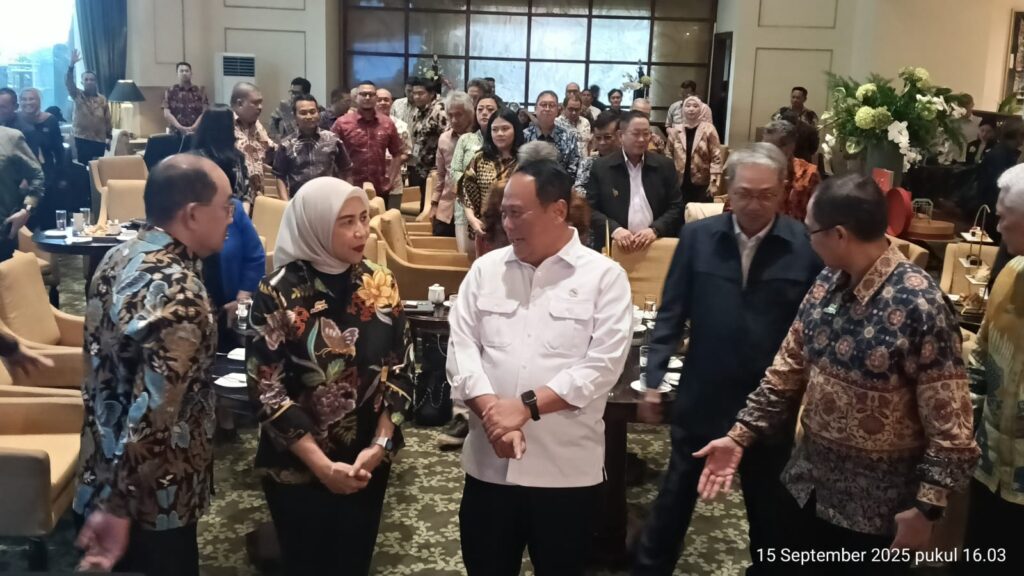
“The more straightforward the licensing process, the quicker investment flows in, and this has a direct impact on economic growth and state revenues.”
The event brought together a cross-section of the maritime sector, high rank officials from the Ministry of Transportation, the Chairman of Indonesian Stevedoring Companies Association (APBMI) Juswandi Kristanto, Chaiman of Indonesian Shipping Agencies Association (ISAA) Aries Hartoyo, ABUPI board of executives, executive boards of PERDASI (Association of Local Government Owned Companies), and other business players from related sectors.
ABUPI Chairperson Liana Trisnawati called for urgent reform in port management, citing the need to modernize infrastructure and processes to remain competitive in an increasingly digital and green global supply chain landscape.

“Transparency in regulations is essential to encourage investment and ensure our ports keep pace with international standards,” Trisnawati said.
“ABUPI is focused on five strategic pillars: enhancing collaboration with the government, improving human resource quality, digitalizing port systems, advancing green port development, and accelerating business licensing.”
She added that a Memorandum of Understanding signed at the event between ABUPI, APBMI, and ISAA marked a tangible step toward greater integration of port services.
The Deputy Minister welcomed ABUPI’s initiatives and emphasized the importance of public-private partnerships in closing infrastructure and technology gaps across Indonesia’s port network.
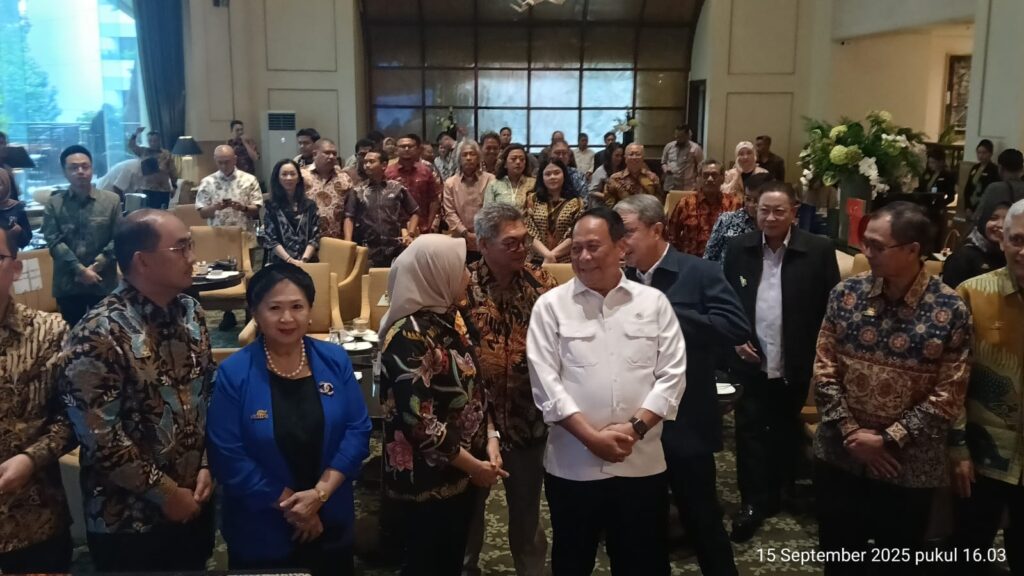
“Strong collaboration between the government and private sector is critical, especially as we aim to reduce national logistics costs from 14 percent of GDP to 8 percent,” Suntana said.
He noted that simplifying the regulatory landscape is not just a matter of cutting bureaucracy — it’s also a strategic move to improve Indonesia’s competitiveness in the ASEAN region. Faster investment, he argued, will drive higher non-tax state revenue (PNBP) and tax contributions, while supporting the broader economy.
The national gathering is expected to serve as a catalyst for deeper engagement between the government and maritime industry players as Indonesia works to build a modern, efficient, and sustainable port sector.