
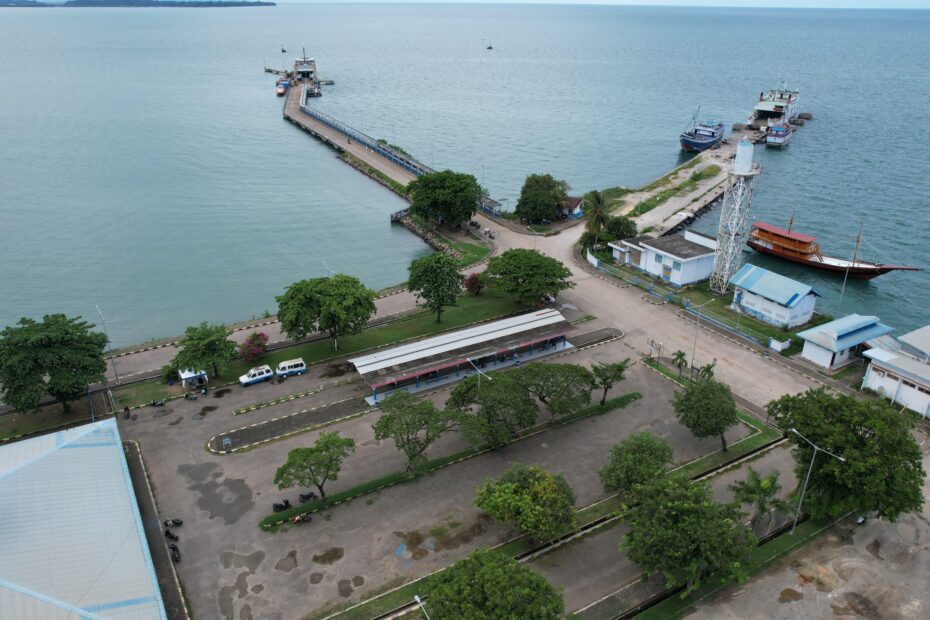
PT ASDP Indonesia Ferry (Persero) has postponed the planned diversion of ferry services from the Bajoe–Kolaka route to the Siwa–Kolaka route, citing the need to ensure operational readiness and maintain smooth services for passengers and logistics.
The diversion, initially scheduled to begin on April 10, will now take place from May 1 to June 1, the company said.
President Director Heru Widodo said the decision was taken to prioritize safety, service reliability and passenger comfort amid rising mobility following the Eid al-Fitr holiday.
“We are making this schedule adjustment carefully, taking into account technical readiness and operational conditions on the ground,” Heru said in a statement. “We want to ensure that the diversion does not disrupt ferry traffic or logistics distribution.”
The postponement comes as vehicle traffic remains high after the holiday period, particularly for logistics transport, requiring additional traffic management to avoid congestion that could affect public mobility.
From January 2025 to March 2026, Bajoe Port handled around 31,000 passengers and 62,000 vehicles, highlighting the importance of ferry services in supporting inter-regional connectivity and goods distribution.
Anom Sedayu, general manager of PT ASDP Indonesia Ferry (Persero)’s Bajoe branch, said operations on the Bajoe–Kolaka route would continue as normal during the adjustment period.
“To support smoother operations in the future, we will implement the Ferizy digital ticketing system on the Siwa–Kolaka route,” Anom said, referring to the company’s online reservation platform. “The system is expected to improve efficiency, strengthen data accuracy and provide easier, more transparent access for users.”
ASDP said it was coordinating with stakeholders to ensure the transition proceeds smoothly while maintaining ferry services that support national connectivity and logistics flows.