
PT IPC Terminal Petikemas (IPC TPK) has unveiled its strategic blueprint for 2026, positioning “Operational and Service Excellence” at the center of its five-year growth plan aimed at improving port services, enhancing logistics connectivity, and ensuring sustainable business performance.
The roadmap, spanning 2026–2030, outlines three sequential development priorities: Operational & Service Excellence, Business & Connectivity Enhancement, and Sustainable Development.
The phased approach is designed to meet rising stakeholder demands for reliable, integrated, and competitive container terminal services amid evolving global logistics challenges.
In the first phase, IPC TPK is prioritizing operational performance and service quality. The company aims to streamline loading and unloading processes, strengthen safety protocols, and deliver consistent service to shipping lines, logistics operators, and business partners.
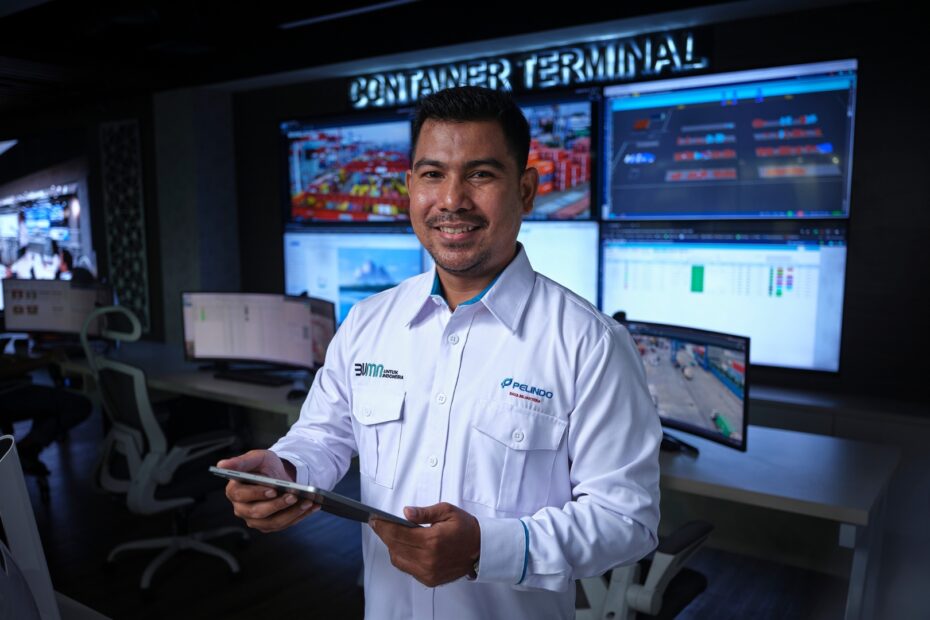
To achieve this, IPC TPK is standardizing and integrating terminal operations while accelerating digitalization initiatives launched in 2025. These measures are intended to enhance transparency, improve service speed, simplify access to information for customers, and reduce logistics costs.

Digital transformation remains a cornerstone of the plan. Key initiatives include the Terminal Booking System (TBS) to optimize vehicle flow, container scanners to reinforce security and compliance, and the Nusantara Terminal Operating System (TOS), supported by the PARAMA and PRAYA platforms. Together, these systems enable standardized, data-driven management across IPC TPK’s terminals.
Beyond operational improvements, the company is restructuring its business model to reinforce its role as a leading container terminal operator under the Pelindo Terminal Petikemas (SPTP) subholding. The move is aimed at fostering a competitive, shareholder-focused structure capable of delivering sustainable value.
Looking ahead, IPC TPK is exploring a hub-and-spoke terminal concept to strengthen inter-terminal connectivity, optimize capacity, and promote cost-efficient services. The initiative will be implemented in phases, factoring in infrastructure readiness, system capabilities, and cargo volumes.
“Strengthening operations and services is fundamental for IPC TPK to deliver maximum value to service users, the community, and shareholders, while also reinforcing the role of ports in supporting national logistics flows,” said Guna Mulyana, President Director of IPC Terminal Petikemas.
Demonstrating its commitment to continuous service, IPC TPK handled 14 vessels during the transition from 2025 to 2026, including the last seven of 2025 and the first seven of 2026, across multiple operational areas.
Through the 2026–2030 roadmap, IPC TPK aims to consistently enhance container terminal services, deepen logistics connectivity, and contribute to national economic growth and public welfare.