

Terminal Petikemas Berlian (TPK Berlian), part of PT Terminal Teluk Lamong, planted 50 trees on February 6 in its container stacking yard, under an initiative dubbed “Plant Trees to Save the Earth.”
The activity underscores the terminal’s commitment to environmental preservation amid growing pressure on ports to balance operational intensity with sustainability.
The newly planted greenery includes a mix of five fruit trees, five ornamental palm trees, 20 bougainvillea plants and 20 red-leaf shrubs, species chosen for their durability and suitability to the port’s coastal environment.
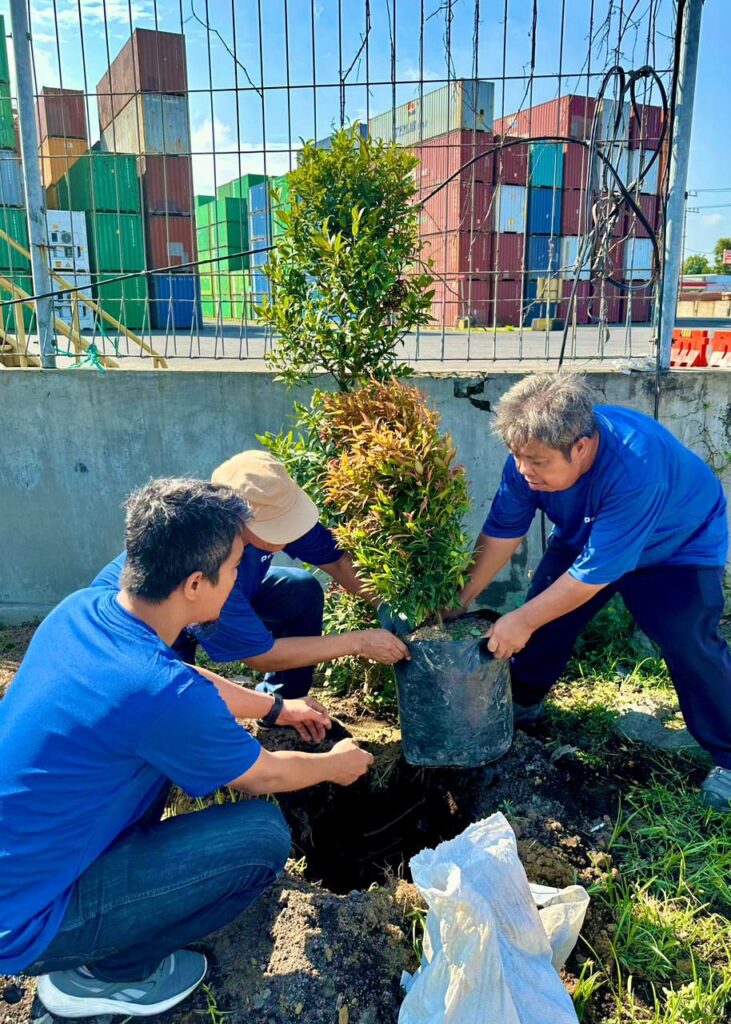
Port terminals are typically dominated by concrete, steel and heavy machinery. At TPK Berlian, management says the tree-planting effort is intended not only to soften the industrial landscape, but also to reinforce a shared sense of responsibility among employees for protecting the environment in which they work.
“This reforestation program reflects our support for Environmental, Social and Governance principles that are being accelerated across the Pelindo Group,” said Burhanuddin, Head of TPK Berlian.
“Our main focus is environmental protection, biodiversity conservation and active efforts to restore natural habitats,” he said further.
The activity forms part of a broader series of events marking Indonesia’s 2026 National Occupational Safety and Health (K3) Month, linking environmental initiatives with workplace safety and employee wellbeing.
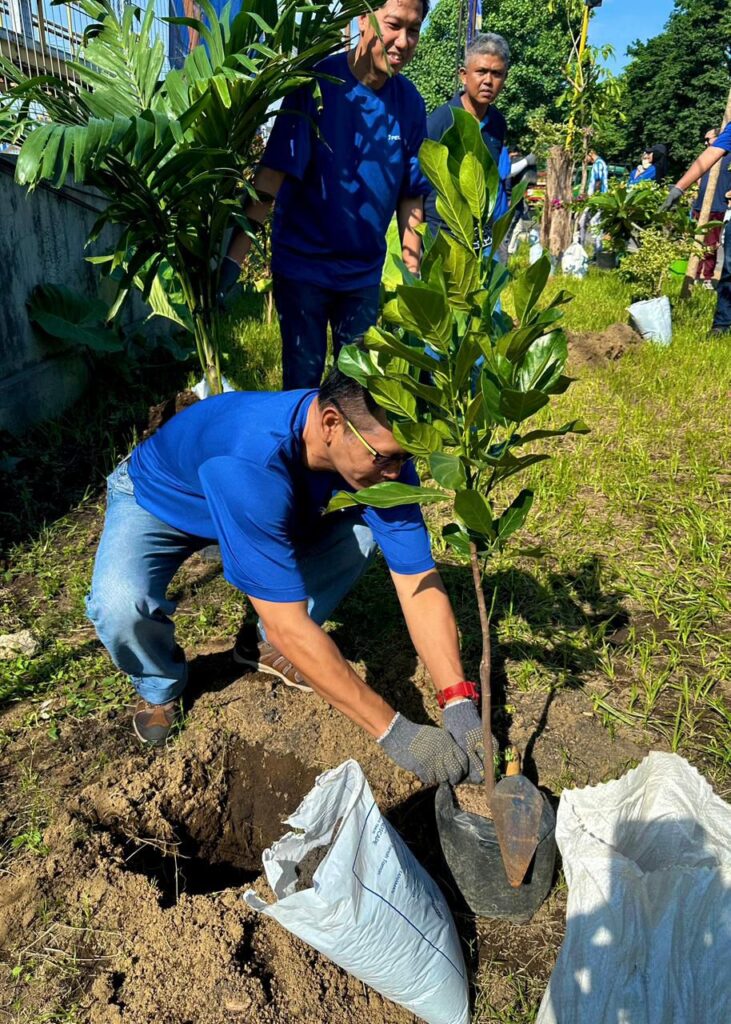
Beyond aesthetics, the company says the planting is expected to help absorb carbon emissions, filter air pollution within the port area and improve drainage, reducing the risk of flooding during heavy rains. The added greenery is also intended to improve comfort for workers and port service users operating daily in the terminal.
The initiative was carried out collaboratively across the Pelindo Group. Angga Pradiptya, Senior Vice President of Management Systems and HSSE at PT Pelindo Terminal Petikemas, said the program would not be a one-off event.
“Through this reforestation activity, we aim to create a green, safe ecosystem and work environment,” Angga said. “This is one of our priorities in supporting higher productivity, and we are committed to ensuring the program is sustainable.”