
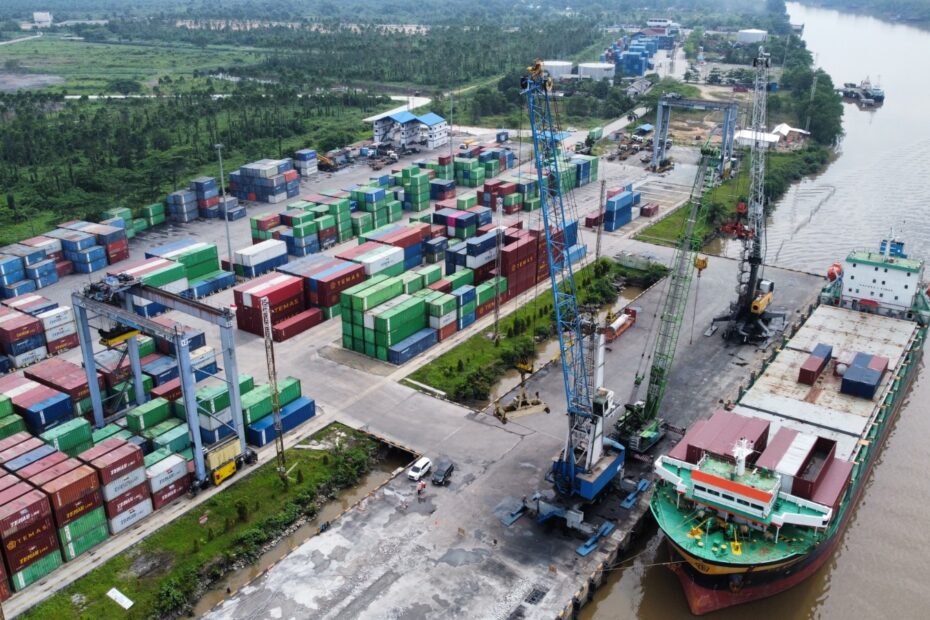
Perawang Container Terminal (TPK Perawang) recorded a 15.5% increase in container throughput in 2025, handling 150,010 twenty-foot equivalent units (TEUs), surpassing its corporate target amid rising logistics activity in Indonesia’s Riau province.
The volume exceeded the terminal’s 2025 Corporate Work Plan and Budget (RKAP) target of 131,574 TEUs and was up from 129,910 TEUs recorded in 2024, underlining steady growth in industrial and trade-related cargo flows in the region.
The increase was driven by stronger demand from manufacturing and trading companies in Riau and surrounding areas, supported by improvements in port operations, including more efficient loading and unloading processes, better ship berthing planning, and higher utilization of terminal equipment, the terminal said.
“This growth in container traffic is inseparable from efforts to strengthen operations and ensure consistency in implementing our transformation programs,” said Dida Darojat, head of TPK Perawang.
During 2025, the terminal rolled out a series of operational transformation initiatives focused on improving efficiency, strengthening governance, expanding digital systems, and developing human resources. These measures helped boost productivity and enhance service reliability, according to the terminal.
Industry representatives welcomed the performance gains. Marwan, head of the Pekanbaru–Tanjung Buton branch of the Indonesian National Shipowners’ Association (INSA), said the increase reflected stronger confidence among shipping lines.
“We appreciate the significant growth in container throughput at TPK Perawang throughout 2025. It shows the terminal management’s commitment to operational efficiency, service reliability and providing certainty for shipping companies,” Marwan said.
He added that the planned procurement of quay container cranes in 2026, along with upgrades to supporting facilities, would be critical to further improving productivity, shortening port stays and reducing logistics costs.
Looking ahead, TPK Perawang said it plans to step up productivity, optimize facilities and equipment, deepen service digitalisation and strengthen workforce capabilities in 2026. The terminal is also seeking closer cooperation with shipping lines, logistics firms and cargo owners to sustain growth.
The terminal said it remains optimistic that performance will continue to improve in line with regional economic expansion and the wider adoption of digital operating systems, including the Nusantara Terminal Operating System.