
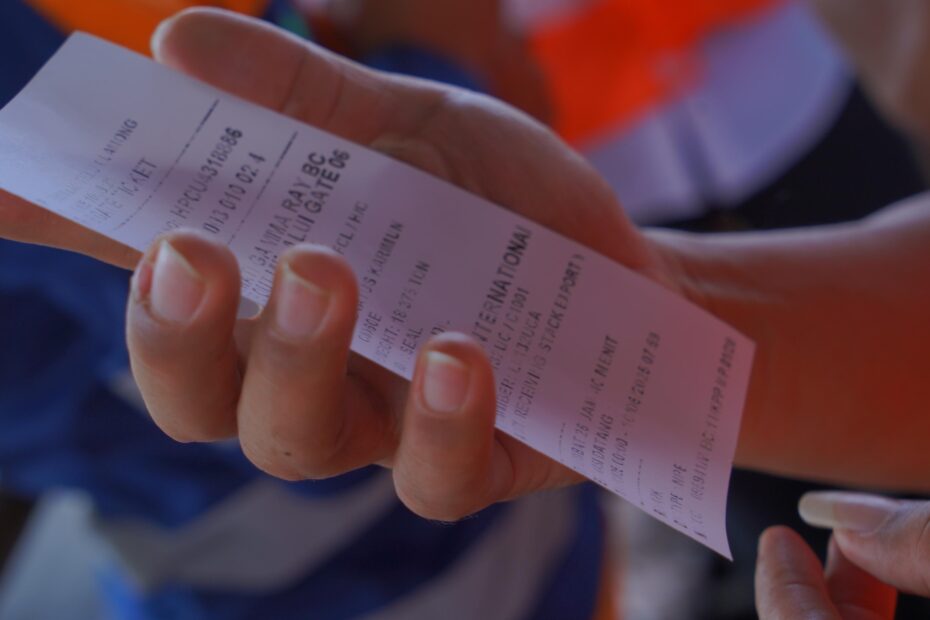
In a major step toward digital transformation and operational streamlining, PT Terminal Teluk Lamong (TTL) has officially launched its Terminal Booking System (TBS), a digital scheduling platform designed to manage truck traffic and optimize container handling at the terminal.
The launch marks TTL’s contribution to the National Corruption Prevention Strategy (Stranas PK) 2025–2026, aligning with efforts to digitalize logistics systems across the country. The TBS went live with a soft launch phase on June 11, setting the groundwork for broader adoption across the Tanjung Perak Port network later this year.
“This is a critical first step,” said Agustinus Maun, Head of the Tanjung Perak Harbor Master and Port Authority Office (KSOP).
“TTL is paving the way for the implementation of this system across all container terminals at Tanjung Perak. We’re targeting full rollout by November 2025,” he said.
TBS allows trucking companies and logistics providers to schedule container pick-ups and deliveries through an online platform, selecting from six four-hour time slots available daily. This structure is intended to eliminate the common bottlenecks that have plagued port access in the past, specifically, the overconcentration of truck arrivals during peak hours and underuse during off-peak periods.
Agustinus emphasized the role of collaboration in making TBS possible. “We appreciate the strong support from terminal operators, trucking companies, and logistics associations. Their cooperation is essential to the success of this initiative.”
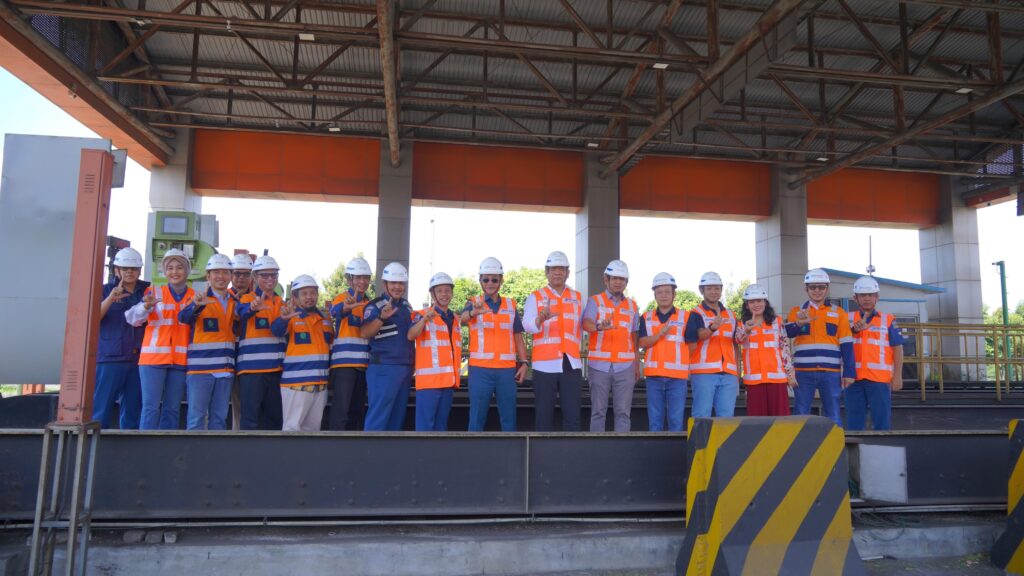
The benefits of TBS are clear: a more even distribution of truck arrivals, shorter queue times, better terminal productivity, and reduced congestion-related emissions. The system also aims to cut operational costs and fuel consumption while improving turnaround times and service quality, especially for dual move operations.
TTL President Director David Pandapotan Sirait noted that TBS reflects the terminal’s broader vision for innovation and sustainability. “Through TBS, we can manage truck flows in a more structured and predictable way,” he said. “It’s not just about efficiency—it’s about creating a smarter, more responsive terminal ecosystem that benefits all stakeholders.”
While the logistics community broadly welcomes the shift, industry voices have urged attention to implementation details. Christin Adni, Chairperson of the East Java Trucking Companies’ Club – Klub Logindo – expressed cautious optimism.
“We fully support TTL’s goal of reducing congestion and improving efficiency,” she said. “But we must ensure the technical execution is handled meticulously. Otherwise, there’s a risk of creating new inefficiencies or costs.”
Still, she remains hopeful. “This is a step in the right direction. With close coordination among all players, terminal operators, truckers, and associations—we can make this a turning point for logistics in East Java.”
As TTL moves forward with TBS, the terminal sets a benchmark for digital innovation in Indonesia’s port sector, one that balances technology, sustainability, and collaboration to build a more efficient future for national logistics.