

As Indonesia’s tug and barge shipping industry braces for a tide of new fleets threatening to outpace demand, PT Indonesia Bulk Carrier (IBC), one of national shipping companies with core service in break bulk, is betting on long-term contracts and operational discipline to stay afloat.
Founded in 2010 with just five tug-and-barge sets, the Jakarta-based company has quietly expanded its fleet to 11, transporting coal from Kalimantan and nickel from Sulawesi, two of the country’s most vital bulk commodities. But today, even seasoned operators like PT IBC are navigating choppier waters.
“The market is indeed challenging,” President Director Djoni Sutji told Indonesia Shipping Gazette.
“But we are relatively insulated. Most of our fleet is secured under long-term contracts with mining clients.”
That insulation may prove critical. A wave of new barge construction, fueled by the coal boom of 2022–2023, is now beginning to swamp the domestic shipping market.
Djoni estimates an additional 10 million tons of barge capacity is under construction, threatening to depress freight rates and squeeze players without fixed routes or cargo. “Supply is growing far beyond demand,” Djoni warned.
According to Indonesia Shipping Gazette data, break bulk freight rates drop by 10 to 15 percent in the third quarter of this year.
Djoni explained that the oversupply comes at a time when global coal demand is cooling. Countries like China and India, once reliable buyers of Indonesian coal, have reduced imports, while supply from Australia and Russia has gained traction. That shift is hitting utilization rates and thinning margins across the board.
But for IBC, there may be a silver lining. Nickel, a critical input for electric vehicle batteries, has seen a sharp uptick in global demand. And Indonesia, home to one of the world’s largest nickel reserves, is poised to benefit.
“Nickel presents a huge opportunity,” Djoni said.
“We see global trends supporting the growth of this sector for years to come, and we’re positioning ourselves accordingly.”
Measured Expansion, Focus on Utilization
While some operators rushed to expand fleets during the coal price surge, IBC has taken a more cautious approach. The company is opting to maximize utilization of existing assets and deepen ties with national mining clients, rather than gamble on speculative growth.
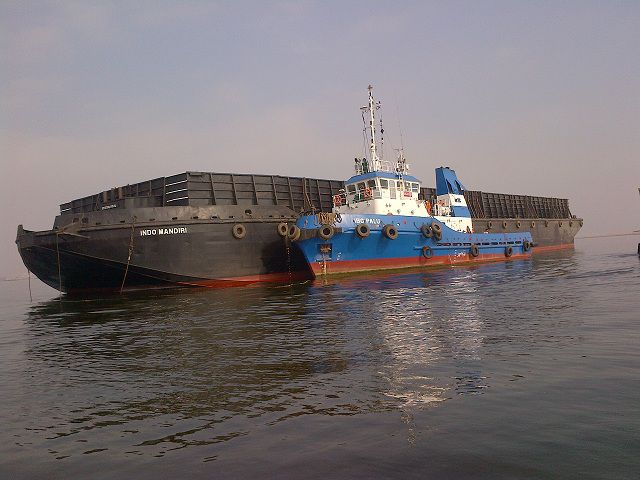
“Our focus is on maintaining high utilization and strengthening long-term relationships,” said Djoni said.
“Shipbuilding is not a short-term investment, it comes with long payback periods and serious risks.”
Looking ahead, IBC is eyeing opportunities in eastern Indonesia, where infrastructure development and resource extraction are expected to grow. Expansion plans are in motion, but they will be closely tied to real demand rather than market hype.
Government Projects: Significant Multiplier Effect
Djoni also sees potential in government-driven infrastructure development. Projects like the construction of the new capital city IKN and other National Strategic Projects (PSN) could provide new demand for barge-based shipping, especially for transporting materials to remote regions.
“These projects could have a significant multiplier effect on our sector,” he said. “We hope the government continues to push forward. That would open up entirely new markets for operators like us.”
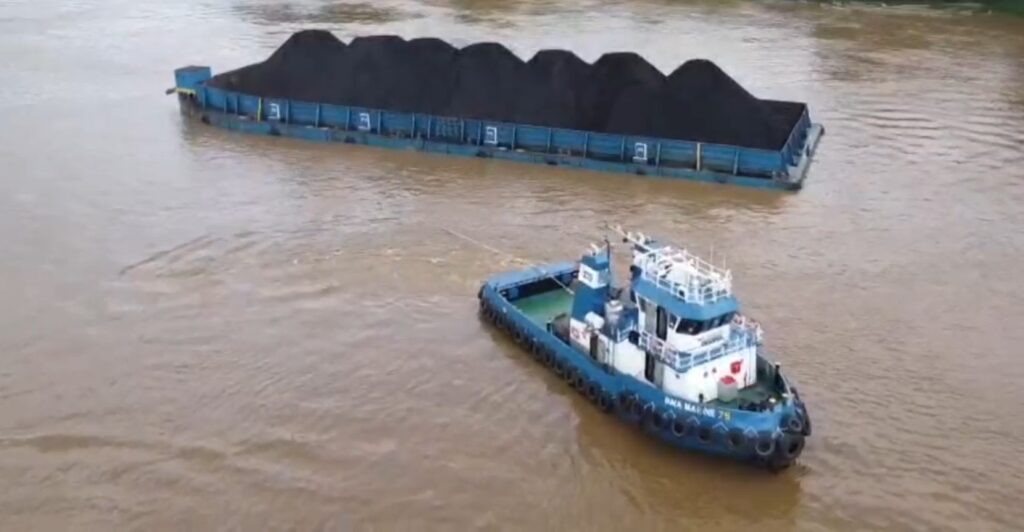
For now, IBC is sticking to a course of measured growth, underpinned by steady contracts, discipline in operations, and strategic foresight. In an industry facing turbulence, the company is banking on experience and stability over aggressive expansion.
“As long as we’re disciplined and maintain strong partnerships,” Djoni said, “we’re confident we can keep sailing steadily, even in rough seas.”