
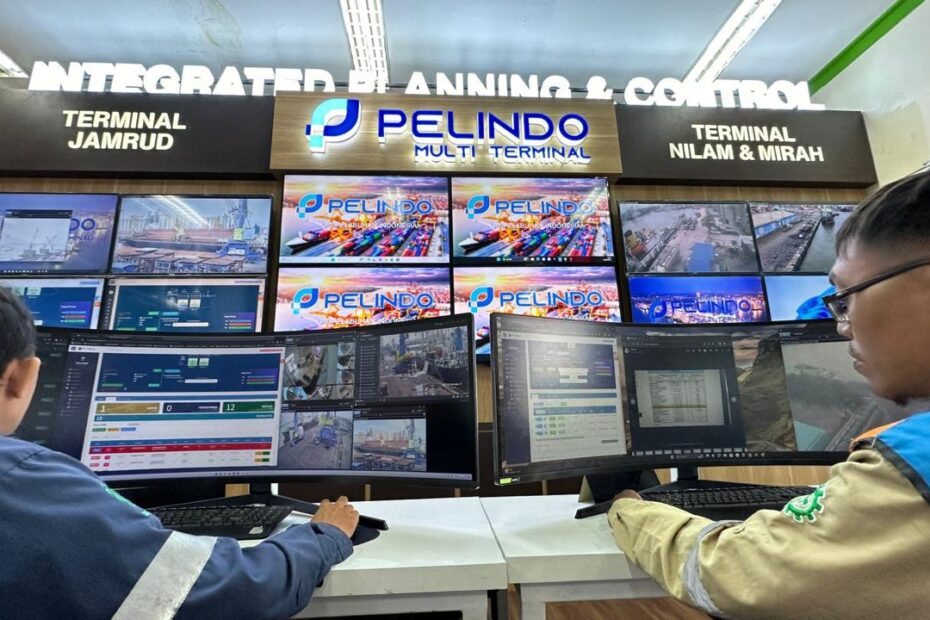
PT Pelabuhan Indonesia (Persero), through its non-container terminal subholding PT Pelindo Multi Terminal (SPMT), is accelerating the transformation of Indonesia’s ports by standardizing operations and converting multipurpose facilities into dedicated terminals, the company said.
The initiative, known as terminalization, is aimed at improving service quality, operational efficiency and reliability for port users, as Indonesia seeks to strengthen logistics connectivity and support growing industrial demand.
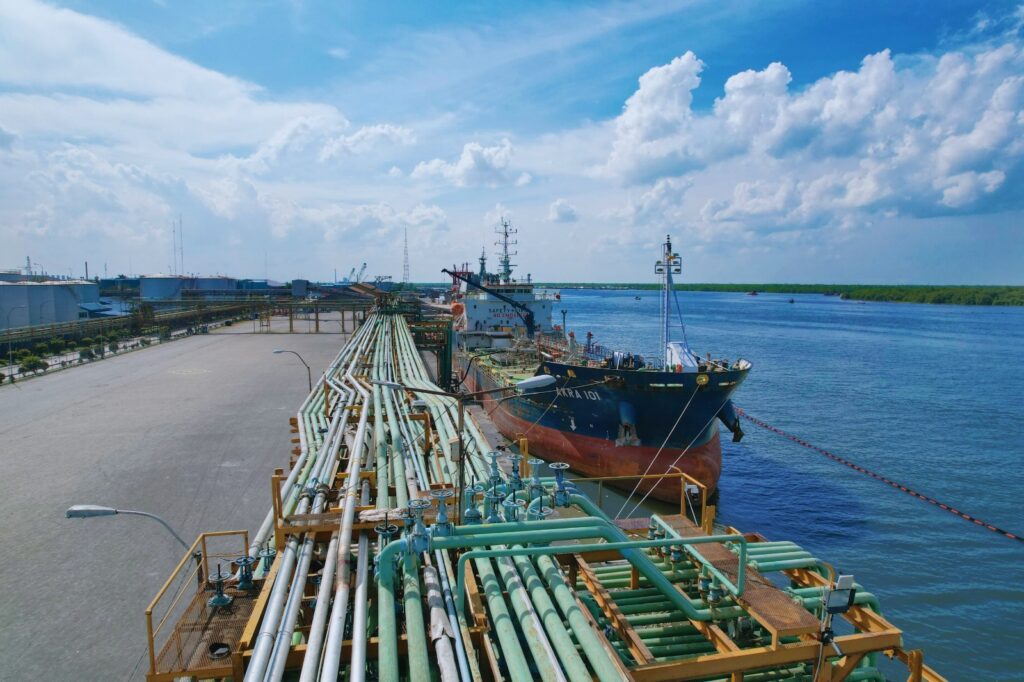
Terminalization involves upgrading general cargo terminals into dedicated facilities serving liquid bulk, dry bulk, vehicles or roll-on/roll-off (RoRo) cargo. The program is aligned with Indonesia’s Ministry of Transportation Regulation No. PM 50 of 2021 on seaport management.
“This terminalization is a key strategic initiative, especially for services that require high levels of reliability, speed, security and control,” Pelindo Multi Terminal Operations Director Arif Rusman Yulianto said.
“By improving specialization, we expect higher productivity and stronger confidence from port users.”
As part of the rollout, Pelindo Multi Terminal recently received operating permits to convert general cargo facilities into specialized bulk terminals at several locations.
These include approvals from the Kumai Class IV Harbormaster and Port Authority Office for Liquid Bulk Terminal 3 and the Dry Bulk Terminal at MTP01 in the Bumiharjo Bagendang branch.
Similar approvals were issued last November by the Class III Lembar Harbormaster for the Bosowa and Indocement mooring buoy dry bulk terminals.
Pelindo Multi Terminal has now implemented terminalization at 44 terminals across 14 branches nationwide, including Belawan, Dumai, Bengkulu, Pontianak, Panjang, Teluk Bayur, Tanjung Intan, Tanjung Emas, Gresik, Jamrud Nilam Mirah, Lembar, Trisakti, Bumiharjo Bagendang and Makassar.
The company said the transformation has already delivered measurable operational gains. As of November 2025, average port productivity rose by 21.52% in tons per ship per day, while port stay times fell by 21.28%.
“Terminalization is a central part of our broader port transformation agenda,” Arif said. “It supports the development of modern, productive and value-added port services, strengthens national logistics connectivity and enables us to respond more effectively to changing industrial needs.”