
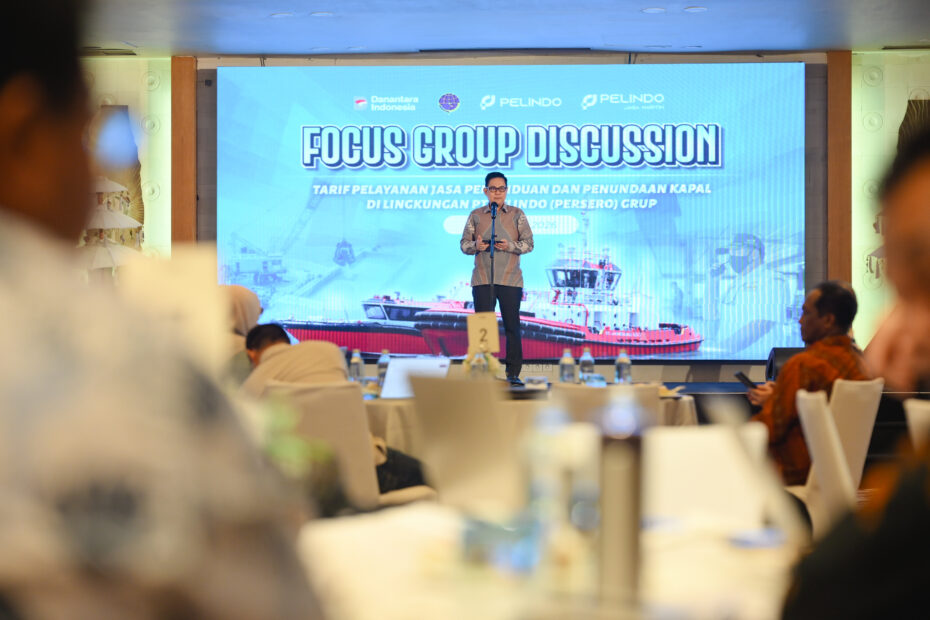
Focus group brings together regulators, port operators and users to discuss transparent pilotage and towing tariffs supporting shipping safety, logistics efficiency, investment certainty, and Indonesia’s maritime competitiveness.
PT Pelindo Jasa Maritim (PJM) said it is promoting a transparent, competitive and sustainable tariff framework for pilotage and towing services through closer collaboration with regulators, port operators and service users.
The state-owned maritime services provider held a focus group discussion (FGD) in Bali on June 18 to discuss procedures and pricing mechanisms for pilotage and towing services amid evolving operational, regulatory and investment requirements across Indonesia’s maritime sector.
The forum was attended by representatives from the Directorate General of Sea Transportation at the Ministry of Transportation, PT Pelabuhan Indonesia (Persero), Pelindo regional offices and PJM Group.
Suhendra Ratuprawiranegara, Director of Strategy and Commercial Affairs at PT Pelindo Jasa Maritim, said pilotage and towing services are essential for ensuring safe vessel movements, efficient port operations and reliable logistics flows.
“Pilotage and towing services are not merely operational port services but a critical component of shipping safety, logistics efficiency and the competitiveness of Indonesia’s ports,” Suhendra said. “The tariff system must support service improvements while providing investment sustainability and certainty for all stakeholders.”
He said increasing demands for higher service standards, shipping safety, regulatory compliance and infrastructure investment require tariffs to be managed transparently, professionally and fairly.
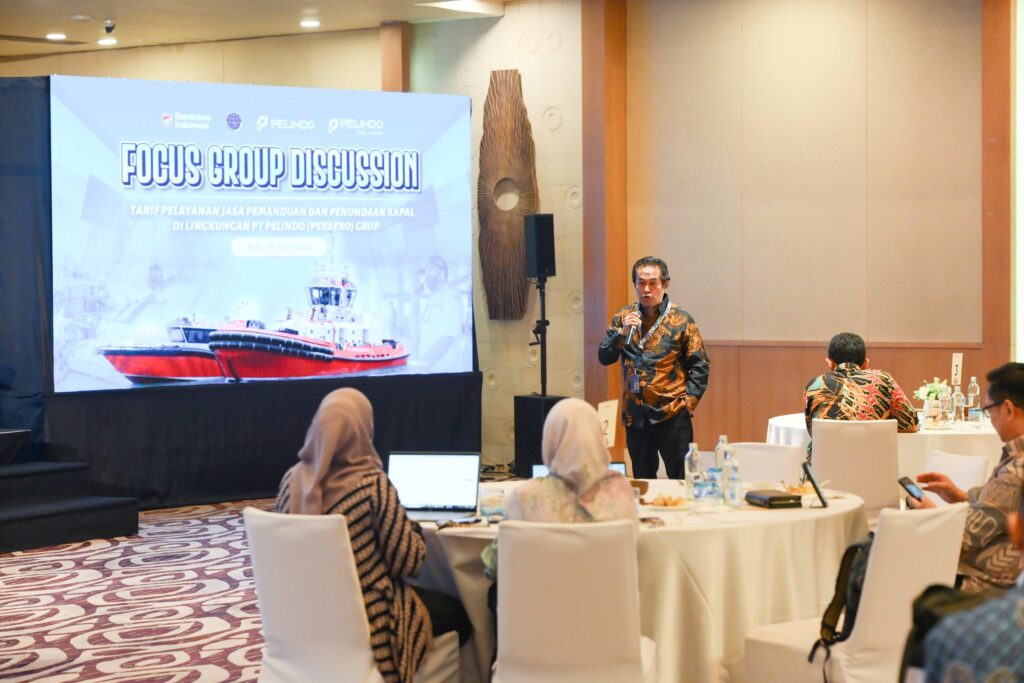
According to Suhendra, changes in regulations and government policies also provide opportunities for port business entities to improve service quality through tariff mechanisms that consider operating costs, investment needs, service levels and user feedback.
The discussion aimed to improve stakeholders’ understanding of tariff regulations, align perspectives between regulators, operators and service users, and identify opportunities to enhance the tariff-setting and adjustment process.
PJM said it expects the consultation to help formulate a tariff policy that supports investment sustainability, improves service quality and shipping safety, strengthens logistics efficiency and enhances the competitiveness of Indonesia’s maritime sector.
The company said continued collaboration among regulators, port operators and service users would be essential to developing an adaptive and transparent pricing mechanism capable of supporting long-term growth in the national maritime industry.