

Leaders from Indonesia’s port industry and a global anti-corruption coalition gathered this week to seal what they described as a shared commitment to clean up one of Southeast Asia’s busiest maritime corridors.
The Indonesian Port Business Association, known as ABUPI, signed a memorandum of understanding with the Copenhagen-based Maritime Anti-Corruption Network (MACN), marking a push to embed integrity standards more deeply across the country’s sprawling port sector.
The agreement was signed in the presence of MACN Chief Partnership Officer Martin Benderson, regional lead Martin Stene and senior adviser Rizal Hadi, alongside members of ABUPI’s central and regional boards. But beyond the ceremony, industry leaders framed the pact as a practical response to mounting global scrutiny over governance, transparency and supply-chain reliability.
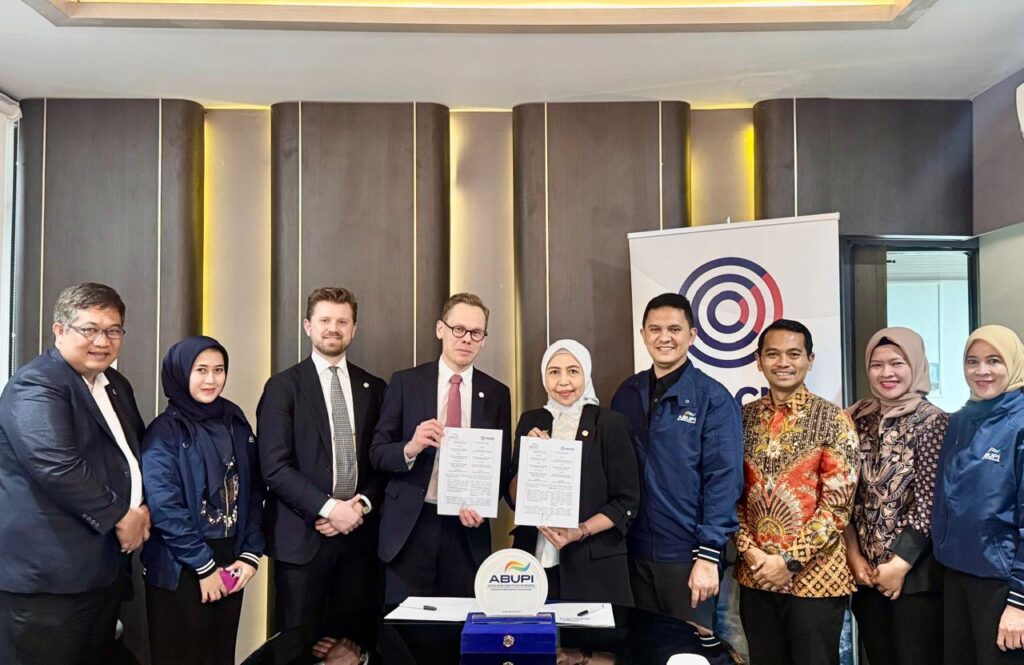
“Without integrity, there is no trust. And without trust, there is no sustainable growth,” said Liana Trisnawati, chairwoman of ABUPI (Asosiasi Badan Usaha Pelabuhan Indonesia), underscoring the commercial stakes for a country that sits astride some of the world’s busiest shipping lanes.
Martin Benderson called the accord a milestone in collective efforts to strengthen transparency in Indonesia’s maritime sector, saying it would help align public and private actors around common standards.
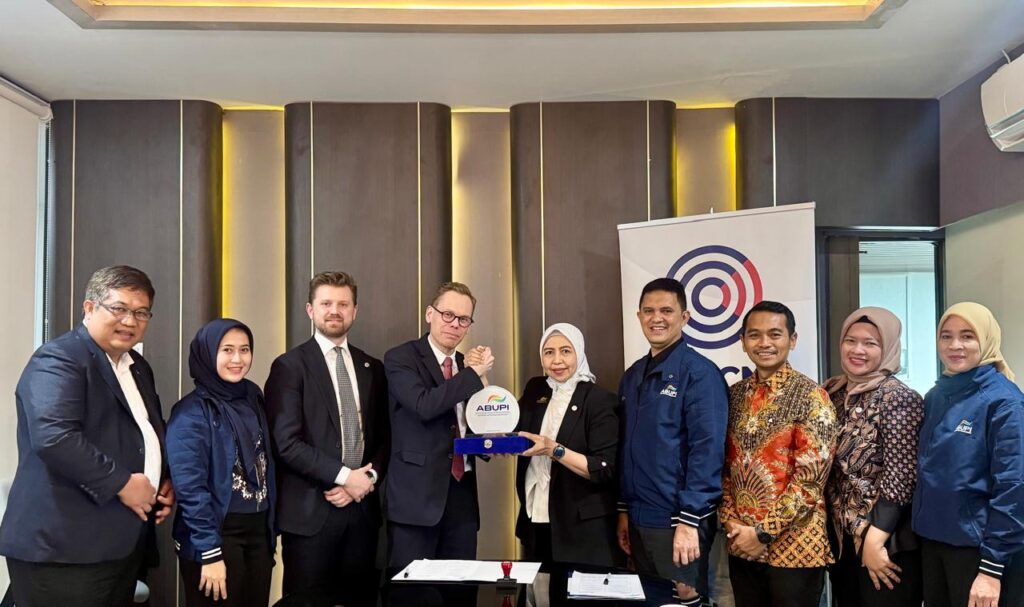
“This MoU represents a significant milestone in our collective efforts to enhance integrity and foster a transparent business environment that benefits all stakeholders,” he said.
Under the agreement, the two sides will promote anti-corruption awareness, training and education, while encouraging closer cooperation between government authorities and port operators.
For Indonesia, whose ports serve as critical gateways for trade and investment, the partnership signals a broader ambition: to build a port industry that is not only efficient, but globally competitive and trusted.