
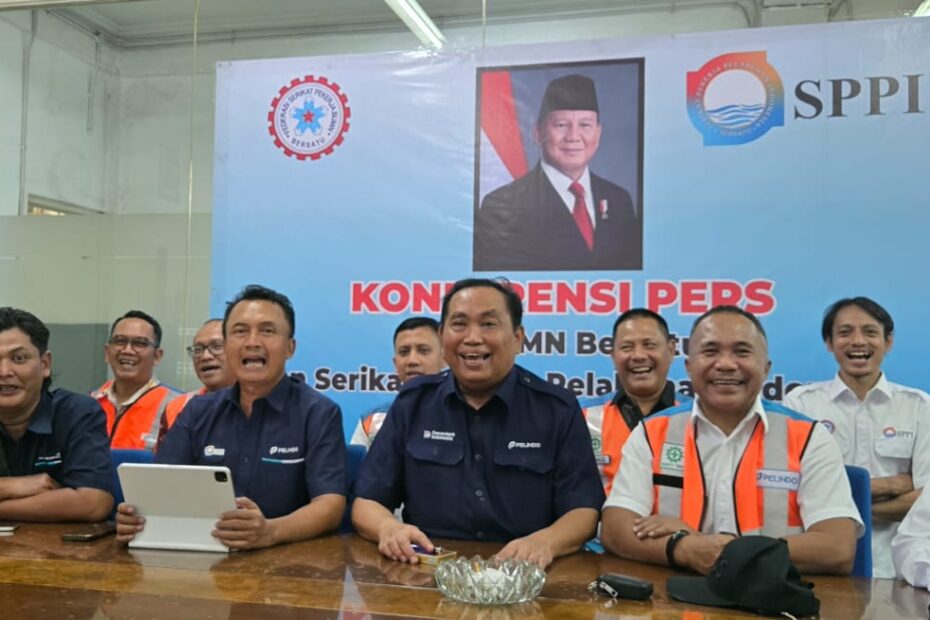
Indonesian port workers are preparing to optimize operations to minimize potential disruptions from escalating geopolitical tensions in the Middle East, amid concerns over global trade stability and energy prices.
The Federation of State-Owned Enterprises Workers Unions – Federasi Serikat Pekerja BUMN Bersatu – warned that rising conflicts involving Iran, the United States, and Israel could affect logistics and port operations managed by PT Pelabuhan Indonesia (Pelindo).
Djusman Hi Umar, chair of the union, said in a press conference at the SPPI Tanjung Priuk secretariat in North Jakarta that the situation could have “broad implications for global trade stability,” urging port sector stakeholders to monitor developments closely.
“The geopolitical conflict in the Middle East has broad implications for global trade stability. All stakeholders in the port sector need to take this seriously,” Djusman said.
Potential Impact on Energy Prices and Logistics
Gatot Sugiyana, secretary general of the union federation, highlighted that disruptions in the Strait of Hormuz, a critical shipping route, could lead to a spike in global oil prices, potentially reaching US$100 per barrel.
“Disruptions to shipping lanes in the Middle East could increase global oil prices, which would impact operational costs for international shipping,” Gatot said.
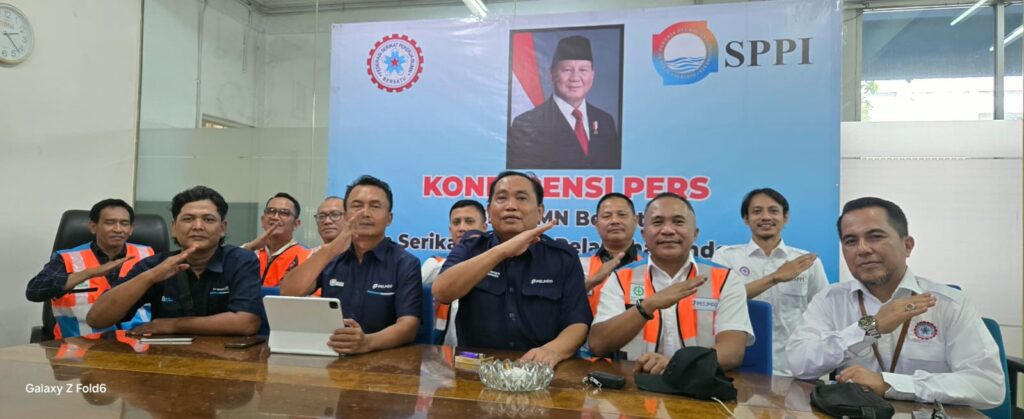
He added that higher shipping costs could ripple through global logistics, affecting loading and unloading activities at Indonesian ports, particularly those handling imports and exports.
Global shipping companies have reportedly started adjusting routes to avoid conflict zones, which may cause delays, congestion, and changes in port terminal operations managed by Pelindo.
Optimizing Port Operations
Dodi Nurdiana, general chairperson of the Pelindo Port Workers Union (SPPI), emphasized the importance of optimizing port operations to maintain national logistics stability.
“Increasing efficiency in ship and cargo services, and reducing ship waiting times, are crucial to maintaining the competitiveness of Indonesia’s logistics sector amid global uncertainty,” Dodi said.
He noted that domestic trade remains relatively stable but warned that fluctuations in energy prices, inflationary pressures, and global supply chain disruptions could affect container flows and operational efficiency at Indonesian ports.
Calls for Professionalism and Preparedness
The union urged all Pelindo workers to maintain professionalism, solidarity, and commitment to ensure smooth port operations and support the national economy.
The appeal also emphasized preparedness for the Eid al-Fitr homecoming period, ensuring public mobility and safe, orderly, and humane services at ports across Indonesia.
“The availability of basic necessities, fuel, and other strategic goods must be a shared priority to maintain national economic stability,” Dodi said.
The unions expressed support for government initiatives, including President Prabowo Subianto’s efforts to strengthen national logistics through port transformation, digitalization, and efficiency improvements aimed at reducing costs.
The federation concluded that with collective effort and professionalism, Indonesia’s port sector can maintain logistics stability despite global uncertainties.