
Indonesia’s National Importers Association (GINSI) has expressed support for the government’s policies to safeguard the country’s upstream textile industry, calling for calm and constructive dialogue amid recent public debate over import regulations.
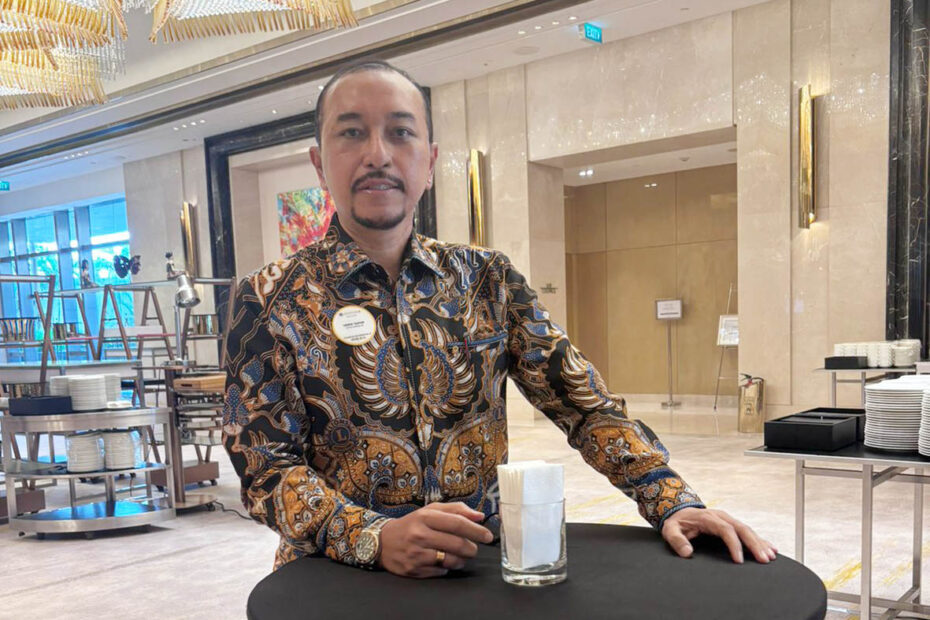
Erwin Taufan, Deputy Chairman of GINSI’s Executive Board, said on Sunday that import activities, particularly those involving raw and auxiliary materials, are a normal and essential part of industrial operations.
“In practice, the government has long balanced the interests of both producer-importers and general importers,” Taufan said in a press statement.
“This is in line with President Prabowo’s Asta Cita program for national economic development.”
He pointed to long-standing protections granted to the upstream textile sector, including the imposition of anti-dumping duties and safeguard measures (Bea Masuk Antidumping/BMAD and BPTP), as evidence of the government’s commitment.
Taufan criticized what he called “unnecessary noise” from certain parties who he claimed failed to acknowledge the efforts already undertaken by authorities to protect local industry.
“We should not sow confusion. Instead, we must appreciate the consistent steps the government has taken to support the sector,” he said.
He added that improving the investment climate in the textile industry requires better coordination, collaboration, and constructive input from industry associations. These elements, he said, are crucial to strengthening the national economy and responding to increasingly complex global challenges.
According to GINSI, the government’s measures, —particularly those implemented by the Ministry of Trade, the Ministry of Industry, and the Directorate General of Customs and Excise, have had a positive impact on importers this year, particularly in supporting the supply of goods to domestic markets and small-to-medium enterprises.
Taufan noted that protection for domestic industries operating outside bonded zones had already yielded results, with the textile sector recording growth above 4% in the first and second quarters of 2025.
He emphasized that goods imported through bonded zones are exempt from certain licensing requirements, such as import approvals or recommendations, especially if destined for export.
GINSI’s statement comes amid growing scrutiny of Indonesia’s import practices, with some stakeholders raising concerns about their impact on local producers. Taufan said the association aims to provide clarification and prevent the spread of misleading narratives.
“We urge all parties to avoid delivering inaccurate or inflammatory messages that misrepresent the reality on the ground,” he said. “GINSI is committed to supporting government policy. While we have our own organizational interests, we always prioritize the broader national and public interest.”