
Problems linked to the MyPertamina QR code system for purchasing subsidised biodiesel are disrupting freight transport operations and threatening the smooth flow of Indonesia’s national logistics distribution, the country’s trucking association said on Monday.
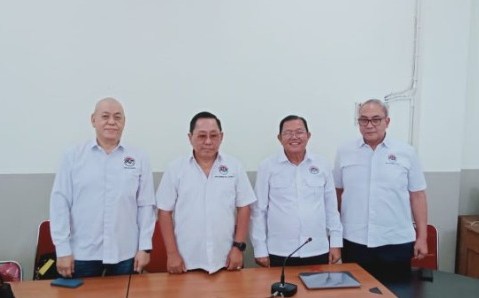
The Central Executive Board of the Indonesian Trucking Association (Aptrindo) raised the concerns after a second meeting with management of PT Pertamina Patra Niaga, attended by regional representatives from across the country, at the company’s Jakarta office.
The wide regional participation underscored the scale of concern among freight operators over the policy, which requires trucks to use QR codes to access subsidised Bio-Solar fuel.
“This issue has a broad and significant national impact and must be handled in a comprehensive and coordinated way to safeguard logistics distribution and the sustainability of the trucking industry,” Aptrindo chairman Gemilang Tarigan told a press conference.
Thousands of trucks grounded
Gemilang said the sudden and large-scale blocking of MyPertamina QR codes had left thousands of trucks unable to refuel, forcing vehicles off the road and causing financial losses for operators and drivers.
More worrying, he added, was the lengthy and uncertain process to reactivate blocked codes.
“Reapplication can take between seven and 14 days, and in many cases there is no clear timeline at all,” Gemilang said. “During that period, vehicles cannot operate, while costs and obligations continue to accumulate.”
According to Aptrindo, complaints have emerged from industrial zones, ports and key inter-regional transport routes, suggesting the problem is widespread and no longer a technical issue but a systemic one.
Limited complaints mechanism criticised
Gemilang criticised what he described as a mismatch between the scale of the policy and the readiness of the support system.
Despite being a nationwide policy, he said, the QR code programme relies on a single complaints channel — Pertamina’s Call Center 135 — with no emergency field services, no physical helpdesks in major logistics hubs, no priority access for freight vehicles and no guaranteed deadline for resolving complaints.
“This has created a strong perception that when the system fails, the entire burden is shifted to entrepreneurs and drivers,” he said.
Clash with logistics reform goals
Aptrindo said the disruption runs counter to government efforts to lower national logistics costs and undermines Indonesia’s push towards a Zero Over Dimension and Over Loading (ODOL) transport system.
Restricted access to subsidised fuel, Gemilang said, increases costs and operational risks, weakening support for broader governance reforms in the trucking sector.
The impact is compounded by routine restrictions on freight vehicle operations during major holidays such as Eid al-Fitr and the Christmas–New Year period, which already reduce effective working days and revenues.
“Even after official restrictions end, many trucks remain unable to operate because they cannot refuel,” Gemilang said. “This extends shutdowns beyond government policy timelines.”
He warned that the combined pressures could hit small and medium-sized trucking firms hardest and trigger knock-on effects across the national supply chain.
Call for government intervention
Aptrindo has urged President Prabowo Subianto and the Minister of Energy and Mineral Resources to intervene and assess the broader impact of the policy on logistics continuity.
“Without swift and concrete corrective measures, this problem will continue to disrupt logistics flows, push up goods prices and ultimately harm the public,” Gemilang said.
He stressed that Aptrindo’s position was not confrontational but aimed at ensuring the state protects productive businesses, maintains logistics stability and provides legal certainty for trucking entrepreneurs and drivers nationwide.